As the 2026 MLB trade deadline draws closer, the New York Yankees are expected to be among the league’s most aggressive buyers. One of their biggest priorities is expected to be strengthening the bullpen, and few relievers on the market are as intriguing as All-Star closer Mason Miller. However, despite the Yankees’ interest, one MLB insider believes the Seattle Mariners are in a much stronger position to win the bidding war.
The Yankees have long been connected to elite bullpen arms before the trade deadline, and this season is no different. General manager Brian Cashman is widely expected to pursue upgrades that could improve New York’s chances of making another deep postseason run. While adding bullpen depth has become an annual objective, landing Miller would represent far more than a routine deadline acquisition.
Miller has established himself as one of baseball’s premier relief pitchers. Armed with overpowering velocity and dominant stuff, the 27-year-old has become one of the game’s most feared late-inning weapons. His addition would immediately transform any bullpen, giving a contender one of the most reliable closers in baseball while allowing the rest of the relief corps to shift into more comfortable roles.
For the Yankees, acquiring Miller could significantly improve their outlook heading into October. A dominant closer often becomes even more valuable during the postseason, where tight, low-scoring games are common. Having Miller available for the ninth inning would strengthen New York’s bullpen from top to bottom and provide manager Aaron Boone with greater flexibility in high-pressure situations.
Despite those benefits, completing such a trade may prove difficult.
According to New York Post MLB insider Joel Sherman, the Yankees are expected to make a serious push for Miller before the deadline. However, Sherman believes the Mariners possess a decisive advantage because of the organization’s extraordinary pitching depth.
Seattle has built one of the strongest collections of starting pitching in Major League Baseball. Not only do the Mariners have several established starters already contributing at the major league level, but they also possess a pipeline of highly regarded young arms capable of reaching the majors in the near future.
That surplus gives Seattle a unique advantage in trade discussions. Rather than relying solely on prospects who may still be years away from contributing, the Mariners can offer pitchers who are already proven in the majors or are nearly ready to make an immediate impact.
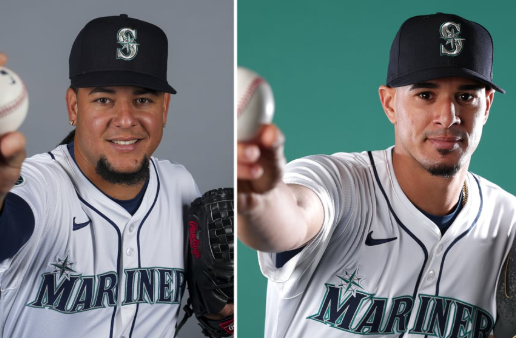
Sherman pointed to Seattle’s impressive rotation depth, noting that the organization could potentially begin trade discussions by offering one of its established starters. Pitchers such as Logan Gilbert, George Kirby, Emerson Hancock, or Bryce Miller could headline a package, depending on what the other club is seeking.
Beyond those established names, Seattle also has highly regarded pitching prospect Kade Anderson, who is viewed by many evaluators as one of baseball’s top young arms. Additional prospects like Logan Evans and Ryan Sloan further strengthen the organization’s pitching pipeline.
With so many quality arms available, the Mariners can afford to build an attractive trade proposal without significantly weakening their long-term outlook. That type of flexibility is something very few organizations currently possess.
The Yankees, on the other hand, face a much different situation.
While New York continues to maintain a respected farm system, one prospect stands above the rest: shortstop George Lombard Jr. The talented 21-year-old is widely viewed as the organization’s top young player and one of the brightest prospects in baseball.
However, recent reports suggest the Yankees are unwilling to include Lombard in trade negotiations. According to The Athletic, the organization considers him essentially untouchable despite the pressure to improve the major league roster before the deadline.
That decision makes sense from New York’s perspective. Lombard is viewed as a cornerstone player capable of becoming an important part of the franchise’s future. Teams rarely part with prospects carrying that level of long-term potential unless they are receiving a transformational player in return.
Still, refusing to include their best prospect creates limitations during negotiations.
Without Lombard available, the Yankees must rely on other prospects and young players to construct a competitive offer. While they certainly possess talented minor leaguers, rival teams may ultimately prefer packages featuring pitchers who can contribute almost immediately at the major league level.
That is where Seattle appears to separate itself.
Pitching remains one of the most valuable commodities in baseball, particularly controllable starting pitching. Organizations constantly search for young starters who can fill rotation spots for years while remaining under team control.
If the Mariners are willing to include one or more established starters alongside additional prospects, their proposal may simply be more attractive than anything New York can realistically assemble.
The situation also depends on what the selling club values most.
If the team trading Miller prioritizes immediate major league help while also maintaining future flexibility, Seattle’s collection of major league-ready pitching could prove difficult to match. Rather than waiting years for prospects to develop, they could receive players capable of contributing almost immediately.
That combination of present value and future upside often carries tremendous weight during deadline negotiations.
The Yankees certainly remain capable of making a compelling offer, particularly given Cashman’s history of creativity at the trade deadline. New York has consistently explored blockbuster deals over the years and is rarely afraid to engage in high-profile discussions when impact players become available.
Nevertheless, even aggressive negotiations cannot overcome differences in organizational depth.
Seattle’s ability to offer multiple attractive pitching options provides leverage that few contenders can match. Instead of centering a deal around one elite prospect, the Mariners can construct several different trade packages depending on what the opposing front office prefers.
That versatility could ultimately prove decisive if the bidding for Miller intensifies over the coming days.
As the deadline approaches, both clubs remain logical destinations for one of baseball’s elite relievers. The Yankees desperately want another dominant bullpen arm for their postseason push, while the Mariners continue searching for ways to maximize their championship window.
Whether New York can overcome Seattle’s apparent advantage remains to be seen. But if the Yankees continue to keep George Lombard Jr. off the table while the Mariners remain willing to leverage their exceptional pitching depth, Seattle may indeed have the strongest path toward landing Mason Miller before the trade deadline arrives.