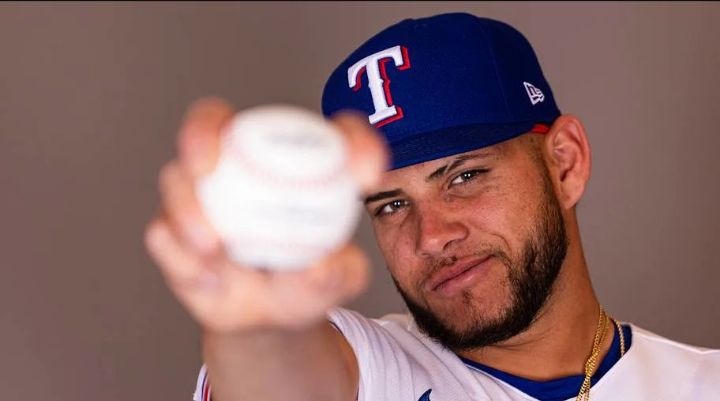
Cody Bradford is giving the Texas Rangers plenty of reasons to feel optimistic about his return to the mound. The left-handed pitcher delivered another encouraging performance Tuesday night at Angel Stadium, turning in seven strong innings despite Texas ultimately falling 3-2 to the Los Angeles Angels.
For Bradford, the outing represented another important step in his comeback. It was only his second start since September 2024 after a lengthy absence that kept him out for the entirety of the 2025 season. After spending so much time away from competitive baseball, Bradford’s ability to work seven innings efficiently was particularly impressive.
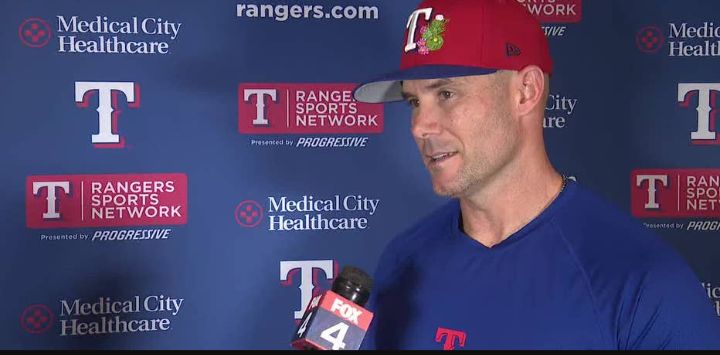
Rangers manager Skip Schumaker had already indicated before the game that Bradford would not be subjected to an especially strict pitch limit. Schumaker described the 28-year-old pitcher as “a large part of our future” and explained that the organization wanted to allow him some flexibility while he continued rebuilding his workload.
Bradford ultimately needed just 75 pitches to complete seven innings. That efficiency put him in rare company in Rangers history. Since pitch tracking began in 1988, he became only the third Texas pitcher to record at least seven innings while throwing 75 pitches or fewer. Andrew Heaney accomplished the feat in 2024, while Mike Jeffcoat did it in 1989.
Schumaker was highly complimentary of Bradford after the game, praising both his execution and his ability to adjust throughout the night. The manager pointed to Bradford’s changeup as one of his biggest weapons, particularly because it worked effectively alongside his fastball.
Bradford also demonstrated an impressive understanding of how to attack the Angels’ hitters. He mixed his pitches carefully, used his curveball when necessary and elevated his fastball in key situations. Schumaker also noticed Bradford studying between innings and making adjustments to avoid becoming predictable.
That ability to make changes on the fly was particularly important because Bradford’s arsenal is not built around overpowering velocity. Instead, he depends on deception, movement, pitch separation and excellent extension to make life difficult for opposing hitters.
Bradford threw 33 fastballs and 27 changeups during the outing, making the two pitches the foundation of his approach. His changeup averaged approximately 81.1 mph, while his fastest fastball reached only 89.8 mph.
Rather than relying on pure speed, Bradford uses the difference between his fastball and changeup to disrupt hitters’ timing. The changeup can be thrown to both right-handed and left-handed hitters, and Bradford is comfortable throwing it repeatedly when he believes the pitch is working.
Schumaker emphasized how difficult that approach can be for hitters to anticipate. Because Bradford’s changeup has significant depth and works well through the same tunnel as his fastball, opposing batters can struggle to identify the pitch early enough to make solid contact.
The performance is particularly meaningful because Bradford endured a 679-day gap between appearances while recovering from internal brace surgery. He underwent the procedure last June and spent a significant amount of time working his way back to full strength.
Now, the Rangers are hoping he can rediscover the form he showed during his promising 2024 campaign. That season, Bradford posted a 3.54 ERA across 14 appearances, including 13 starts. If he can approach that level again, his return could become extremely important for Texas.
The Rangers recently placed veteran right-hander Nathan Eovaldi on the injured list, creating another challenge for the pitching staff. Bradford’s emergence could therefore provide valuable stability at a time when the club needs dependable innings from its rotation.
Corey Seager also expressed his excitement about seeing Bradford perform so well after such a difficult road back. Seager noted that succeeding after an extended and demanding recovery is impressive under any circumstances, making Bradford’s latest outing even more encouraging.
Despite his success, Bradford admitted afterward that he is still working through some mechanical issues. Physically, he said he felt good, but he acknowledged that he continues to battle himself as he attempts to regain complete confidence and consistency in his mechanics.
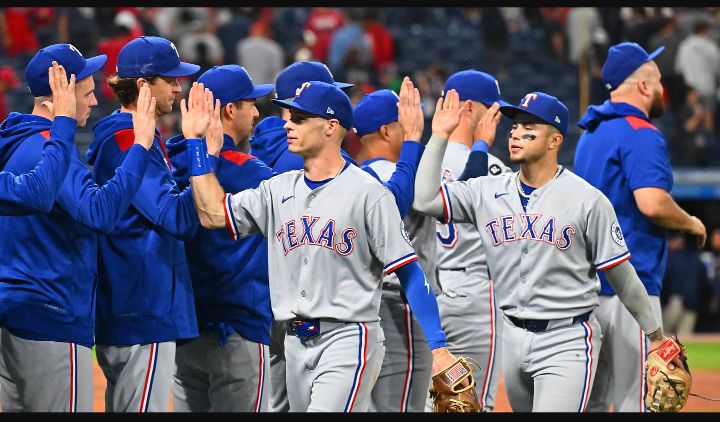
Even so, the seven-inning effort was extremely valuable for Texas. The Rangers are currently navigating a demanding stretch of 10 games in 10 days, making every inning provided by a starting pitcher especially important.
Bradford’s ability to remain in the game for seven innings also helped protect a bullpen that had already been heavily used during the previous night’s long contest. From that perspective, his performance gave the Rangers exactly what they needed from their starting pitcher, even though the offense ultimately failed to deliver the victory.
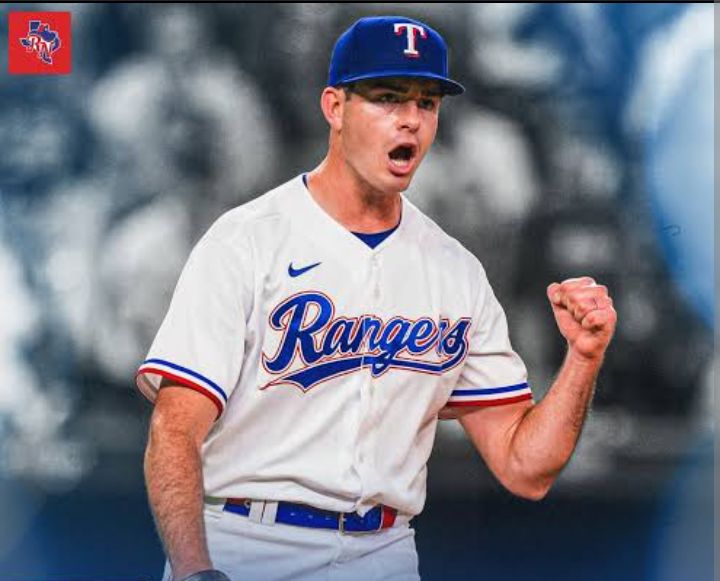
Texas initially appeared capable of generating momentum after Joc Pederson launched a home run on the third pitch of the game. The blast was Pederson’s seventh leadoff home run of the season, putting him third among Major League hitters in that category behind Shohei Ohtani and James Wood.
Pederson remained one of the few consistent offensive threats throughout the contest. In addition to his home run, he reached base three more times via walks.
Unfortunately for the Rangers, the rest of the lineup struggled to capitalize on opportunities against an Angels pitching staff that entered the game ranked 24th in the Majors with a 4.49 team ERA.
Texas finished just 1-for-8 with runners in scoring position. The Rangers’ only other run came from a pinch-hit single by Jarred Kelenic, who had recently been recalled.
The lack of timely hitting ultimately proved costly. Texas repeatedly managed to put runners on base but could not deliver the big hit required to turn those opportunities into runs.
One of the most frustrating moments came in the fifth inning. The Rangers had runners at first and third with only one out, putting Wyatt Langford and Seager in position to potentially give Texas the lead. However, the Rangers could not convert the opportunity.
Schumaker described the offensive struggles as a frustrating result of the team becoming too aggressive or anxious at the plate. According to the manager, Texas had several situations where hitters appeared to have opposing pitchers under pressure, either by reaching base or getting into favorable counts.
Instead of remaining patient and sticking to their approach, some hitters appeared to rush their at-bats, particularly early in the count.
That inconsistency prevented the Rangers from taking advantage of the traffic they created on the bases. Texas repeatedly reached scoring opportunities but failed to finish the job.
For Bradford, however, the night still represented a major personal victory. After nearly two years away from the mound, he demonstrated that he can handle a significant workload while remaining efficient and effective.
His seven innings also showed that the Rangers may be able to rely on him for meaningful innings as the season continues. While there are still mechanical adjustments and workload considerations to manage, the signs are increasingly encouraging.
The Rangers will obviously be disappointed that Bradford’s excellent outing did not result in a win. But his performance provided one of the biggest positives from an otherwise frustrating night.
With Eovaldi now unavailable and Texas facing a demanding schedule, Bradford’s continued progression could become increasingly important. If he can maintain his command, continue using his changeup effectively and gradually regain full confidence in his mechanics, he could emerge as a critical piece of the Rangers’ pitching staff.
For now, Bradford’s return appears to be moving in the right direction. Seven innings on just 75 pitches, strong pitch sequencing and the ability to limit the Angels after one difficult inning all point toward a pitcher steadily rediscovering his form.
The Rangers may have left Angel Stadium with a 3-2 defeat, but Bradford’s performance offered a reason to believe his long-awaited comeback could become one of the team’s most important developments of the season.