The Philadelphia Phillies entered the second half of the 2026 MLB season with high expectations, but instead of immediately returning to action after the All-Star break, they found themselves dealing with an unusual schedule that included a day off. While the extra rest may benefit players, it also interrupted the momentum many fans hoped to see as the playoff race intensifies.
With the trade deadline approaching, attention has shifted away from scheduling and toward the roster. Philadelphia now has several important decisions to make after losing one of its key bullpen arms, and those choices could have a major impact on the team’s chances of making a deep postseason run.
Brad Keller’s Injury Changes the Phillies’ Plans
One of the biggest developments surrounding the Phillies is the season-ending injury to reliever Brad Keller. His absence leaves a significant gap in the bullpen and forces the front office to rethink its deadline strategy.
Before Keller’s injury, Philadelphia already had areas it hoped to strengthen. Now the bullpen has become an even greater priority. The organization must determine whether the current relief corps has enough depth or if outside reinforcements are necessary to remain competitive against National League contenders.
The loss also increases the pressure on the remaining relievers. Every bullpen role becomes more important as the season enters its most demanding stretch, making it difficult to rely solely on internal replacements.
Deadline Decisions Becoming More Important
Philadelphia’s front office has only a short window to improve the roster before the trade deadline arrives. The challenge is finding players who can make an immediate impact without sacrificing too much of the organization’s future.
The Phillies still possess a talented core capable of competing for another postseason appearance. However, championship-caliber teams often strengthen weaknesses before October, and Philadelphia appears likely to explore multiple trade possibilities.
Potential acquisitions could include experienced relief pitchers, additional pitching depth, or even another bat if the right opportunity presents itself. As always, the price of acquiring talent depends on the market and the willingness of selling teams to move valuable players.
The Phillies must carefully evaluate which prospects or young players they are prepared to part with while ensuring the major league roster becomes stronger for the playoff push.
Aaron Nola’s Performance Remains Critical
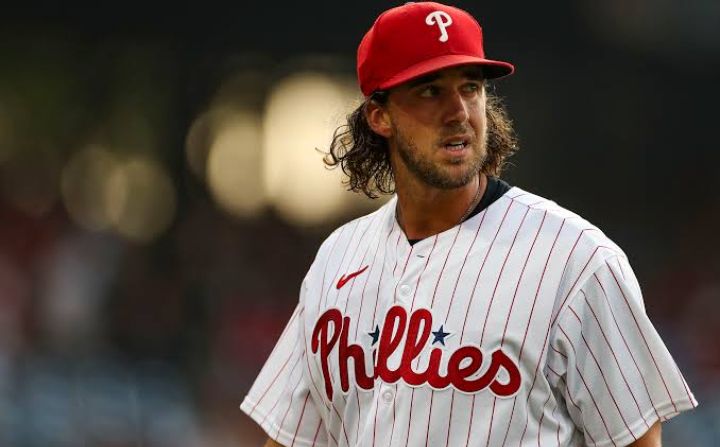
Another storyline drawing attention is starting pitcher Aaron Nola.
The veteran right-hander does not necessarily need to dominate every outing for the Phillies to succeed. Instead, consistent performances that keep the team in games could be exactly what Philadelphia needs.
When Nola delivers quality starts, he reduces the workload placed on the bullpen and gives the offense an opportunity to secure victories. That consistency becomes even more valuable now that the relief corps has lost an important contributor.
The Phillies already feature one of baseball’s strongest rotations when healthy. If Nola settles into a dependable rhythm during the second half, Philadelphia’s chances of maintaining its position in the standings improve considerably.
Rather than expecting Cy Young-level dominance every time he takes the mound, simply receiving reliable production from Nola may be enough to support the team’s championship aspirations.
Bullpen Now Under the Spotlight
With Keller unavailable, every bullpen appearance will receive additional scrutiny.
Late-inning relief pitching often determines the outcome of close games, particularly during September and the postseason. A single dependable reliever can dramatically improve a team’s chances of protecting narrow leads.
Philadelphia’s coaching staff will likely spend the coming weeks evaluating current options while the front office searches for external help.
If the Phillies fail to strengthen the bullpen, they risk placing excessive pressure on both the starting rotation and the offense. On the other hand, acquiring another proven reliever could stabilize the pitching staff and restore confidence heading into October.
League-Wide Trade Market Beginning to Heat Up
The Phillies are far from the only team preparing for deadline activity.
Across Major League Baseball, executives are evaluating buyers and sellers while monitoring injuries, standings, and contract situations. As contenders identify their biggest weaknesses, trade discussions are expected to become increasingly active.
Although rumors continue to circulate throughout the league, it remains unclear whether this year’s deadline will produce blockbuster deals or relatively modest transactions.
Some seasons feature multiple superstar trades, while others result primarily in smaller moves designed to improve roster depth. The coming weeks will reveal which direction this market ultimately takes.
Questions Across Baseball
Beyond Philadelphia, several major storylines are developing around the league.
Many clubs still face uncertainty regarding their playoff outlook. Teams hovering around the Wild Card race must decide whether to invest in immediate upgrades or begin planning for the future by trading veteran players.
Those decisions will influence the entire trade market, affecting both player availability and asking prices.
Meanwhile, baseball’s second half promises numerous compelling storylines involving division races, award candidates, and postseason positioning. Every series now carries greater importance as clubs fight for playoff spots.
Future Broadcast Rights Also Drawing Interest
Away from the field, Major League Baseball continues attracting significant attention from media companies interested in future television and streaming rights.
Several broadcasters and digital platforms are reportedly positioning themselves for upcoming negotiations involving postseason coverage, including the World Series.
The growing competition reflects baseball’s continued value as premium live sports programming. As viewing habits evolve, streaming services and traditional networks alike remain eager to secure broadcasting rights for one of the sport’s biggest events.
Phillies Enter Crucial Stretch
For Philadelphia, however, the primary focus remains winning games.
The club has the talent to compete with the National League’s best, but maintaining that status requires strong performances from both established veterans and emerging contributors.
Keller’s injury creates a new obstacle, while Nola’s consistency could become one of the keys to overcoming it.
The front office now faces important choices before the trade deadline. Whether the Phillies aggressively pursue bullpen reinforcements or make additional roster upgrades may ultimately shape how far this team can advance once the postseason begins.
With the second half officially underway, every decision—from trade negotiations to pitching assignments—carries added significance. The coming weeks will determine whether Philadelphia simply remains a playoff contender or positions itself as a legitimate World Series threat.