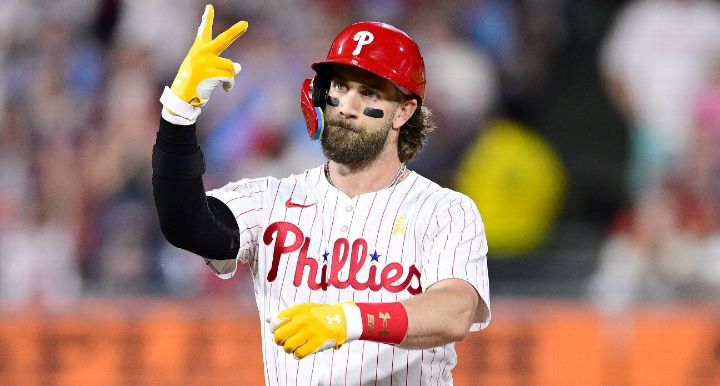
Philadelphia Phillies superstar Bryce Harper has built a reputation as one of Major League Baseball’s biggest names, both on the field and in the endorsement world. Over the years, the former MVP has partnered with several major brands, making him a familiar face in national advertising campaigns. However, one of those promotional appearances has unexpectedly become part of a high-profile lawsuit involving sports betting giant FanDuel.
The controversy centers on Philadelphia sports fan Terry Thompson, who has filed legal action against FanDuel, accusing the sportsbook of encouraging and exploiting his gambling addiction. According to court filings and reports, Thompson wagered approximately $18.5 million through the platform while receiving special treatment as one of the company’s VIP customers.
Among the perks Thompson allegedly received was a personalized video message from Harper.
Harper’s Video Becomes Part of Legal Dispute
Reports indicate that Harper recorded a brief thank-you video addressed directly to Thompson. In the message, the Phillies slugger greeted Thompson by name, mentioned his young son, and expressed appreciation for his support. Harper also explained that he was reaching out at the request of Thompson’s FanDuel VIP representative, who wanted to help make Thompson’s Thanksgiving extra memorable.
Although the video appeared friendly and harmless on the surface, it has now become one piece of evidence in Thompson’s lawsuit. Attorneys argue that personalized celebrity interactions formed part of a broader VIP rewards system designed to keep high-spending gamblers engaged with the platform.
The lawsuit alleges FanDuel offered exclusive incentives including customized experiences and celebrity messages to encourage continued betting activity among valuable customers.
A VIP Customer Who Wagered Millions
According to reports surrounding the lawsuit, Thompson gradually became heavily involved in online sports betting. The convenience of placing wagers during virtually every moment of sporting events allegedly fueled compulsive gambling behavior.
Court filings claim Thompson could continuously place bets on games, quarters, individual plays, and countless in-game markets with only a few taps on his phone. As his betting volume increased, so did the benefits he received from FanDuel.
Eventually, Thompson reportedly reached VIP status after wagering approximately $18.5 million through the sportsbook.
The lawsuit contends that rather than identifying warning signs of problematic gambling, FanDuel continued rewarding Thompson with exclusive treatment intended to maintain his activity on the platform.
Harper Reportedly Had No Knowledge of Thompson’s Situation
Importantly, reports indicate there is no evidence suggesting Harper knew anything about Thompson’s gambling history or addiction when he recorded the message.
Instead, Harper’s participation appears to have been part of a standard promotional arrangement tied to one of his endorsement partnerships. The video was reportedly created after a request from Thompson’s VIP account manager, without Harper being informed about the recipient’s betting habits or personal struggles.
As a result, Harper himself is not accused of wrongdoing in the lawsuit. Instead, his appearance illustrates how celebrity endorsements can unexpectedly become connected to larger legal disputes involving gambling companies and customer behavior.
Celebrity Marketing Under New Scrutiny
The case has sparked broader discussion about the growing relationship between professional athletes and sports betting companies.
Over the past several years, legalized sports gambling has expanded rapidly across the United States, leading sportsbooks to invest heavily in advertising campaigns featuring famous athletes, coaches, broadcasters, and sports personalities.
These partnerships are designed to increase customer engagement and strengthen brand recognition. Personalized experiences for VIP customers have also become common marketing tools among betting operators seeking to reward their highest spenders.
However, critics argue that these marketing strategies may carry unintended consequences when directed toward individuals struggling with gambling addiction.
The lawsuit involving Thompson raises questions about where sportsbooks should draw the line between customer appreciation and encouraging excessive betting.
Harper’s Long History as a Marketing Star
Harper’s appearance in the FanDuel video comes as no surprise given his long-standing status as one of baseball’s premier endorsement figures.
Since entering Major League Baseball, Harper has consistently ranked among the sport’s most marketable athletes. His popularity, recognizable personality, and success on the field have made him an attractive ambassador for numerous national brands.
One of his most notable endorsement agreements came in 2016 when Harper signed a landmark partnership with Under Armour. Industry reports at the time described it as one of the richest endorsement contracts ever awarded to a professional baseball player, surpassing many previous deals within the sport.
That agreement further cemented Harper’s reputation as a valuable marketing figure whose image carries significant commercial appeal.
Because of that status, Harper has frequently participated in promotional campaigns, commercials, social media content, and fan engagement initiatives throughout his career.
Unintended Consequences
While celebrity endorsements are common across professional sports, the current lawsuit demonstrates how promotional content can later be viewed differently when placed in another context.
What may have originally been intended as a simple appreciation message for a customer has now become part of a legal argument concerning responsible gambling practices.
The lawsuit does not claim Harper knowingly encouraged someone with a gambling addiction. Instead, it argues that FanDuel incorporated celebrity interactions into a larger VIP rewards program allegedly designed to keep high-value customers betting.
Whether courts ultimately agree with those claims remains to be seen.
Focus Remains on FanDuel
The central allegations in the lawsuit are directed at FanDuel rather than Harper.
Thompson claims the sportsbook recognized his gambling behavior yet continued providing incentives that encouraged additional wagering instead of intervening or limiting his activity.
FanDuel has not publicly accepted those allegations, and the legal process will determine whether the company’s VIP practices violated applicable laws or responsible gambling standards.
Meanwhile, Harper’s personalized video has become one of the most talked-about details in the case because it highlights the growing overlap between celebrity endorsements, sports marketing, and the expanding online gambling industry.
Larger Questions for Professional Sports
As sports betting partnerships continue to grow across professional leagues, this case may influence future conversations about athlete endorsements and responsible gaming initiatives.
Professional athletes routinely participate in promotional campaigns without knowing the identities or personal circumstances of the people receiving those messages. However, the lawsuit illustrates how those interactions can later become significant pieces of evidence when disputes arise over gambling addiction and corporate responsibility.
For Harper, the situation appears to be an unintended consequence of a routine endorsement activity. Nevertheless, the attention surrounding the lawsuit has placed renewed focus on the responsibilities of betting companies, the role of celebrity marketing, and the safeguards that should exist for customers vulnerable to gambling-related harm.
Regardless of the lawsuit’s outcome, the case has already sparked debate about how sportsbooks balance aggressive customer engagement with responsible gambling practices in an industry that continues to expand at a rapid pace.