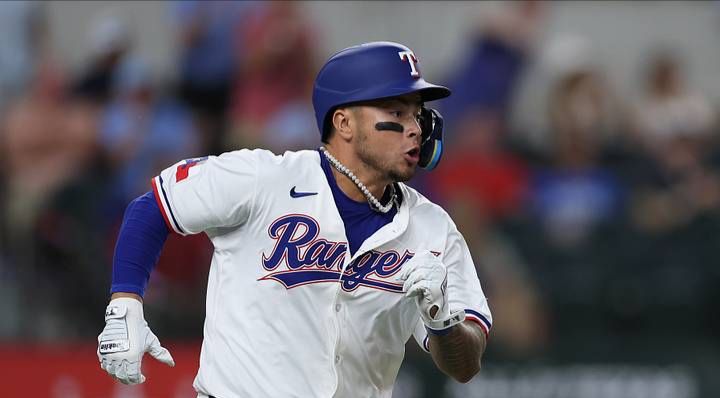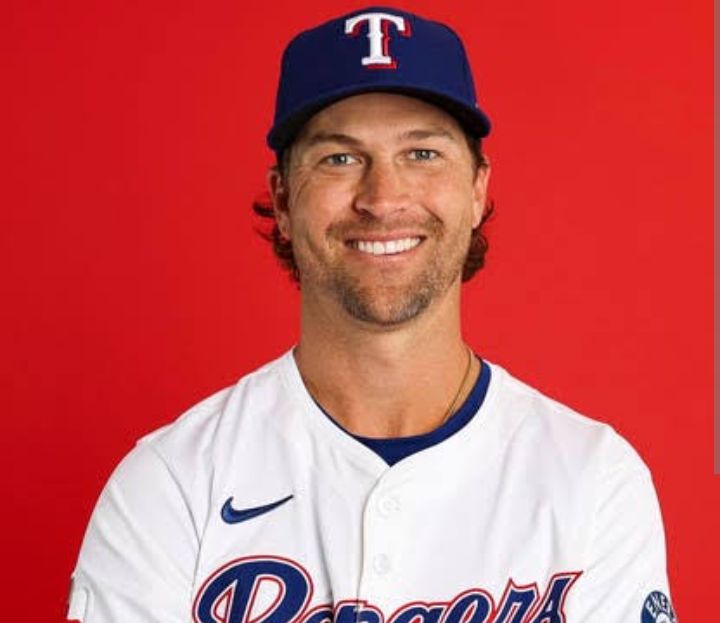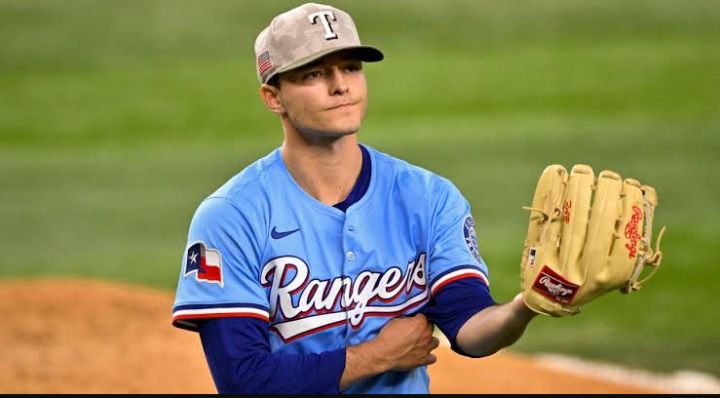
The Texas Rangers continue to battle through a challenging stretch of the season as injuries to several important players have created uncertainty across both the lineup and pitching staff. Among the biggest concerns remains the status of young outfielder Wyatt Langford, who is still recovering from a right forearm strain that has kept him out longer than originally expected.
Langford had been nearing a return before suffering a setback during a minor league rehab assignment earlier this month in Arizona. The injury delayed his recovery process and forced the Rangers to slow things down as they attempt to avoid any further complications. Speaking recently about his progress, Langford explained that he believes he could return within the next two or three weeks if everything continues moving in the right direction.
Although that timeline offers some optimism for Texas fans, there are still hurdles remaining before he is ready for game action. Langford admitted that he has not yet resumed swinging a bat, which remains one of the most important steps in the rehabilitation process for a hitter dealing with a forearm injury. Even so, he noted that the arm has felt much better in recent days, giving both him and the organization hope that a return may not be too far away.
The Rangers badly need Langford healthy because the talented young outfielder had started to show signs of improvement offensively before the injury occurred. Early in the season, Langford struggled to find consistency at the plate, but his numbers had begun trending upward during the final stretch before he was sidelined. His batting average rose significantly over his final 10 games prior to the injury, suggesting he was beginning to settle into a productive rhythm.
Texas originally expected Langford to be one of the lineup’s major offensive contributors this season. His combination of athleticism, power, and defensive ability made him one of the club’s most exciting young players entering the year. While his overall statistics before the injury were modest, the Rangers remained confident that a breakout stretch was coming before the setback interrupted his momentum.
In Langford’s absence, the Rangers have turned to rookie outfielder Alejandro Osuna for additional playing time in left field. Osuna has responded with several quality performances and has provided steady at-bats near the bottom of the lineup. He has shown patience at the plate and has consistently found ways to reach base, helping stabilize the offense during an important period.
Though Osuna has not yet displayed much power production, his strong on-base numbers and mature approach have impressed the coaching staff. The opportunity has also allowed Texas to evaluate how the young outfielder handles everyday major league competition. While the Rangers ultimately expect Langford to reclaim his role once healthy, Osuna’s emergence may give the organization another valuable option moving forward.
The Rangers are also closely monitoring the health of veteran starting pitcher Nathan Eovaldi, who was recently scratched because of left-side tightness. Manager Skip Schumaker described Eovaldi as day-to-day, but the team has not yet provided a complete update regarding the severity of the issue.
Eovaldi has been one of the Rangers’ most reliable pitchers and a key leader within the starting rotation. Losing him for any extended period would create another major challenge for a team already trying to manage multiple injuries. With a difficult stretch of games approaching, Texas may soon need additional depth to avoid overworking the bullpen and remaining starters.
To prepare for that possibility, the Rangers brought pitching prospect David Davalillo to the taxi squad for temporary coverage. Davalillo has developed into one of the organization’s promising young arms after performing well in Double-A. While he was not officially activated, his presence around the team suggests the Rangers are preparing contingency plans in case Eovaldi cannot make his next scheduled start.
The timing of Eovaldi’s injury concern is particularly difficult because Texas is entering one of the busiest portions of its schedule. The club is set to play 16 games in 17 days, placing significant pressure on the pitching staff. If Eovaldi misses time, the Rangers may need to shuffle the rotation or rely more heavily on younger pitchers to help carry the workload.
Meanwhile, veteran reliever Chris Martin has officially started his rehab assignment after dealing with a right shoulder impingement. However, his first appearance during rehab did not go according to plan. Pitching for Triple-A Round Rock, Martin struggled badly and surrendered four earned runs, including two home runs, while recording only two outs.
Although one rehab outing does not necessarily determine future success, the rough appearance added to concerns surrounding Martin’s overall performance this season. Before landing on the injured list, the veteran reliever had already endured a difficult start to the year. Opposing hitters were consistently making hard contact against him, and his earned run average had climbed well above expectations.
The Rangers signed Martin hoping he would bring stability and experience to the bullpen, particularly in high-pressure late-inning situations. Throughout his career, Martin has built a reputation for excellent command and reliability, but injuries and declining effectiveness have made his situation more complicated this season.
At 39 years old, Martin faces growing questions about whether he can still consistently perform at a high level in the majors. Texas will likely continue giving him opportunities during rehab to regain confidence and sharpen his mechanics, but the organization may eventually need to explore alternative bullpen options if improvement does not come quickly.
Despite the injuries and uncertainty surrounding several key players, the Rangers remain determined to stay competitive as the season continues. The upcoming weeks could prove extremely important for the club’s long-term outlook. A healthy return from Langford would strengthen the lineup considerably, while positive updates regarding Eovaldi and Martin could help stabilize the pitching staff.
For now, the Rangers continue balancing patience with urgency. They understand the importance of getting players healthy rather than rushing them back too quickly, especially with so much of the season still remaining. At the same time, every game matters in a competitive division race, making these injury situations impossible to ignore.
As Texas moves deeper into May, the organization will closely monitor each recovery process while relying on younger players and depth pieces to help keep the team afloat. Whether those replacements can continue producing may ultimately determine how well the Rangers survive this difficult stretch until their stars return.