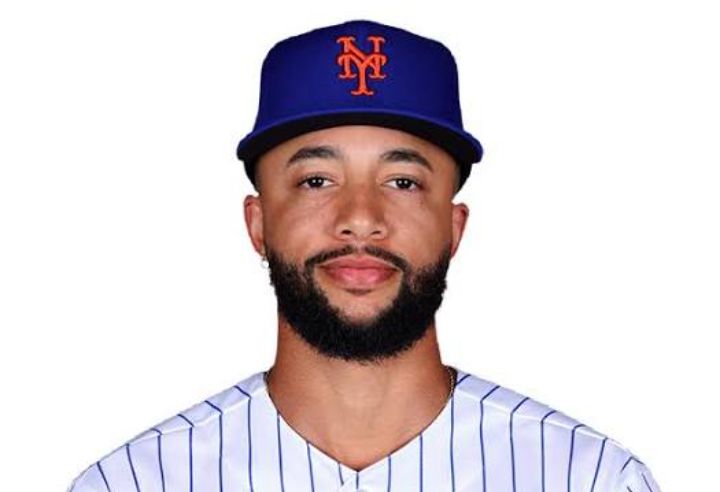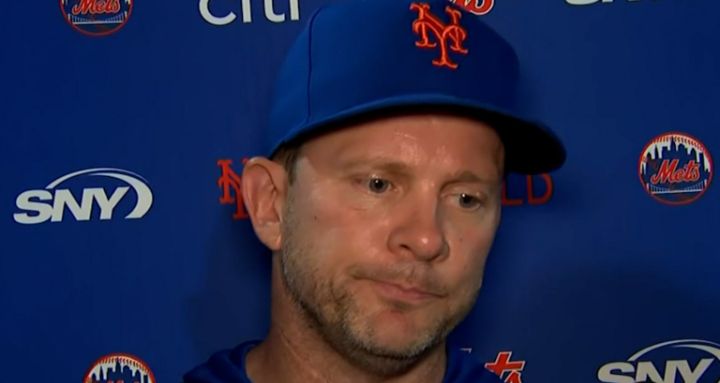
The New York Mets entered the 2026 season believing they had found an unconventional solution to one of their biggest offseason questions. After moving on from longtime first baseman Pete Alonso, the club signed veteran infielder Jorge Polanco to a two-year, $40 million contract, expecting his bat and experience to help stabilize the lineup while he transitioned into a new defensive role.
Just a few months later, that decision has become one of the organization’s biggest disappointments.
Injuries have limited Polanco’s availability, his offensive production has fallen well below expectations, and his value on the trade market has taken a significant hit. Yet as the MLB trade deadline approaches, one American League contender has emerged as a potential destination: the Seattle Mariners.
A reunion between Polanco and Seattle may seem unlikely at first glance, but the fit is intriguing enough to generate discussion. The Mariners are searching for offensive help, while the Mets may be looking for any opportunity to move a contract that hasn’t produced the expected return.
A Risky Offseason Experiment
When the Mets signed Jorge Polanco, the move surprised many around baseball.
Although Polanco had spent most of his career as a middle infielder, New York believed he could successfully transition to first base. The organization hoped his switch-hitting ability and proven offensive track record would soften the blow of losing Pete Alonso, one of the franchise’s most recognizable sluggers.
The plan looked creative on paper, but it also carried considerable risk.
Changing positions at the major league level is never simple, especially for a veteran who had accumulated very little experience at first base. The Mets believed his athleticism and baseball instincts would allow him to adjust quickly.
Unfortunately, circumstances never allowed that experiment to fully develop.
Injuries Changed Everything
Before the season even gained momentum, Polanco was already battling physical issues.
An Achilles problem lingered as he entered the campaign, limiting his ability to perform at full strength. Then another setback followed when he suffered a wrist injury that forced him onto the injured list for an extended period.
Instead of settling into his new role, Polanco spent much of the first half recovering.
When he finally returned, the Mets understandably eased him back into action. Rather than asking him to handle everyday duties at first base, the club primarily used him as the designated hitter while continuing to monitor his health.
The result was a player trying to regain timing at the plate after months away from major league pitching.
That challenge has proven difficult.
Offensive Numbers Raise Concerns
Production ultimately determines whether a signing is viewed as a success or failure.
For Polanco, the numbers have been disappointing.
His batting average has remained well below expectations, while his power production has nearly disappeared. Extra-base hits have become increasingly rare, and his overall offensive contribution has failed to justify the investment the Mets made during the offseason.
Instead of providing middle-of-the-order consistency, Polanco has struggled to make regular hard contact.
Whether the poor performance is simply rust from missing significant time or evidence of long-term decline remains unclear.
Either way, the Mets are running out of time to wait for a turnaround.
With postseason ambitions still very much alive, every roster spot becomes increasingly valuable as August approaches.
Why the Mets Could Explore a Trade
Moving Polanco would not necessarily be an admission that the signing was a complete mistake.
Instead, it could represent an effort to reshape the roster before the playoff push.
If the Mets believe another player can offer more immediate production, trading Polanco could create financial flexibility while opening playing time for healthier options.
Of course, finding a trade partner will not be easy.
Teams generally hesitate to acquire veterans carrying significant salaries while struggling offensively. Interested clubs would need confidence that Polanco’s recent numbers are not an accurate reflection of his true ability.
That limits the market considerably.
Still, all it takes is one organization believing a change of scenery can unlock better production.
Why Seattle Makes Sense
The Seattle Mariners have spent much of the season searching for greater consistency at the plate.
While their pitching staff has often kept them competitive, offensive inconsistency has prevented the club from maximizing its potential.
One particular weakness has been their production against left-handed pitching.
Polanco’s recent struggles are impossible to ignore, but evaluators may also remember what he accomplished before this difficult season.
Last year, he was particularly effective against southpaws, demonstrating the ability to drive the baseball with authority while maintaining quality plate discipline.
If Seattle believes that version of Polanco still exists, acquiring him at a reduced cost could become an attractive gamble.
Familiarity with the organization could also ease his transition.
Rather than adjusting to an entirely new environment, Polanco would already understand many aspects of Seattle’s culture and expectations.
The Financial Challenge
Talent is only one part of every trade discussion.
Money often becomes the deciding factor.
Polanco’s contract represents a meaningful financial commitment, particularly for a player whose production has declined sharply.
Even if Seattle likes the potential fit, the organization must determine whether taking on the remaining salary aligns with its payroll plans.
The Mets may need to absorb part of the contract to increase the chances of completing a deal.
That type of financial compromise frequently becomes necessary when teams attempt to move underperforming veterans.
Without such flexibility, negotiations could stall before they ever become serious.
Is the Risk Worth Taking?
For Seattle, this decision comes down to balancing upside against uncertainty.
On one hand, Polanco has previously demonstrated that he can be an above-average offensive player.
He owns years of major league success and has consistently shown the ability to contribute from both sides of the plate when healthy.
Players with that résumé rarely become available without significant acquisition costs.
On the other hand, recent performance cannot simply be ignored.
Injuries have affected his availability, and his offensive struggles have persisted since returning to action.
There is no guarantee that a reunion would suddenly restore his previous form.
The Mariners must determine whether those struggles are temporary or permanent.
If they believe health has been the primary issue, the gamble could prove worthwhile.
If not, Seattle might be better served targeting another hitter before the deadline.
What Happens Next?
The coming days could determine how both organizations approach the remainder of the season.
If the Mets keep Polanco, they will continue hoping that improved health leads to improved production during the stretch run.
Veteran hitters have recovered from slow starts before, and New York knows that one productive month can quickly change public perception.
If they trade him, however, the move would signal a desire to move forward with different options while attempting to maximize the current roster.
For Seattle, adding Polanco would represent a classic buy-low acquisition.
The Mariners would be betting that a talented veteran still has enough left to contribute in meaningful games during the playoff race.
Such moves have occasionally transformed postseason contenders, but they have also produced disappointing results when players fail to rebound.
Final Thoughts
Jorge Polanco’s first season with the Mets has not unfolded the way either side envisioned.
An offseason signing that once appeared capable of replacing a major offensive contributor has instead been defined by injuries, inconsistent performance, and growing uncertainty.
Still, experienced players with proven offensive ability rarely lose all of their value overnight.
That reality explains why teams like the Seattle Mariners could at least consider exploring a trade before the deadline.
Whether a deal ultimately materializes will depend on financial negotiations, medical evaluations, and each organization’s confidence in Polanco’s ability to rediscover his previous form.
For the Mets, moving the veteran could provide an opportunity to reshape the roster for the final months of the season. For the Mariners, acquiring him would be a calculated gamble that experience and familiarity can outweigh recent struggles.
As the trade deadline approaches, Polanco remains one of baseball’s more intriguing buy-low candidates. His future may ultimately depend on whether another club believes the disappointing numbers tell only part of the story.