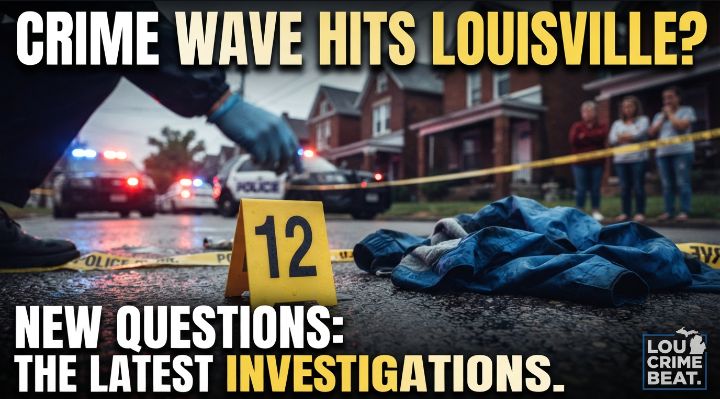
Public safety remains a major concern for residents across Louisville, Kentucky, as law enforcement agencies continue to investigate violent incidents, target criminal networks, and respond to missing-person cases.
From Downtown Louisville and the Highlands to Okolona and West Louisville, communities are seeking answers about crime trends and the measures being taken to protect residents.
Recent incidents involving armed suspects, federal criminal investigations, and security concerns at Louisville Metro Corrections highlight the challenges facing local authorities. At the same time, community members continue to play an important role in missing-person searches, neighborhood safety initiatives, and violence prevention efforts.
Understanding these developments requires examining police operations, federal enforcement efforts, missing-person investigations, and the wider challenges facing Louisville’s criminal justice system.
Police-Involved Shootings and Critical Incidents Draw Attention
Police-involved shootings and armed standoffs remain among the most closely scrutinized incidents in major metropolitan areas. In Louisville, such encounters have generated discussions about public safety, law enforcement procedures, and the need for transparency.
One reported incident involved an armed standoff at a motel on Phillips Lane. The situation reportedly escalated into a barricade operation and an exchange of gunfire that left the suspect dead.
Incidents involving lethal force often raise questions about the circumstances leading to the confrontation, the decisions made by responding officers, and whether established procedures were followed.
Investigations into such incidents are essential for establishing the facts and providing the public with accurate information.
Meanwhile, concerns about youth involvement in violent crime have also drawn attention in Louisville.
Reported body-camera footage from a shooting incident in Okolona involving a 15-year-old armed suspect has renewed discussions about juvenile access to firearms and the circumstances that lead young people into dangerous situations.
The availability of body-camera footage can help the public understand police encounters, although the full circumstances of an incident must be established through a thorough investigation.
Beyond law enforcement, community leaders and residents continue to emphasize the importance of early intervention, mentorship, educational opportunities, and after-school programs.
These initiatives can help young people develop positive relationships, acquire practical skills, and avoid involvement in criminal activities.
Federal Agencies Target Organized Crime Networks
While individual criminal incidents frequently dominate local headlines, broader enforcement efforts also focus on organized networks believed to contribute to violent crime.
Illegal firearms and drug trafficking remain significant concerns for law enforcement agencies across the United States. These activities can contribute to violence, increase community insecurity, and place additional pressure on police and emergency services.
In response, local authorities have worked alongside federal agencies, including the Bureau of Alcohol, Tobacco, Firearms and Explosives (ATF), the Federal Bureau of Investigation (FBI), and the Drug Enforcement Administration (DEA).
The objective of these partnerships is to identify criminal networks, investigate serious offenses, seize illegal weapons, and disrupt drug distribution operations.
The supplied report identifies an operation called Operation Silent Hammer as a major example of this approach. It attributes more than 50 federal indictments and the seizure of over 160 illegal firearms to the operation.
The report also cites a separate narcotics seizure involving approximately 80 pounds of methamphetamine during an operation associated with Louisville’s Third Division.
These figures require confirmation through official announcements or credible news reports before publication.
Why Federal and Local Cooperation Matters
Joint investigations can help authorities connect crimes that might otherwise appear unrelated.
For example, an investigation into an illegal firearm may uncover links to drug trafficking, financial transactions, or a wider criminal organization. Coordinated investigations can allow agencies to share intelligence and pursue cases that extend beyond the jurisdiction of a single police department.
However, the effectiveness of these operations should ultimately be assessed through verified results, including prosecutions, convictions, reductions in violent crime, and the long-term impact on affected communities.
Removing illegal firearms and disrupting drug distribution networks may contribute to public safety, but sustained progress also requires prevention programs and cooperation between residents and law enforcement.
Missing-Person Cases Keep Louisville Communities on Alert
Crime reporting extends beyond arrests, shootings, and drug seizures. Missing-person cases are equally important because they involve families searching for loved ones whose whereabouts may be unknown.
In Louisville and surrounding communities, public alerts and social media posts can help circulate information about missing individuals and encourage people with relevant information to contact authorities.
When a person is reported missing under circumstances suggesting immediate danger, timely communication can be critical.
The supplied report references a search for 30-year-old Tyler Damron near Avoca Ridge Drive, as well as a missing-person investigation involving Christopher Phillips. It also mentions the reported safe recovery of a young person through an initiative called Operation Return Home.
These names, circumstances, and outcomes should be checked against official missing-person notices before publication to ensure that the information is accurate and current.
How the Public Can Help
Members of the public can support missing-person investigations by sharing verified police notices, reporting credible information, and avoiding speculation about the circumstances of a disappearance.
People should be cautious when sharing photographs, personal details, or unverified claims online. Incorrect information can complicate investigations and cause additional distress to families.
Where authorities issue an official alert, residents should follow the instructions provided by the relevant agency.
Community cooperation can make a difference by helping investigators reach people who may have seen the missing individual or know something relevant to the case.
Louisville Metro Corrections Faces Security Challenges
Public safety concerns also extend to the correctional system, where authorities must maintain security while protecting inmates and staff.
Louisville Metro Corrections has faced scrutiny over issues associated with jail safety, contraband, staffing, and inmate welfare.
The supplied report describes an alleged drug-smuggling scheme involving three individuals who were already facing separate murder charges. The incident reportedly exposed concerns about how prohibited substances could enter or circulate within the facility.
This allegation requires confirmation from official records or credible reporting before it can be presented as an established fact.
Drug smuggling inside correctional facilities can create serious risks. Illicit substances may contribute to medical emergencies, violence, coercion, and additional criminal activity.
Preventing contraband from entering a jail requires effective screening procedures, appropriate monitoring, staff training, and investigations into suspected misconduct.
Addressing Overcrowding and Staffing Pressures
Correctional facilities also face operational challenges associated with overcrowding and staffing shortages.
When facilities operate under sustained pressure, maintaining security, providing medical attention, and managing potentially dangerous situations can become more difficult.
Addressing these challenges may require improvements in infrastructure, staff recruitment and retention, contraband detection, inmate health services, and the management of people awaiting trial.
Accountability is equally important. Investigations into security breaches should establish what happened, identify any procedural failures, and determine whether further action is necessary.
A secure correctional system is an important part of the wider criminal justice process because failures behind prison walls can have consequences for inmates, employees, and the surrounding community.
Community Involvement Remains Essential to Public Safety
Although law enforcement operations play a major role in responding to crime, lasting improvements in public safety require more than arrests and prosecutions.
Residents, community organizations, schools, businesses, and local authorities all have a role in addressing the conditions that can contribute to violence.
Neighborhood watch programs can help residents communicate concerns and report suspicious activity through appropriate channels. Youth mentorship programs can provide guidance and positive alternatives for young people who may be vulnerable to criminal involvement.
Community organizations can also support families affected by violence, connect residents with services, and promote conflict resolution.
Building trust between law enforcement and residents is another important part of this process.
When people feel comfortable reporting crimes and sharing relevant information, investigators may be better positioned to identify suspects, locate missing individuals, and respond to emerging threats.
At the same time, police departments must communicate clearly, investigate complaints appropriately, and provide accurate information about major incidents whenever possible.
Transparency and accountability can help strengthen public confidence in law enforcement.
What Comes Next for Louisville?
Louisville’s public safety challenges involve several interconnected issues, including violent crime, illegal firearms, drug trafficking, missing-person investigations, and correctional facility security.
Federal and local enforcement partnerships can help disrupt organized criminal activity, while effective police investigations can establish accountability following serious incidents.
However, enforcement alone cannot resolve every problem.
Long-term progress also depends on prevention, youth development, community engagement, correctional reforms, and continued efforts to build trust between residents and public institutions.
For residents, practical steps include following verified local news reports, checking official police announcements, participating in responsible neighborhood safety initiatives, and supporting organizations working to prevent violence.
Missing-person information should be shared carefully, and suspected criminal activity should be reported through appropriate official channels rather than handled through personal confrontation.
Ultimately, a safer Louisville will require a coordinated approach that combines effective law enforcement with community support and institutional accountability.
As investigations continue and authorities respond to emerging concerns, verified information will remain essential for helping residents understand developments affecting their neighborhoods.
Conclusion
The public safety situation in Louisville highlights the importance of combining targeted law enforcement with community-led prevention and transparent investigations.
From efforts to disrupt criminal networks to the search for missing individuals and improvements in correctional security, each part of the response contributes to the wider goal of protecting residents.
Sustained progress will depend on accurate information, responsible policing, public cooperation, and continued investment in solutions that address both immediate threats and the underlying causes of crime.