The St. Louis Cardinals entered the 2026 season with a clear objective: develop young talent, evaluate the players already in the organization and establish a foundation for the years ahead. While the team’s long-term direction remains important heading into 2027, the lessons learned this season could give the front office a much clearer idea of what needs to change if St. Louis wants to become a legitimate postseason contender.
The Cardinals are not expected to completely overhaul their roster through aggressive free-agent spending or major trades. Instead, the organization appears positioned to make targeted improvements while continuing to prioritize its developing core.
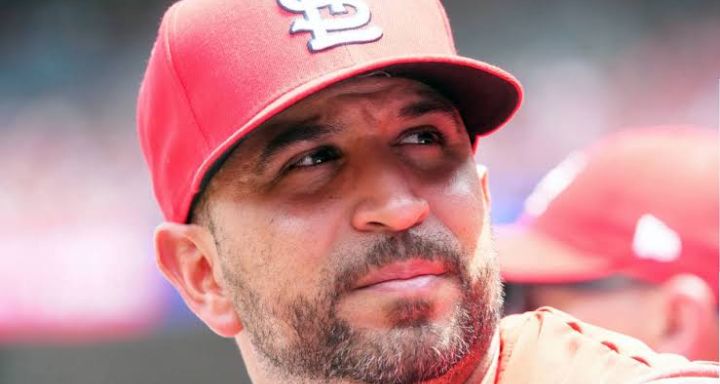
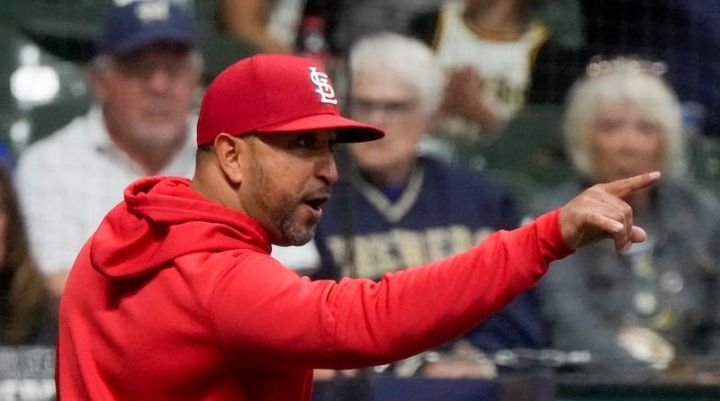
Manager Oliver Marmol recently emphasized how much more clarity the organization has gained compared with previous seasons. According to Marmol, the Cardinals entered 2026 with numerous questions but are finishing the year with a better understanding of which players can contribute to the team’s future.
That evaluation process has highlighted several areas that require attention.
1. Third Base Remains a Major Question
Third base stands out as one of the clearest areas where the Cardinals need to find improvement.
Marmol recently described the position as an open competition, and the statistics help explain why. Through 156 games, Cardinals third basemen have combined to hit just .215/.278/.352. Those numbers place the club near the bottom of Major League Baseball in offensive production from the position.
For a team hoping to compete for the postseason, that level of production is difficult to overlook.
Nolan Gorman had opportunities to establish himself as the long-term solution but was unable to take full advantage of them. He posted a .585 OPS across 258 at-bats, leaving the Cardinals with more questions than answers at the position.
There were, however, some encouraging developments.
Blaze Jordan showed flashes during his rookie season and could remain part of the competition heading into 2027. Thomas Saggese has also generated attention with his offensive performance after returning from Triple-A. Utility player José Fermín is another candidate who could receive consideration.
The organization could therefore decide to let its internal options compete for the job. However, the Cardinals should not necessarily limit themselves to players already on the roster.
If an opportunity emerges to acquire an established third baseman through a trade or another external move, it could make sense for the front office to investigate it.
The organization also has prospects who could eventually complicate the picture. Double-A shortstop Jesús Báez, ranked No. 15 among Cardinals prospects by MLB Pipeline, produced 39 home runs during the regular season. His power could eventually push him into conversations about a future position on the Major League roster.
Rainiel Rodriguez, the organization’s top prospect, could also become relevant if St. Louis gives him additional defensive versatility.
For now, though, third base remains one of the most obvious areas for improvement.
2. The Bullpen Needs More Reliability
Another major concern is the bullpen.
The Cardinals have several young pitchers who have made positive impressions, but the overall relief corps has not consistently delivered at the level required from a postseason-caliber team.
St. Louis’ bullpen entered the final stages of the 2026 season with a 4.52 ERA, which ranked 24th in the Majors. The team also recorded 29 blown saves, one of the highest totals in baseball.
Those numbers demonstrate the importance of adding more dependable relief options.
Over the past several seasons, the Cardinals have frequently used the trade deadline to move relievers and have often looked for relatively inexpensive replacements during the offseason. That approach could continue in 2027, particularly because the organization remains committed to developing young talent.
However, there may be an opportunity for the front office to take a slightly different approach.
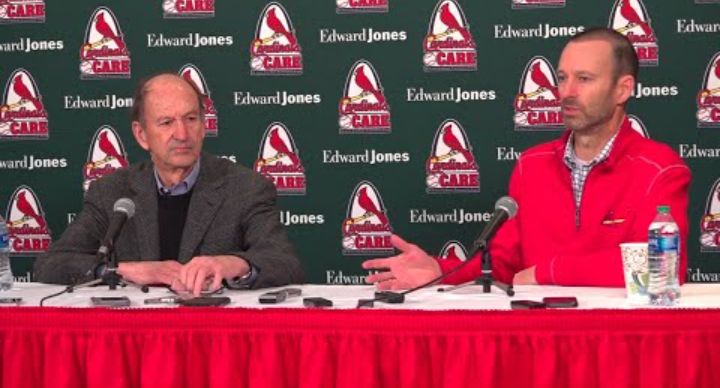
If St. Louis has additional payroll flexibility, president of baseball operations Chaim Bloom could potentially pursue higher-end bullpen options capable of protecting leads in important situations.
A stronger bullpen would also take pressure off the starting rotation. Young starters could be managed more carefully, while experienced relievers could handle important innings late in games.
The Cardinals do not necessarily need to spend heavily on multiple relievers. Adding a dependable arm or two, while allowing promising young pitchers to continue developing, could significantly change the composition of the bullpen.
3. The Rotation Needs a True Front-End Starter
Starting pitching was actually one of the brighter aspects of the Cardinals’ 2026 season.
The rotation finished with a 4.14 ERA, ranking 11th in Major League Baseball. Several pitchers demonstrated that they can contribute to the team’s future.
Michael McGreevy and Andre Pallante both posted ERAs below 4.00, but their profiles appear better suited to middle- or back-of-the-rotation roles rather than serving as traditional aces.
Quinn Mathews is another intriguing option. He has the talent and makeup to become an important member of the rotation, but 2027 is expected to be his first full season starting for St. Louis. Expecting him to immediately become the staff’s unquestioned No. 1 starter would be a significant responsibility.
Kyle Leahy may have come closest to filling that role in 2026. His breakout performance gave the Cardinals plenty of encouragement about his future. However, he does not yet have an extensive track record as a top-of-the-rotation starter, and the organization has already had to manage his innings.
That makes relying on Leahy to repeat everything he accomplished in 2026 a risky proposition.
The Cardinals also have several highly regarded pitching prospects coming through the system. Liam Doyle, Tanner Franklin and Jurrangelo Cijntje could eventually become important pieces of the Major League rotation.
But the organization should be careful about placing too much pressure on prospects to immediately solve a major-league rotation problem.
Instead, adding an established starter could give the Cardinals greater stability at the top of the rotation while allowing their younger pitchers to develop at an appropriate pace.
What It Means for 2027
The Cardinals do not need to rebuild their entire roster.
In fact, one of the biggest benefits of the 2026 season is that the organization now has more information about its young players and potential long-term pieces.
The challenge is identifying the right areas to supplement that young core.
Third base remains unsettled because the club has not received enough offensive production from the position. The bullpen needs greater consistency after struggling to prevent blown leads. Meanwhile, the starting rotation could benefit from an experienced front-line arm capable of providing stability at the top.
Those three areas do not necessarily require blockbuster spending. The Cardinals could pursue a combination of internal development, targeted trades, free-agent additions and prospect promotions.
The organization’s long-term plan can remain intact while still making the Major League roster more competitive.
If St. Louis can find meaningful improvements at third base, strengthen the bullpen and add certainty to the front of its rotation, the Cardinals could enter 2027 with a much more balanced roster.
The 2026 season was largely about discovering what the next version of the Cardinals could look like. The next challenge will be turning those discoveries into a team capable of competing for October baseball.