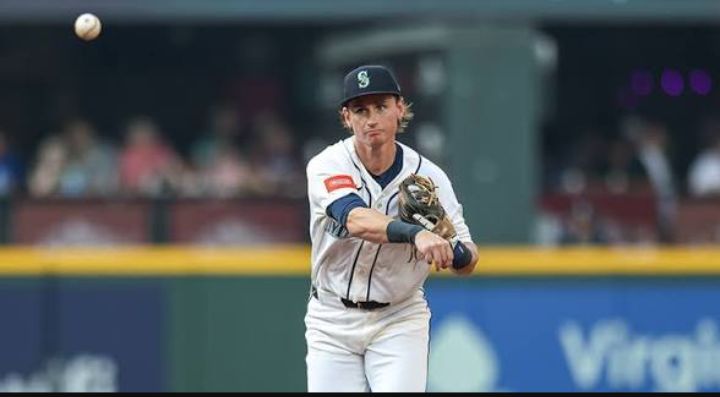
Seattle Mariners infielder Brendan Donovan remains hopeful that he can return to the field before the 2026 season comes to an end, but his recovery from a concussion continues to present challenges.
Donovan suffered the concussion in an unusual batting-cage accident on August 22, when a baseball struck him in the back of the head shortly before the Mariners were scheduled to face the Chicago Cubs. More than two weeks later, the infielder is still experiencing symptoms that have prevented him from advancing through Major League Baseball’s concussion recovery protocol.
The Mariners are approaching the final stretch of the regular season, leaving Donovan with limited time to make his comeback. However, the 2026 season has already been a difficult one for him, and he remains determined to find a way back onto the field if his health allows it.
Speaking about his recovery, Donovan explained that dizziness has become one of the earliest signs that his body is not ready for a full baseball workload. Nausea then follows, sometimes becoming severe enough that he has to stop his workout altogether.
According to Donovan, even relatively routine baseball activities can trigger those symptoms.
He explained that he can begin working on the field but eventually starts feeling as though he might vomit. Even taking ground balls has become challenging, forcing him to limit the number of repetitions he takes during workouts.
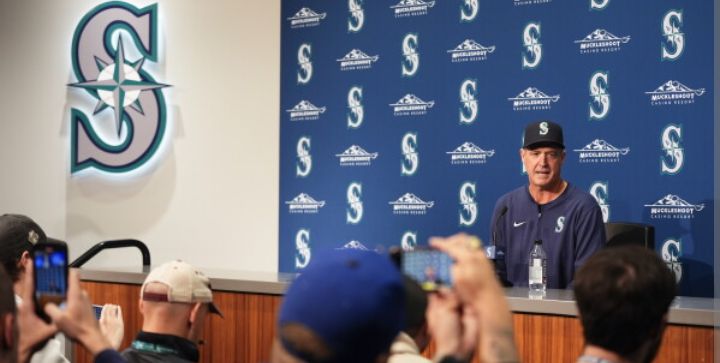
The Mariners infielder recently provided an update on his condition voluntarily, approaching MLB.com before Seattle’s game against Oakland on Sunday. Players placed on the concussion injured list are generally unavailable to the media under the club’s baseball operations policy, but Donovan wanted to explain his situation and give fans a clearer picture of why his recovery has taken longer than expected.
Donovan emphasized that the concussion protocol is designed as a gradual progression. Players must successfully complete each stage before moving forward, meaning continued symptoms can effectively halt the process.
For Donovan, that has been the biggest obstacle.
He has been gradually increasing his baseball activities during the Mariners’ recent road trip, including workouts in Toronto and Boston. However, the increased workload has also exposed some of the lingering effects of the concussion.
Mariners general manager Justin Hollander previously acknowledged that the organization does not want to rush Donovan back while he is still experiencing symptoms.
Donovan described the process in greater detail, explaining that the location of the impact on the back of his head has made activities involving tracking and processing moving objects particularly difficult.
Fielding ground balls, for example, requires him to follow the baseball with his eyes, catch it and then quickly identify his target before making a throw. As the intensity of those activities increases, Donovan said, dizziness begins to develop. If he continues instead of stopping, nausea can quickly follow.
That has forced him and the Mariners’ medical staff to carefully manage his workload.
Despite those setbacks, Donovan remained optimistic heading into Sunday’s workout. He said he had enjoyed one of his better nights of sleep since suffering the concussion and was hopeful that improved rest would allow him to tolerate more activity.
Interestingly, Donovan has been using an Oura Ring to monitor his sleep and other aspects of his recovery. He purchased the device during Spring Training, long before suffering the concussion or the left groin injury that had already resulted in two separate injured-list stints this season.
Because he had collected health and sleep data before either injury, Donovan has been able to compare his current condition with his normal baseline.
The device tracks several sleep-related measurements and can also indicate periods when his body is experiencing increased physiological stress. Donovan said those measurements have helped him recognize patterns in his recovery that are not always obvious based solely on how he feels.
He noticed, for example, that on days when his sleep quality was poor, his dizziness tended to appear much sooner during workouts. Conversely, when he slept better, he was often able to handle more baseball activity before symptoms surfaced.
That information has helped him determine when it may be wiser to reduce his workload rather than attempt to push through discomfort.
The concussion has added to what has already been a frustrating season for Donovan. He has appeared in only 39 of Seattle’s 144 games, meaning his time with the club has been severely limited.
Still, the infielder has made it clear that he wants another opportunity to contribute before the season ends.
There is also a larger concern influencing his approach to the recovery. Donovan acknowledged that while he desperately wants to play baseball again, he understands that a brain injury cannot be treated like an ordinary physical injury.
His long-term health remains the priority.
Donovan said he wants to return to baseball, but he also wants to make sure he can enjoy everyday life, including spending time with his children and being fully present with them. That reality has remained at the forefront of his mind throughout the recovery process.
At the same time, he admitted that being unable to play has been extremely difficult. After already missing significant time earlier in the season, another injury has taken away yet another opportunity to contribute.
Donovan also confirmed an important detail about the batting-cage accident: he was not wearing a helmet when he was struck by the baseball. The incident has since prompted a change in how the Mariners handle overhand batting-practice throws, with hitters now wearing helmets during those sessions.
The infielder indicated that the experience has changed his perspective and that there are several things he intends to do differently going forward.
During Sunday’s workout, Donovan was seen jogging in the outfield while wearing sunglasses and earbuds. Those items were being used to help limit exposure to bright light and loud sounds, both of which can aggravate concussion-related symptoms.
The Mariners’ postseason hopes have become increasingly uncertain, but Donovan has not abandoned the possibility of returning in 2026.
His immediate goal is simple: continue progressing without triggering the symptoms that have repeatedly stopped his workouts.
For now, there is no firm timetable for his return. Donovan must continue working through MLB’s concussion protocol and demonstrate that he can handle increasing levels of baseball activity without experiencing dizziness, nausea or other symptoms.
If he can clear those hurdles, there could still be enough time remaining in the season for him to make an impact.
But the Mariners are unlikely to take unnecessary risks with his health. Donovan’s willingness to return is clear, yet the organization must balance his desire to play with the importance of ensuring that he has fully recovered.
After a season filled with injuries and setbacks, Donovan is hoping his latest rehabilitation effort ends differently.
He wants to get back on the field, help the Mariners whenever possible and finish the year on a positive note. However, his recovery will ultimately be dictated by how his body responds and whether he can progress through the necessary stages without symptoms returning.
For Donovan, the message is clear: he still wants to play, but he understands that getting healthy has to come first.