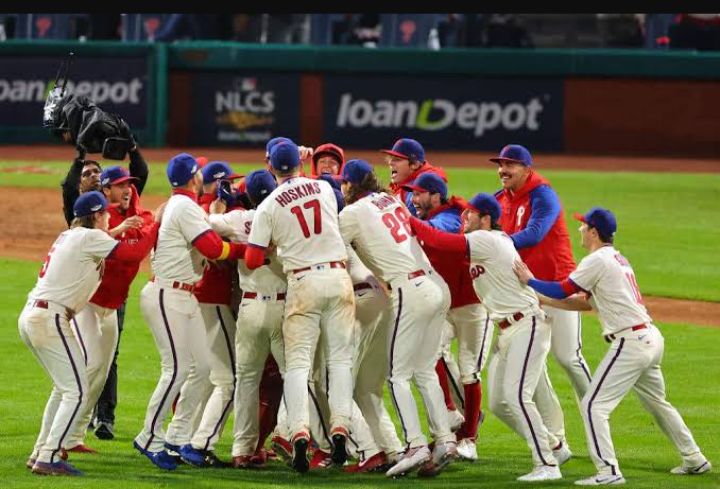
In the ever-evolving chess game of Major League Baseball roster construction, the most impactful moves are not always the blockbuster trades or nine-figure free-agent signings that dominate headlines. Sometimes, the most telling transactions are the quiet, under-the-radar acquisitions that reveal an organization’s core philosophy and developmental confidence. The Seattle Mariners’ recent signing of 25-year-old right-handed pitcher Gunner Mayer to a minor-league contract is precisely such a move. It is a quintessential Mariners gamble: a low-risk, potentially high-reward bet on raw tools and untapped potential, placing immense faith in what has become the franchise’s defining strength—its unparalleled ability to cultivate pitching talent.
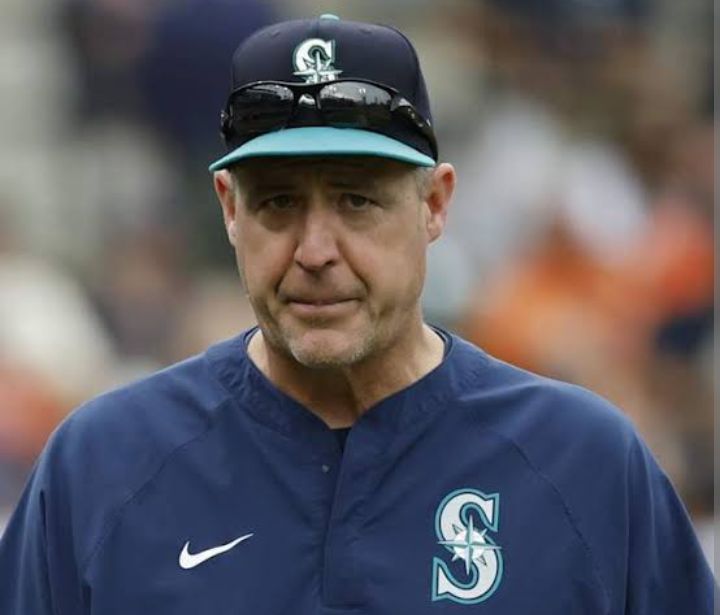
For the uninitiated, Mayer’s career statistics might not immediately scream “future major leaguer.” Over parts of six minor-league seasons in the Philadelphia Phillies organization, he compiled a 5.31 ERA across various levels, topping out at Double-A Reading in 2025. In an era obsessed with pristine metrics and efficiency, a number like that is typically a ticket to organizational depth or an early transition to independent ball. But to the Mariners’ analytically-driven front office and revered pitching development staff, those numbers are merely the surface layer. Digging deeper reveals the tantalizing raw material that has prompted this investment: in those same 272.2 innings, Mayer struck out a staggering 338 batters. That translates to an eye-popping 11.2 strikeouts per nine innings, a rate that would turn heads even in a major league bullpen.
The Mariners’ interest becomes even clearer when considering the physical prototype Mayer represents. At 6-foot-6, he fits the modern ideal of a power pitcher. His height allows for a steep, downhill plane on his pitches, creating a difficult angle for hitters. More importantly, his long limbs and leverage can generate elite velocity and, crucially, what pitchers call “extension.” The concept of extension—the distance from the pitcher’s release point to home plate—is a cornerstone of the Mariners’ pitching doctrine. A pitcher who releases the ball closer to the batter effectively makes his velocity play up, as the hitter has less time to react. Mayer, reportedly releasing the ball just over 53 feet from the plate, is a natural in this department. His fastball doesn’t need to touch 100 mph to be devastating; at his extension, a 95 mph heater can appear to a hitter like a 97-98 mph one from a pitcher with a shorter stride. This physical gift provides a foundational advantage that coaching can amplify.
However, the glaring flaw in Mayer’s game is as obvious as his strength: command. His 179 career minor-league walks underscore a consistent struggle to harness his powerful arsenal. Wildness has been the roadblock preventing his stuff from translating into consistent success. This is where the Mariners’ reputation becomes the central part of the story. Seattle has transformed from a pitching backwater to a “Pitching Lab” of national renown. Under the guidance of figures like Director of Pitching Strategy Trent Blank and a deep bench of coordinators and coaches, the organization has developed a systematic approach to solving the very puzzle Mayer presents.
The Mariners’ philosophy is not about complete overhauls but about targeted, data-informed adjustments. They excel at identifying one or two key mechanical inefficiencies—often related to a pitcher’s posture, arm path, or lower-half engagement—that, when corrected, can lead to dramatic improvements in control without sacrificing stuff. For a pitcher like Mayer, the focus will likely be on simplifying his delivery to create a more repeatable motion. Can they help him establish a consistent release point? Can they tweak his grip or his mindset in the strike zone to turn debilitating walks into competitive, if not perfect, pitches? The Mariners’ track record with reclamation projects—turning cast-offs like Paul Sewald, Drew Steckenrider, and countless others into high-leverage relievers—suggests they believe they can.
The context of where Mayer will pitch is equally significant. T-Mobile Park in Seattle is one of the most pitcher-friendly environments in baseball, particularly suppressing home runs. For a pitcher with command issues, this is a safety net. Mistakes over the heart of the plate are less likely to leave the yard in Seattle than in many other parks, especially Philadelphia’s more hitter-friendly Citizens Bank Park. This environment allows pitchers to attack the zone with slightly more confidence during the adjustment period, a psychological benefit that should not be underestimated. The Mariners are not just acquiring a pitcher; they are acquiring a pitcher specifically for their ecosystem, one that is designed to maximize his strengths and mitigate his weaknesses.
Furthermore, the timing and structure of this deal are telling. By reaching minor-league free agency at 25 after being drafted out of junior college, Mayer hits the market at a developmental sweet spot. He is young enough to still be considered a prospect with projection left, yet experienced enough to have a full professional track record for analysis. A minor-league contract involves no 40-man roster commitment and minimal financial risk for Seattle. It is a pure talent play. For Mayer, it represents a critical fresh start with an organization that has a clear, proven pathway to the majors for pitchers who buy into their system.
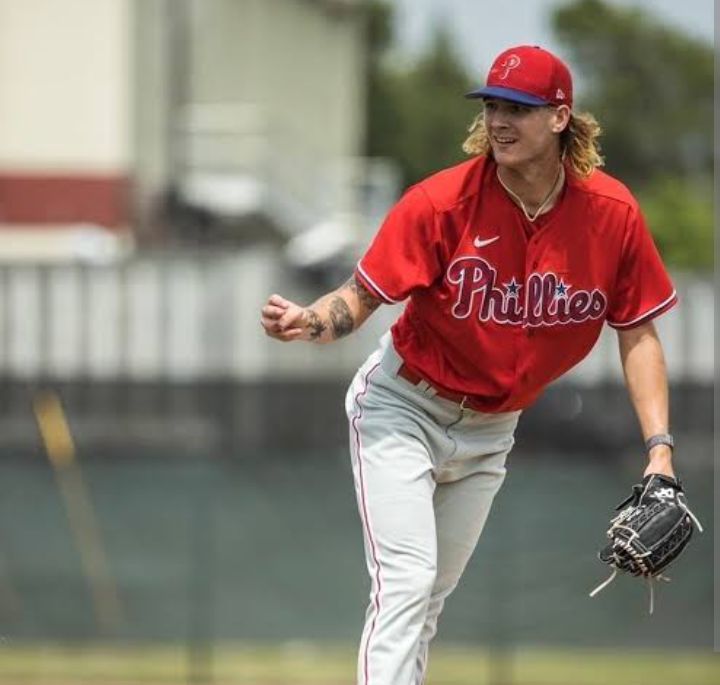
The likely immediate plan for Mayer is to continue his recent trajectory as a reliever. His power arsenal, high strikeout rate, and the need to simplify his approach all point to a bullpen future. The Mariners’ major league bullpen is typically a meritocracy; performance in the high minors, particularly at Triple-A Tacoma, is rewarded with opportunity. The goal for 2026 will be to get Mayer consistent innings in the minors, implement the necessary command adjustments, and see if he can force his way into consideration for a late-season call-up or position himself for 2027.
This signing is a microcosm of the modern Mariners’ operational blueprint. They operate with the conviction that they can see pitching value where others see only risk. They leverage their ballpark and developmental reputation as a competitive advantage in attracting these types of players. In Gunner Mayer, they see not the 5.31 ERA, but the 6-foot-6 frame, the elite extension, the swing-and-miss rate, and the whisper of untapped potential. They see a block of marble where others might see a fractured stone, confident in their ability to sculpt it into something valuable.
Whether Gunner Mayer becomes the next in a long line of Mariners pitching success stories or remains a footnote in transaction logs will depend on his adaptability and the precision of the Mariners’ development machine. But the move itself is a definitive statement. It reaffirms the organization’s identity, demonstrates its continued search for market inefficiencies, and showcases a belief system that has become the envy of many across baseball: in Seattle, they believe they can fix pitchers. And they are willing to bet a minor-league contract on that belief, again and again.