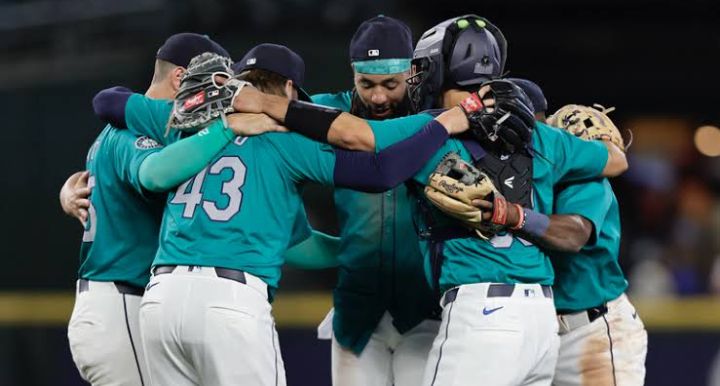
The Seattle Mariners entered the 2026 MLB trade deadline with several questions surrounding their roster, but the organization ultimately chose a relatively conservative approach. Rather than making a series of blockbuster additions, Seattle completed two significant transactions that changed the shape of the roster without completely transforming it.
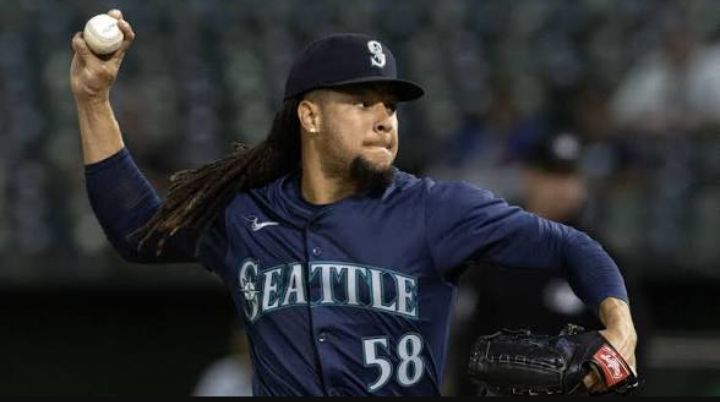
The first major move saw the Mariners send veteran starting pitcher Luis Castillo to the Chicago White Sox. In return, Seattle acquired reliever Seranthony Domínguez along with two prospects. The organization then made another move by acquiring outfielder Taylor Ward from the Baltimore Orioles.
Those transactions addressed certain needs, but they also created several new questions that the Mariners must answer during the final stretch of the season. With Castillo gone, the starting rotation has an opening. Ward’s arrival has created greater competition for playing time in the outfield, while Domínguez’s addition gives the bullpen another high-powered arm that needs to be properly integrated.
Seattle’s front office, led by general manager Justin Hollander, also had to navigate plenty of trade speculation before the deadline. George Kirby was reportedly discussed as a possible trade candidate, but the Mariners ultimately decided to keep him. That decision means the club now has to maximize the roster it has rather than relying on another major trade to fix its weaknesses.
Here are three important roster decisions Seattle needs to get right.
1. Find the Right Replacement for Luis Castillo
The decision to trade Castillo was about more than simply moving an established starting pitcher. It also opened an opportunity for Seattle to give a younger arm a chance while reducing a significant financial commitment.
One player who could benefit from the move is pitching prospect Cade Anderson. The Mariners now have to determine whether Anderson is ready to make the jump from Double-A or whether he needs additional development time before joining the major league rotation.
That decision is particularly important because Seattle cannot afford to weaken its starting staff during the playoff race.
The Mariners still have several pitchers capable of filling innings, but consistency remains a concern. Bryce Miller, for example, recently struggled against Detroit, surrendering four runs on five hits in a losing effort. Logan Gilbert has also experienced some difficult outings, including a start against Tampa Bay in which he allowed two home runs.
George Kirby remains one of the most dependable pitchers in the rotation. Although he did not factor into the decision in his most recent appearance, Kirby delivered five clean innings and continued to demonstrate why Seattle chose to retain him through the deadline.
With Castillo no longer in the picture, however, the Mariners need clarity at the back end of their rotation.
Promoting Anderson too soon could put unnecessary pressure on a young pitcher who may not yet be ready for the demands of a playoff chase. Waiting too long could leave Seattle vulnerable if its existing starters struggle or injuries arise.
Finding the correct balance will be one of the most important decisions of the next several weeks.
2. Bring Order to a Crowded Outfield
Seattle’s other major issue is the number of players now competing for limited opportunities in the outfield.
The addition of Taylor Ward has given the Mariners another potentially valuable offensive weapon. At the same time, the organization also brought Nolan Jones into the picture, adding even more competition to an already crowded group.
Julio Rodríguez remains one of the unquestioned everyday pieces. The young star continues to provide power and speed and recently contributed a solo home run and stolen base against Tampa Bay.
Randy Arozarena is another important part of Seattle’s plans.
But beyond those established names, the Mariners now have several players competing for the remaining playing time. Ward, Jones, Victor Robles and Dominic Canzone are all part of a crowded picture, while Luke Raley is working toward a return from a forearm injury.
The Mariners have already taken steps to reduce the roster congestion. Stuart Fairchild was designated for assignment and eventually cleared waivers before being sent to Triple-A Tacoma.
More decisions could follow.
The issue isn’t necessarily having too many capable outfielders. Depth can be extremely valuable over a long season. The bigger concern is failing to establish a clear plan for how those players will be used.
Seattle needs to determine which players are best against left-handed or right-handed pitching, who should receive regular starts and which players are better suited for specific defensive or late-game situations.
Ward was acquired because the Mariners believe he can improve the offense. If the organization constantly moves him in and out of the lineup because of the crowded roster, it could make it harder for him to settle into his new environment.
A clear hierarchy would help everyone.
Rodríguez and Arozarena should continue receiving significant opportunities, while the rest of the group needs to be evaluated based on production, defense, matchups and overall roster value.
The Mariners don’t necessarily have to remove every extra outfielder immediately, but they do need to avoid allowing the competition to become an obstacle.
3. Establish a Clear Bullpen Structure With Seranthony Domínguez
The Castillo trade also gave Seattle a new weapon in the bullpen.
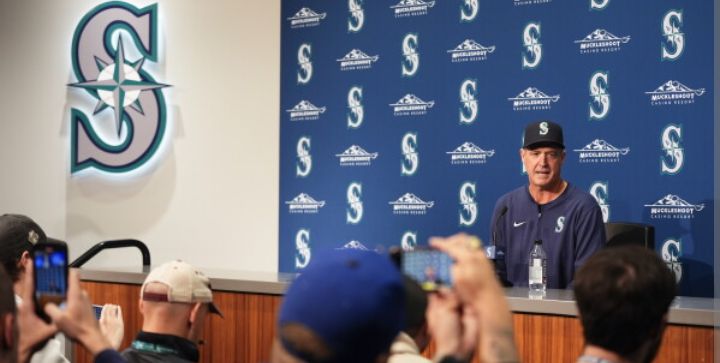
Seranthony Domínguez was one of the most notable pieces coming back to Seattle, and his arrival gives manager Dan Wilson another experienced power arm to work with.
Domínguez can potentially become an important bridge to closer Andrés Muñoz, particularly during high-leverage situations.
However, adding another quality reliever also means the Mariners must determine how the bullpen hierarchy should look.
Matt Brash remains on the injured list, while Gabe Speier’s roster situation has also recently changed. Cole Wilcox has added another complication after being placed on the 15-day injured list because of a left oblique strain.
Those developments have made bullpen management even more important.
Seattle has relied heavily on its available relievers throughout the season, and the pressure becomes even greater as the club approaches the final stretch of the regular season.
The Mariners need to establish which pitchers are trusted in the seventh, eighth and ninth innings rather than constantly changing roles.
Muñoz remains the obvious option to handle the closer’s role, but the innings leading up to him need to be organized. Domínguez could potentially handle important setup responsibilities, but Seattle also needs to consider how Brash fits into the equation once he returns.
A defined bullpen structure would allow Wilson to manage games more efficiently while preventing certain relievers from being overworked.
That could prove especially valuable if Seattle remains involved in the playoff race into September.
The Deadline Moves Now Have to Pay Off
Seattle’s trade deadline was notable because of what the team did not do. The Mariners did not make a massive splash or dramatically overhaul their roster.
Instead, the organization made moves that were more focused on financial flexibility, roster development and targeted improvement.
Trading Castillo created an opening in the rotation and provided an opportunity for a younger pitcher such as Cade Anderson. Adding Ward gives the offense another potential contributor, but it also creates a difficult outfield puzzle. Meanwhile, Domínguez adds strength to a bullpen that will need to be dependable during the playoff push.
The success of Seattle’s deadline strategy may ultimately depend less on the trades themselves and more on what happens next.
The Mariners must replace Castillo without creating a major weakness in the rotation. They have to find a sensible way to distribute playing time among their crowded collection of outfielders. They also need to integrate Domínguez into a bullpen that has already dealt with injuries and changing roles.
If those three situations are handled effectively, Seattle’s relatively quiet deadline could still prove useful.
But if the rotation becomes unstable, the outfield competition becomes unmanageable or the bullpen fails to establish reliable late-inning options, the decisions made at the deadline could become a major talking point.
With the postseason race approaching its decisive stages, Seattle has little room for mistakes. The organization has already made its trades. Now, the responsibility falls on Hollander, Wilson and the rest of the Mariners’ baseball operations staff to turn those moves into meaningful production on the field.
The next few weeks should reveal whether Seattle’s conservative approach was actually a calculated strategy or simply an opportunity missed.