New York Mets starting pitcher Clay Holmes is expected to be sidelined for an extended period after suffering a fractured right fibula during a game against the New York Yankees. The injury occurred in the fourth inning when a hard line drive off the bat of Yankees prospect Spencer Jones struck Holmes directly in the leg. The frightening moment immediately raised concerns among teammates, coaches, and fans, especially given Holmes’ importance to the Mets’ pitching rotation this season.
Although the injury is serious, the organization received encouraging news after Holmes underwent medical evaluations. Early indications suggest that surgery may not be necessary, which significantly improves the outlook for his recovery timeline. Holmes himself addressed the situation and expressed optimism that he can avoid an operation. That development is important because surgery could have added months to the rehabilitation process and potentially ended his season.
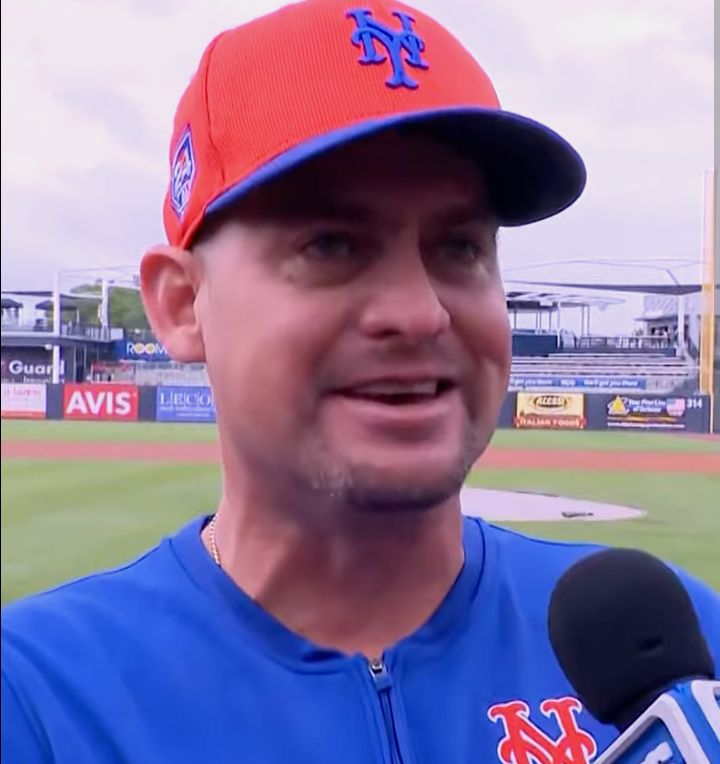
Mets manager Carlos Mendoza also provided a positive update when speaking with reporters. Mendoza said the team fully expects Holmes to return before the season concludes. While there is still a long recovery ahead, the Mets are relieved that the injury does not appear to be career-threatening or severe enough to permanently affect his pitching mechanics.
The current expectation is that Holmes will require approximately six to eight weeks for the fractured fibula to heal properly. After that, he will still need additional time to rebuild strength, regain conditioning, and complete baseball activities such as bullpen sessions, batting practice simulations, and minor league rehab appearances. Pitchers recovering from leg injuries often need to be especially careful because the lower body plays a major role in generating power and maintaining balance during delivery.
For Holmes, patience will be critical throughout the rehabilitation process. Returning too quickly could increase the risk of setbacks or create compensatory issues elsewhere in the body. The Mets’ medical staff will likely take a cautious approach to ensure he returns at full strength rather than rushing him back prematurely.
Before the injury, Holmes had become one of the most dependable arms in the Mets’ rotation. His consistency and experience helped stabilize the pitching staff during key stretches of the season. The veteran right-hander has built a reputation as a reliable competitor capable of handling high-pressure situations, and his presence on the mound has been valuable both statistically and emotionally for the club.
Holmes’ absence creates a challenge for the Mets as they attempt to remain competitive in a crowded National League playoff race. Losing a starting pitcher in the middle of the season often forces teams to reshuffle rotations, rely on younger pitchers, or increase the workload on the bullpen. New York will likely need several players to step up collectively while Holmes recovers.
The timing of the injury is also significant because it comes as teams across Major League Baseball begin preparing for the trade deadline. If the Mets remain firmly in postseason contention, the front office may consider adding pitching depth to compensate for Holmes’ temporary absence. However, the possibility of Holmes returning later in the season could influence how aggressively the organization pursues outside help.
Despite the difficult circumstances, the Mets are trying to focus on the positive aspects of the diagnosis. The fact that surgery may not be required dramatically changes the tone surrounding the injury. Initial fears after the line drive impact included the possibility of a more severe fracture or long-term complications. Instead, the team now believes Holmes has a realistic chance to return in time to contribute during the final months of the regular season or even the playoffs.
Injuries caused by line drives are among the scariest moments in baseball because pitchers have very little time to react after releasing the ball. Over the years, Major League Baseball has seen several pitchers suffer significant injuries after being struck by sharply hit balls. While protective equipment and training methods have improved, pitchers still remain vulnerable due to their position on the field.
For Holmes, the injury was simply an unfortunate accident. There was no indication of recklessness or unsafe play involved. Spencer Jones’ line drive was hit with tremendous force, and Holmes could not avoid the contact. Teammates reportedly showed immediate concern as trainers rushed onto the field to evaluate him.
The emotional impact of such injuries can sometimes linger even after the physical recovery is complete. Pitchers returning from similar incidents occasionally need time to regain confidence on the mound. Nevertheless, Holmes has earned praise throughout his career for his toughness and professionalism, traits that should help him navigate the rehabilitation process successfully.
Holmes’ career has included several impressive achievements, including two All-Star selections. Over the years, he has developed into one of the more respected pitchers in the league because of his resilience and adaptability. Whether working as a starter or reliever at different points in his career, he has consistently found ways to contribute to winning teams.
For the Mets, keeping morale high during Holmes’ absence will be important. Injuries to key players can sometimes affect the confidence and rhythm of an entire clubhouse. However, teams with postseason aspirations often face adversity during long seasons, and successful organizations are usually those that can withstand difficult stretches without losing momentum.
The Mets still possess enough talent to remain competitive while waiting for Holmes to recover. Their offense, bullpen depth, and overall roster balance give them a chance to stay in the playoff hunt. Yet there is no doubt that having Holmes back later in the year would significantly strengthen their pitching staff.
Fans will now closely monitor updates regarding his recovery progress. Every stage of the rehabilitation process, from healing milestones to throwing sessions, will likely attract attention as the season moves forward. If everything progresses according to plan, Holmes could potentially return in late summer or early fall.
For now, the focus remains on recovery and long-term health. The Mets understand that a fully healthy Clay Holmes is far more valuable than a rushed return. While losing him for several weeks is a major setback, the organization is encouraged that the injury appears manageable and that his season may not be over after all.
In the end, the news surrounding Holmes represents a mix of concern and optimism. The fracture is unquestionably serious and will sideline an important contributor during a crucial part of the season. At the same time, avoiding surgery and maintaining hope for a return this year gives both the player and the organization reason to stay positive. If Holmes can successfully complete his recovery and return near full strength, he could still play a meaningful role in the Mets’ pursuit of postseason success later this season.