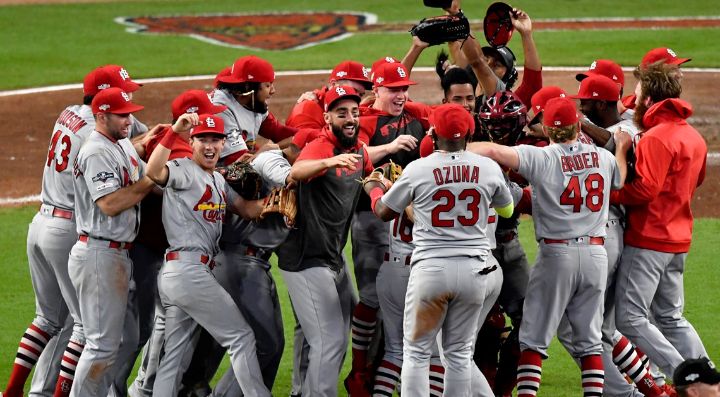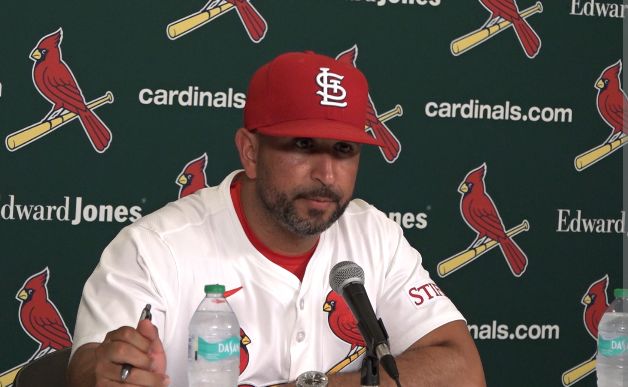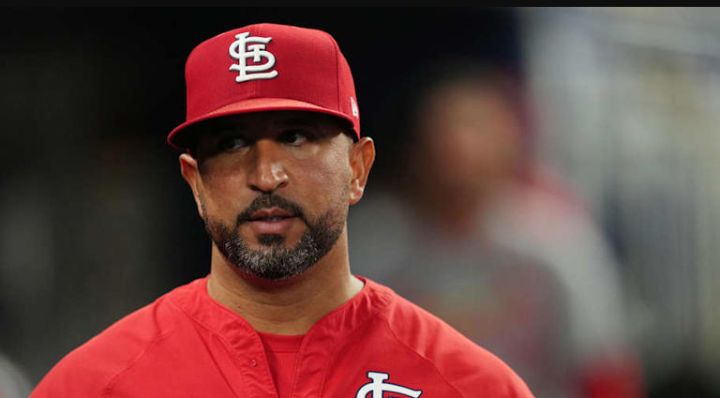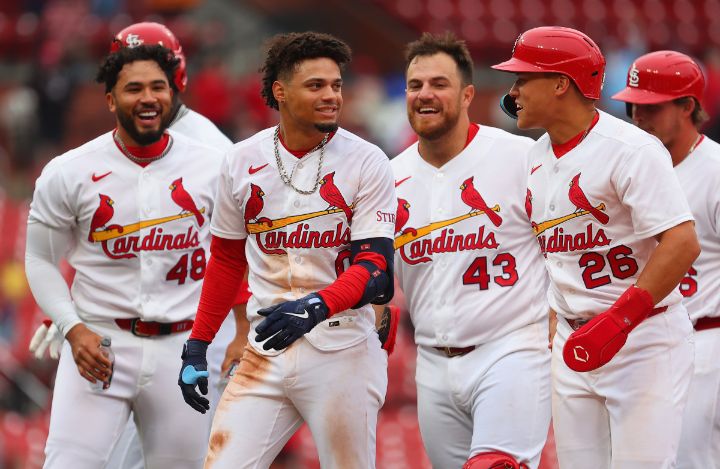
The tension surrounding the St. Louis Cardinals has reached a boiling point, and at the center of the storm is a question that once felt unthinkable: should the team bench one of its star players? It’s the kind of debate that splits a fanbase right down the middle—loyalty versus performance, reputation versus results.
For years, the Cardinals have built their identity on consistency, trust in veterans, and a culture that values patience. But baseball is a results-driven sport, and when a star player struggles for an extended period, even the most loyal supporters begin to ask difficult questions. That’s exactly where things stand now.
A Slump That Can’t Be Ignored
Every player goes through rough patches—it’s part of the game. But what’s alarming fans isn’t just a short slump; it’s the duration and impact of it. The Cardinals’ star, once a reliable force in the lineup, has seen a noticeable drop in production. Whether it’s a declining batting average, fewer extra-base hits, or an inability to deliver in clutch moments, the numbers tell a troubling story.
Fans watching game after game can feel the shift. At-bats that once inspired confidence now bring uncertainty. Opportunities with runners in scoring position are slipping away. And in a tightly contested division, those missed chances add up quickly.
The Loyalty Factor
One side of the debate argues that benching a star player would be a mistake—both strategically and culturally. The Cardinals have long prided themselves on standing by their players, especially those who have proven their worth over time. A temporary slump, they argue, shouldn’t erase years of production and leadership.
There’s also the psychological element. Benching a star could damage their confidence even further, potentially prolonging the slump rather than ending it. Baseball is as much a mental game as it is physical, and maintaining trust between players and the coaching staff is crucial.
Supporters of this viewpoint believe that the only way out is through—keep the star in the lineup, let them work through the struggles, and trust that talent will eventually win out.
The Case for Change
On the other side of the argument are fans who believe the team can’t afford to wait any longer. The season is unforgiving, and every game matters. If a player isn’t producing, their spot in the lineup should be up for grabs—no exceptions.
This group points to younger players and bench options who are hungry for opportunities. Why not give them a chance? A temporary benching doesn’t have to be a punishment; it can be a reset. A few games off could allow the struggling star to regroup, refine their approach, and return stronger.
There’s also a message to consider. Holding everyone accountable, regardless of status, reinforces a competitive culture. It tells the entire roster that performance matters above all else.
Clubhouse Implications
The decision isn’t just about one player—it affects the entire team dynamic. Benching a star could send shockwaves through the clubhouse. Some players might see it as a necessary step toward winning, while others could view it as a lack of loyalty.
Managers must walk a fine line. They need to balance honesty with support, ensuring that any decision made doesn’t fracture team chemistry. Communication becomes key. If the move is framed as a strategic adjustment rather than a demotion, it may be easier for everyone to accept.
The Manager’s Dilemma
For the Cardinals’ coaching staff, this situation is a true test of leadership. Do they stick with a proven veteran and hope for a turnaround? Or do they make a bold move that could either spark the team—or backfire dramatically?
There’s no easy answer. Benching a star player comes with risks. If the replacement struggles, the decision will be heavily criticized. If the team continues to lose, fans may question why the move was made in the first place. But if the change works—if the team starts winning and the star returns in better form—it could be seen as a turning point in the season.
Fan Reactions: A House Divided
Perhaps the most fascinating aspect of this debate is the reaction from fans. Social media, radio shows, and forums are filled with passionate opinions from both sides.
Some fans argue that loyalty should never outweigh performance. They believe the team’s ultimate goal is to win, and any decision that improves the chances of victory should be considered.
Others push back, emphasizing respect for what the player has accomplished. They warn against turning on a star too quickly, pointing out that slumps are temporary but damage to relationships can last much longer.
This divide reflects a broader question about sports culture: how should teams balance respect for the past with the demands of the present?
What Happens Next?
As the season progresses, the pressure will only intensify. Every at-bat, every game, and every missed opportunity will add fuel to the debate. The Cardinals’ decision-makers will need to act carefully, weighing both the short-term impact and the long-term consequences.
One thing is certain—doing nothing is also a choice, and it comes with its own risks.
If the star player turns things around, the calls for benching will fade, replaced by praise for patience. But if the struggles continue, the question will only grow louder: why didn’t they act sooner?
The debate over whether to bench a star player is never simple. It’s a complex mix of performance, psychology, leadership, and fan expectations. For the St. Louis Cardinals, it represents a defining moment in their season.
Should they stay the course and trust their star to rediscover form? Or should they make a bold move in pursuit of immediate results?
There may not be a perfect answer—but one thing is clear: whatever decision they make, fans will be watching, debating, and reacting every step of the way.