Tom Hicks, the prominent Texas businessman and philanthropist, passed away on Saturday at the age of 79. Hicks was widely known for his ownership of two major Dallas-based professional sports franchises—the NHL’s Dallas Stars and Major League Baseball’s Texas Rangers—as well as his involvement in the English Premier League as part owner of Liverpool FC. Hicks’ legacy extends beyond sports, as he was also a respected pioneer in private equity and investing.
Born and raised in Texas, Hicks became a key figure in both the business world and the sports industry. His journey into professional sports began in 1995 when he acquired the Dallas Stars, an NHL team that would go on to achieve significant success under his leadership. During his tenure, Hicks’ ownership culminated in the Stars winning the Stanley Cup in 1999. This victory marked one of the peak moments in the history of the franchise and solidified Hicks as an influential figure in Dallas sports.
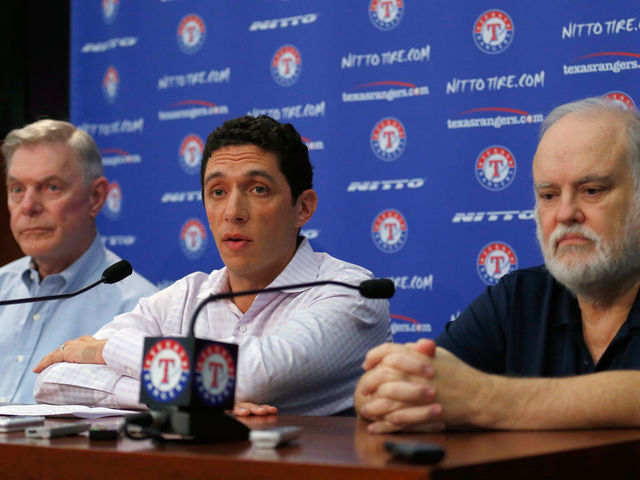
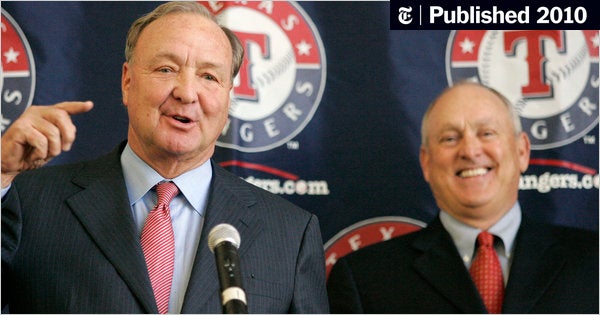
Hicks also owned the Texas Rangers from 1998 to 2010. Under his ownership, the Rangers achieved great strides, including three American League West Division titles. In 2010, the Rangers made a historic World Series appearance, although they ultimately fell short of securing a championship. Despite the Rangers’ World Series loss, Hicks’ contribution to the franchise was invaluable. His leadership played a significant role in shaping the team’s competitiveness, and his time as owner marked a period of significant growth and progress for the club.
In addition to his roles in hockey and baseball, Hicks made waves internationally in 2007 when he acquired a 50% stake in Liverpool FC, one of the most storied clubs in the English Premier League. This investment further extended Hicks’ influence in the world of professional sports, bringing his business acumen to the global soccer scene. Hicks’ involvement with Liverpool, however, was not without controversy. His time with the club was marked by significant financial difficulties, which ultimately led to his sale of the team in 2010. Despite these challenges, Hicks’ time with Liverpool FC is remembered as an era that had a lasting impact on the club’s international reach and financial infrastructure.
Throughout his career, Hicks’ business ventures extended beyond sports ownership. In 1984, he co-founded Hicks & Haas, a private equity firm that helped shape investing strategies in the financial sector. Hicks & Haas was known for its innovative approach to private equity, and Hicks’ leadership at the firm made him a key figure in reshaping how investments were managed. He was instrumental in developing new strategies in the private equity field, and his work in this area earned him significant recognition in the business community.
Hicks also served on the University of Texas Board of Regents from 1994 to 1999, further solidifying his role as an influential figure in Texas. His contributions to the university and its development were noted by many of his peers, and his legacy in both business and education continued to be felt long after his time on the board ended.
In a statement following his death, Jerry Jones, the owner of the Dallas Cowboys, shared his heartfelt condolences, remembering Hicks not just for his business success, but for the personal bond they shared. Jones described Hicks as a man who was deeply respected for his friendship, trust, and personal integrity. Their shared experiences, both in sports and business, created a lasting relationship that went beyond professional dealings. “Being shoulder to shoulder with him was always about more than ballparks and stadiums,” Jones said. “It was about personal respect, trust and friendship. We shared a lot of miles together, and I’ll miss him greatly.”
In addition to his business ventures, Hicks was also well-regarded for his philanthropic efforts. As a philanthropist, he was committed to various charitable causes and sought to make a positive impact on the communities around him. His commitment to giving back was a defining part of his legacy, and his contributions to Texas and beyond were felt through his support of numerous charitable organizations.
Hicks’ passing marks the end of an era for many who knew him. He was a pioneer in both business and sports, and his work had a lasting impact on the teams he owned, the communities he served, and the business world at large. His death was met with an outpouring of grief from those who knew him, including colleagues, business partners, and friends. Fellow Texas businessman Ross Perot Jr. reflected on Hicks’ innovative approach to both business and sports, describing him as a trailblazer who combined his passion for business with his love for sports through his ownership of the Stars and the Rangers. Perot’s statement highlighted Hicks’ role in reshaping the private equity landscape while simultaneously making an impact on the sports world.

Hicks is survived by his wife of 35 years, Cinda Cree Hicks, and their six children: Thomas Ollis Hicks Jr., Mack Hardin Hicks, John Alexander Hicks, Robert Bradley Hicks, William Cree Hicks, and Catherine Forgrave Hicks. In their joint statement, his children spoke warmly of their father, reflecting on his legacy as a family man first and foremost. “Of everything he accomplished in his remarkable life, Tom Hicks’s most cherished title was, ‘Dad,’” they said. “No matter the trials and tribulations he faced in life, he was constant in his generosity and love for his family. He remains a guiding force for our family, and we are deeply honored to continue expanding his legacy.”
Hicks’ passing has left a void in the Texas business and sports communities, but his legacy will undoubtedly live on through the many lives he touched. His family, friends, and colleagues remember him not only for his success as a businessman and sports owner but also for his integrity, generosity, and dedication to his family. As tributes pour in from across the world, it is clear that Tom Hicks’ influence will continue to resonate for years to come.
In many ways, Tom Hicks’ life was defined by his ability to balance the demands of business with his passion for sports, and his impact on both industries will be remembered as a testament to his vision and determination. While his time in sports ownership may have been marked by both triumphs and challenges, his overall contribution to the fields of business, philanthropy, and professional sports is undeniable. Hicks’ death may have brought an end to a remarkable chapter, but his legacy endures in the teams he led, the business ventures he pioneered, and the countless individuals whose lives he touched.

As the sports world and business community reflect on his passing, it is evident that Hicks’ legacy will remain a cornerstone of Texas’ sports history. The successes of the Dallas Stars and Texas Rangers during his ownership, as well as his influence on the world of private equity, will continue to be a part of the history of these organizations and the broader business landscape. Tom Hicks may be gone, but his impact will be felt for many years to come, as those who knew him continue to carry his legacy forward.
About the Author