The St. Louis Cardinals made their second round of Spring Training roster cuts on Monday, sending five players down to minor league camp as the organization continues to pare down its roster ahead of Opening Day. Among the most notable moves was the reassignment of left-handed pitcher Quinn Mathews, the organization’s No. 7 prospect, who impressed team officials with his velocity despite uneven statistics this spring. Mathews made three appearances during Grapefruit League play, logging seven innings pitched while allowing four earned runs for a 5.14 ERA that doesn’t fully capture the excitement surrounding his performance.
The 24-year-old flamethrower showcased the explosive fastball that made him the Cardinals’ No. 2 prospect heading into the 2025 season before an injury derailed his momentum and caused him to slide in the organizational rankings. Last year, Mathews pitched to a 3.73 ERA across 24 appearances, with 22 of those coming at the Triple-A level, demonstrating his ability to compete against advanced hitters despite the physical setback. The decision to send him down now reflects the Cardinals’ enviable depth in young pitching rather than any deficiency in Mathews’ game, as the organization can afford to be patient with his development. By reassigning him to minor league camp, the Cardinals allow Mathews to continue building innings and refining his craft without the pressure of competing for a rotation spot that realistically belongs to more experienced arms at this juncture. Team officials emphasized that Mathews is very much on the doorstep of the majors, and his spring performance only reinforced that assessment.
The velocity readings throughout his appearances were particularly encouraging, suggesting that the left-hander has fully recovered from whatever slowed him during the previous season. If Mathews can carry this momentum into the minor league season, he should be the first name called upon should an injury or ineffectiveness create an opening in the St. Louis rotation. His path to the big leagues remains clear, and a 2026 debut seems increasingly likely if he pitches in the minors to kick off the season the way he pitched in Spring Training.
The same day brought news of another significant prospect reassignment, as infielder Joshua Báez was also sent down after an explosive camp that raised eyebrows throughout the organization. Báez, ranked as the Cardinals’ No. 4 prospect, displayed the kind of right-handed power that the major league roster currently lacks, making his demotion bittersweet for team officials who watched him mash home runs and drive the ball to all fields throughout February and March. While Báez won’t break camp with the big league club, his performance served notice that his time is coming sooner rather than later. The Cardinals have identified a need for right-handed power in their lineup, and Báez fits that profile perfectly.
If he can carry the momentum he built during Spring Training into the minor league season, he could force the organization’s hand and earn a promotion well before the trade deadline. His reassignment, like Mathews’, is about timing and opportunity rather than any lack of readiness. The Cardinals have veteran options occupying positions Báez might otherwise fill, and the organization prefers that he receive everyday at-bats in the minors rather than sitting on a major league bench. That philosophy makes sense for a prospect of his caliber, as consistent playing time will accelerate his development and ensure that when he does arrive in St. Louis, he’s prepared to contribute immediately. The spring power display was particularly encouraging because it addressed the primary question mark surrounding Báez’s game. Scouts have always believed in his bat-to-ball skills and defensive versatility, but questions about his raw power output lingered.
Those questions received emphatic answers during Grapefruit League action, as Báez consistently drove the ball with authority against both fastballs and off-speed offerings. The Cardinals announced their roster moves via social media, with the official team account tweeting that the spring roster now stands at 46 players following the latest round of cuts. The tweet included a graphic showing the players reassigned, with Mathews and Báez headlining the group alongside three other minor league depth pieces who impressed during their time in big league camp. For Mathews specifically, the reassignment represents a continuation of his remarkable journey through the Cardinals system. He entered professional baseball with relatively modest expectations but quickly exceeded them through sheer performance and an unwavering work ethic.
His stuff played up immediately upon turning pro, and he shot through the lower levels before establishing himself at Triple-A. The injury last season threatened to derail that trajectory, but Mathews approached his rehabilitation with the same intensity he brings to his between-starts preparation. Reports from his throwing sessions during the offseason indicated that he had regained his velocity, and those reports were confirmed when he took the mound this spring and pumped mid-to-upper 90s fastballs past overmatched hitters. The Cardinals have built a reputation for developing pitching talent, and Mathews represents the next wave of arms ready to contribute at the highest level. Behind him in the system, more talented pitchers are waiting their turns, creating a virtuous cycle of competition and development that should serve the organization well for years to come. The depth allows the Cardinals to be patient with Mathews, ensuring that when he does arrive, he’s fully prepared to handle the rigors of a major league season rather than being rushed before his time.
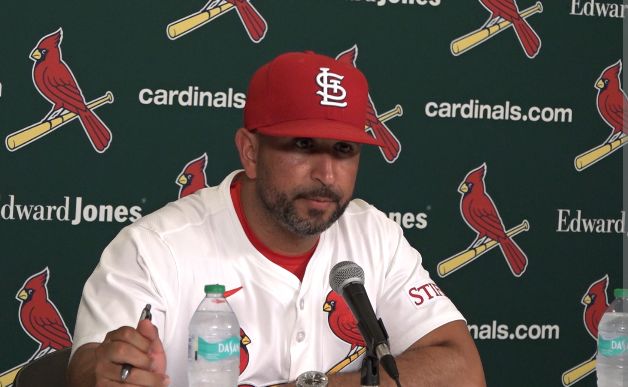
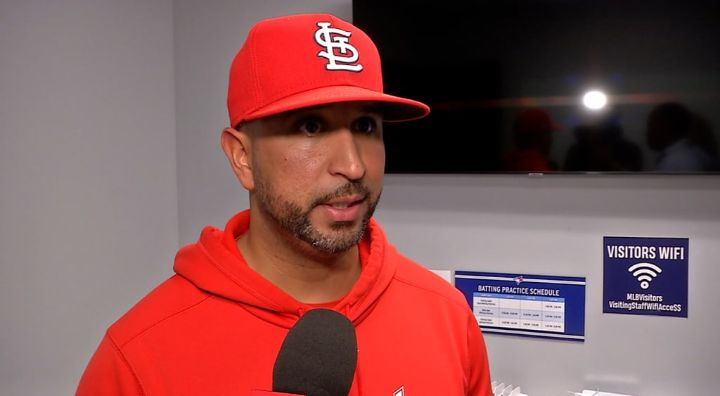
Manager Oliver Marmol has spoken repeatedly this spring about the importance of building innings and maintaining arm health for young pitchers, and the decision to send Mathews down aligns perfectly with that philosophy. Rather than keeping him in major league camp where his innings would be limited and his role uncertain, the Cardinals can send Mathews to the minors where he’ll operate as a starter on a regular five-day schedule, building the workload necessary to sustain a full season. The approach is conservative but wise, prioritizing long-term development over short-term need. Should injuries strike the rotation at any point, Mathews will be ready, stretched out and prepared to step into a major league game and compete immediately.
His spring performance suggested that the stuff is major league ready, even if the innings total isn’t quite there yet. The Cardinals also announced the reassignment of infielder Thomas Saggese, who has shown enough in camp to keep himself firmly on the organizational radar despite being optioned out. Saggese’s path to the big leagues appears increasingly clear as he continues to demonstrate the kind of contact skills and defensive reliability that play well in supporting roles. Like Mathews and Báez, Saggese will benefit from regular playing time in the minors rather than sporadic appearances in the majors, and his reassignment comes with the understanding that he’s very much in the mix for future opportunities.
The Cardinals face difficult roster decisions every spring, and the current depth means that talented players will inevitably begin the season in the minors regardless of how well they perform during exhibition games. That reality creates both challenges and opportunities for the organization, as they must manage the disappointment of deserving players while maintaining the depth that makes such depth possible in the first place. Communication becomes critical in these situations, and the Cardinals have made a concerted effort to ensure that reassigned players understand the reasoning behind the decisions and the path forward. For Mathews, the message is clear: continue building innings, maintain the velocity gains, and be ready when the phone rings. For Báez, the directive is equally straightforward: keep hitting for power, force the issue, and force the organization to create space for his bat in the lineup. Both players have demonstrated the capability to follow those instructions, and both should see major league time at some point during the 2026 campaign. The Cardinals’ spring roster now stands at 46 players, meaning further cuts are forthcoming as Opening Day approaches. Each round of reassignments brings the organization closer to its final configuration, and each round brings with it the difficult conversations that define this time of year.
For Mathews and Báez, those conversations ended with minor league assignments that represent detours rather than derailments. Both remain integral to the Cardinals’ long-term plans, and both should contribute meaningfully to the organization’s success in the years ahead. Their reassignments reflect the Cardinals’ depth rather than any deficiency in their respective games, and both will have opportunities to prove that they belong at the highest level sooner rather than later. The organization’s commitment to patient development should pay dividends when these prospects eventually arrive in St. Louis, fully prepared to contribute to winning baseball. Until then, they’ll continue their work in the minors, building toward the major league careers that await them.