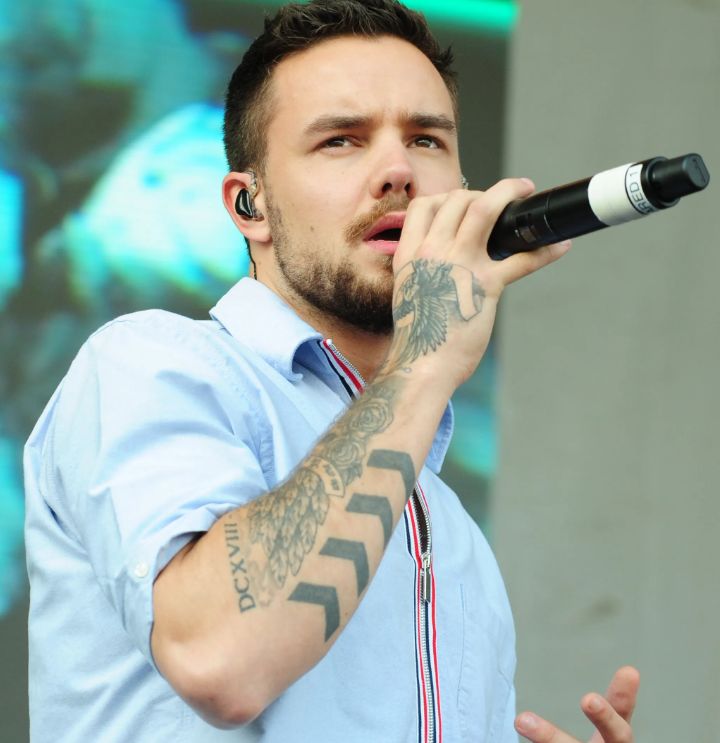
Fame is often sold as the ultimate reward—money, admiration, access, and immortality in pop culture. But Netflix Presents: Liam Payne – The Fame That Broke a Star dismantles that fantasy piece by piece. This deeply personal documentary offers an unflinching look at how sudden global stardom can fracture identity, strain mental health, and leave lasting emotional scars. At its center is Liam Payne, not as a pop icon, but as a human being trying to understand what fame took from him before he knew what it gave.
Rather than celebrating success, the film interrogates it. It asks what happens when the world knows your name before you truly know yourself.
The Birth of a Global Star
Liam Payne’s rise began in his teenage years, fueled by talent, ambition, and opportunity. His life changed irrevocably when he became part of One Direction, a group that would go on to dominate global music charts, sell out stadiums, and define an era of pop culture.
The documentary revisits this meteoric ascent with a mix of archival footage and reflective commentary. Fans screaming, media flashing, tours blending into one another—it all happened at breathtaking speed. What’s striking is how little time there was to adjust. Adolescence, normally a period of exploration and self-discovery, was replaced by schedules, expectations, and constant surveillance.
The film subtly highlights a central contradiction: the same system that creates stars rarely teaches them how to survive as people.
Living Inside the Spotlight
As the documentary unfolds, fame is portrayed less as a privilege and more as a permanent state of exposure. Liam describes life without privacy, where every action is documented, interpreted, and judged. Even silence becomes a statement. Even exhaustion must be hidden behind a smile.
The film emphasizes how relentless attention reshapes reality. Normal experiences—friendships, mistakes, emotional lows—are no longer private. They become public property, dissected online and frozen forever. Over time, this constant performance erodes the boundary between the real person and the manufactured image.
In this world, rest feels like failure, and vulnerability feels dangerous.
Pressure Without a Pause Button
One of the documentary’s most haunting elements is its portrayal of burnout. Tours bled into recordings, interviews into rehearsals, with no real space to stop. Liam speaks about being physically present but mentally absent, functioning on autopilot because slowing down felt impossible.
The film avoids exaggeration, instead letting the weight of repetition speak for itself. Fame, it suggests, does not break people through one dramatic collapse, but through thousands of small moments where needs are ignored in favor of productivity.
This is where the documentary quietly indicts the entertainment industry—not through accusations, but through lived experience.
The Fracturing of Identity
Perhaps the most emotionally powerful theme is identity loss. Liam reflects on how his sense of self became entangled with public expectations. When millions project who they think you are, it becomes difficult to hear your own voice.
The documentary explores how branding, fandom narratives, and media caricatures can trap artists in versions of themselves that feel increasingly hollow. Growth becomes risky because deviation invites backlash. Reinvention becomes a threat rather than a necessity.
In this environment, Liam describes feeling disconnected—from himself, from others, and from reality beyond the spotlight.
Mental Health Behind the Applause
The Fame That Broke a Star stands out for its sober, respectful treatment of mental health. Anxiety, isolation, and emotional numbness are discussed not as dramatic plot points, but as consequences of sustained pressure and suppressed emotion.
The film rejects the myth that success insulates against pain. Instead, it shows how fame can amplify vulnerabilities, especially when support systems are weak or conditional. Liam’s reflections are quiet but heavy, underscoring how easy it is for struggles to be dismissed when surrounded by applause.
What makes these moments powerful is their restraint. The documentary trusts the audience to sit with discomfort rather than consume it as entertainment.
After the Group, After the Noise
Following the hiatus of One Direction, the silence was not relief—it was confrontation. Without the structure of the group, Liam faced the challenge many artists encounter after massive success: who am I without the machine around me?
The documentary examines this transition honestly, showing how freedom can feel destabilizing when identity has long been externally defined. There is no romanticized “fresh start” here—only confusion, reflection, and slow recalibration.
Healing, the film suggests, is not linear. It requires unlearning survival habits that once felt necessary.
Reckoning and Responsibility
Importantly, the documentary does not present Liam as a passive victim. He speaks openly about personal accountability, unhealthy coping mechanisms, and moments he wishes he had handled differently. This balance gives the story credibility and depth.
Growth is portrayed as uncomfortable work—therapy, self-examination, and accepting that some damage cannot be undone, only understood. The film resists tidy redemption arcs, choosing honesty over inspiration.
A Mirror for Celebrity Culture
Beyond Liam’s personal journey, the documentary functions as a critique of modern celebrity culture. It challenges audiences to reflect on their own role as consumers of fame. Every click, comment, and expectation contributes to an ecosystem that rewards visibility while neglecting wellbeing.
The film quietly asks: do we love artists for who they are, or for what they provide?
Why This Story Matters
Netflix Presents: Liam Payne – The Fame That Broke a Star matters because it reframes fame as a psychological experience, not a fantasy. It gives language to struggles many artists endure privately and normalizes conversations about mental health in high-performance industries.
For fans, it humanizes an idol. For non-fans, it offers insight into a system that prioritizes output over people. And for anyone navigating pressure, it serves as a reminder that success without self-connection can be deeply damaging.
Final Reflection
This documentary is not comfortable, flashy, or indulgent—and that is its strength. It is slow, reflective, and emotionally honest. Liam Payne’s story becomes a case study in what happens when the world applauds faster than a person can grow.
The Fame That Broke a Star ultimately leaves viewers with a sobering truth: fame can amplify everything—talent, opportunity, and pain. What determines survival is not visibility, but care, boundaries, and the courage to step back and rebuild.
In telling this story, Liam reclaims something fame once took from him—his voice, on his own terms.