The Buffalo Bills are officially turning the page on a bittersweet end to the 2025 season and setting their sights on what promises to be a transformative 2026 campaign. With a new stadium on the horizon and a franchise quarterback entering the prime of his career, the organization has given fans a glimpse of the future by unveiling a commemorative logo for the inaugural season at the revamped Highmark Stadium. The announcement marks a pivotal moment in team history, blending nostalgia for the past with the excitement of a new home designed to elevate both player performance and fan experience.
The close of the 2025 season carried emotional weight for the Bills and their loyal supporters. After more than five decades at their longtime venue—a stadium that witnessed countless memories, from the glory years of the early 1990s to the Josh Allen renaissance—the team played its final game there in Week 18 against the New York Jets. That contest served as a bittersweet farewell, sending the team off to the playoffs with a wild-card berth. Though the postseason run ended on the road earlier than hoped, the closing of that chapter has now given way to a forward-looking vision that officially begins with the 2026 season.
On Monday, the Bills took to social media to unveil a striking new logo designed to commemorate the opening of the newly constructed Highmark Stadium. The emblem features the team’s iconic charging buffalo at its center, framed within a circular crest that includes a stylized rendering of the new stadium in the background. According to the team’s official website, the logo symbolizes the dawn of a new era for football in Western New York—a fusion of tradition and innovation as the franchise settles into its state-of-the-art home. The venue, described as a “football-first” facility, is scheduled to host its first regular-season game this fall, and the logo will make its on-field debut as a jersey patch during the team’s home opener.
This unveiling follows a separate commemorative logo used last season to honor the old stadium, which had served as the team’s home since the early 1970s. That venue hosted not only Bills games but also generations of fans who braved the elements to cheer on their team. Now, as the organization transitions to a modern facility, the new branding reflects both a respect for the past and an embrace of the future. The crest design carries a timeless quality, evoking the kind of classic sports emblems associated with championship-caliber franchises.
Beyond aesthetics, the new stadium represents a significant investment in player safety and performance—areas where quarterback Josh Allen has been particularly vocal. The facility will feature a custom-engineered natural grass playing surface, developed through specialized growing technology that prioritizes durability and traction. This decision aligns with growing advocacy from the NFL Players Association, which has repeatedly called for all 32 teams to move away from synthetic turf due to injury concerns. A 2024 NFLPA player poll indicated that 92% of players prefer natural grass, citing better footing and reduced wear on joints.
Allen, who has become the face of the franchise since being drafted in 2018, expressed his approval during an appearance on The Pat McAfee Show last year. When asked about the playing surface at the new stadium, he offered a simple, emphatic response: “We’re grass, brother. We were told about it. We like grass.” His endorsement carries weight, not only as the team’s leader but also as a player whose physical style of play—combining powerful rushing with downfield passing—places unique demands on the field. A natural surface could help mitigate some of the wear and tear that comes with his aggressive approach, potentially extending his career and maintaining his effectiveness deep into seasons.
The stadium’s design also addresses one of the most distinctive challenges of playing in Orchard Park: the weather. While the facility is not a dome, it incorporates a partial roof that covers the majority of seating areas, shielding fans from the elements while reducing wind turbulence on the field. For decades, Highmark Stadium’s predecessor was known for its swirling winds and lake-effect snow, conditions that occasionally disrupted passing games and kicking accuracy. The new design aims to preserve the outdoor football atmosphere that fans cherish while minimizing the unpredictable gusts that often made Orchard Park one of the NFL’s most challenging environments for quarterbacks.
For Allen, this combination of a natural playing surface and improved weather conditions could unlock even greater consistency. Over the past several seasons, he has established himself as one of the league’s premier talents, earning Pro Bowl selections and leading the Bills to multiple playoff appearances. His ability to make off-platform throws and extend plays with his legs has become his trademark, but those same qualities also expose him to higher risks of injury. A field designed with player health in mind, paired with a stadium layout that reduces environmental variables, may allow him to play with greater confidence and control.
The team has not yet released the full 2026 schedule, though fans can expect that announcement in April. The coming months will bring heightened anticipation as the Bills prepare to christen their new home. Season ticket holders, many of whom have waited years for this transition, are eager to see how the stadium enhances the game-day experience. Early renderings suggest modern amenities, improved sightlines, and expanded concourses, all designed to compete with the league’s newest venues while retaining the blue-collar identity that defines Buffalo football.
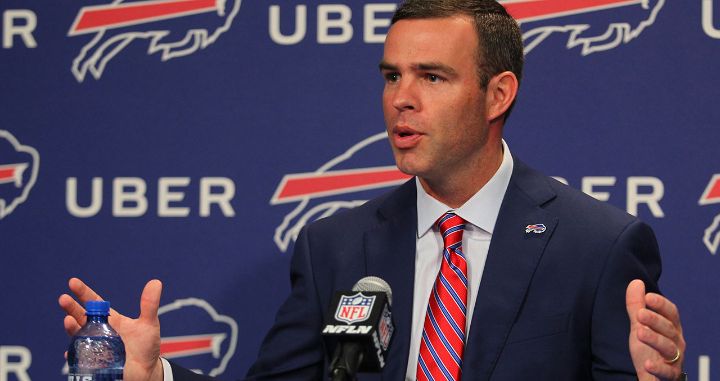
From a competitive standpoint, the 2026 season carries added significance beyond the new surroundings. The Bills enter the year with a roster built to contend, anchored by Allen and supported by key playmakers on both sides of the ball. General manager Brandon Beane has consistently emphasized building through the draft and retaining core talent, a strategy that has kept Buffalo in contention even as other AFC powers reload. The opening of a new stadium often provides a psychological boost, and the Bills will aim to channel that energy into a deep playoff run.
For head coach Sean McDermott, the transition represents both an opportunity and a challenge. McDermott has cultivated a culture of resilience and accountability since taking the helm in 2017, guiding the team through the highs of division titles and the lows of heartbreaking playoff exits. The new stadium offers a blank slate—a chance to establish new traditions while maintaining the competitive edge that has defined his tenure.

Off the field, the economic and cultural impact of the new stadium cannot be overstated. Western New York has long rallied around the Bills as a source of regional pride, and the construction of a modern facility signals long-term commitment to keeping the franchise in Buffalo. Debates over stadium funding and location dominated headlines in recent years, but with the ribbon-cutting approaching, the focus has shifted to the future. Local businesses, hospitality industries, and community organizations are preparing for an influx of visitors on game days, hoping to replicate the electric atmosphere that made the old stadium legendary.
As the 2026 season draws nearer, the Bills are carefully crafting a narrative of renewal. The new logo, the upgraded stadium, and the continued presence of Josh Allen under center all point toward a franchise poised for sustained success. While the ghosts of past seasons—the missed opportunities, the narrow defeats—remain part of the team’s story, the future offers a chance to write a new chapter.
In many ways, the unveiling of the stadium logo is more than a marketing move. It is a declaration of intent. The Buffalo Bills are not merely opening a new building; they are launching a new era, one built on the foundation of a loyal fan base, a superstar quarterback, and a facility designed to compete at the highest level. For a city that has waited half a century for another championship, the promise of 2026 carries the weight of generations.