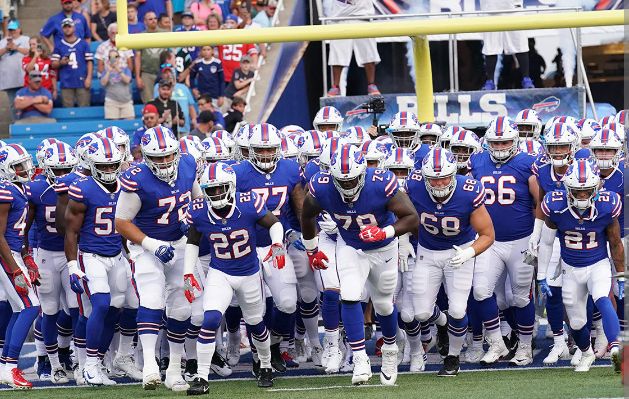
The NFL offseason is officially in full swing, and for the Buffalo Bills, it represents a period of recalibration rather than destruction. Unlike some franchises staring down the barrel of a complete teardown, the Bills find themselves in the enviable position of retooling on the fly. With Josh Allen under center, the Super Bowl window remains propped wide open, even as General Manager Brandon Beane works to address the inevitable churn of free agency and the salary cap. The defensive side of the ball is expected to see significant turnover, but the core offensive identity—and the franchise quarterback leading it—ensures that Buffalo will remain a contender in the AFC for the foreseeable future.
The same sense of stability, however, cannot be found approximately 1,400 miles to the southeast. The Miami Dolphins, Buffalo’s divisional rivals, are in the midst of a full-scale organizational reset. Following a disappointing 2025 campaign that saw the team miss the playoffs and question the viability of their star-laden but underperforming roster, the Dolphins cleaned house. In came Jon-Eric Sullivan and Jeff Hafley to lead a new football operations regime, and with them came the harsh fiscal reality of roster construction. The first and most seismic move of their offseason arrived on Monday afternoon, sending shockwaves through the AFC landscape.
Adam Schefter broke the news that the Miami Dolphins were releasing veteran wide receiver Tyreek Hill. The transaction, while jarring given Hill’s stature as one of the most electrifying players of his generation, was not entirely unexpected. The financial incentives were glaring; releasing Hill provided the Dolphins with significant salary cap relief as they embark on a rebuild, clearing space to invest in younger talent and address multiple roster deficiencies. Furthermore, the physical toll of the previous season complicated Hill’s future in Miami. A devastating lower-body injury—reported as a dislocated knee and torn ACL—suffered during the 2025 campaign sidelined him and raised legitimate questions about his long-term durability and explosiveness. At 32 years old and coming off the most severe injury of his professional career, the release marked the end of an explosive but ultimately unfulfilled era in South Florida.
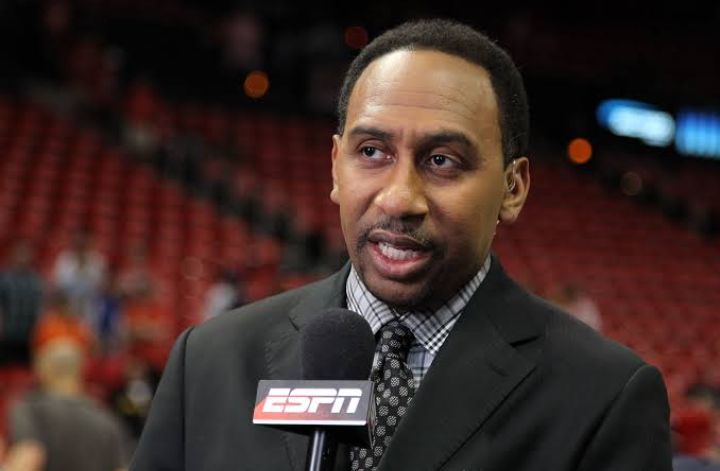
As news of Hill’s availability ricocheted across the sports media landscape, the immediate speculation turned to his next destination. Despite the injury and his age, the allure of a future Hall of Fame talent hitting the open market is irresistible to both fans and talking heads. Chief among those weighing in was ESPN’s Stephen A. Smith, who during a Monday episode of First Take, offered his assessment of where Hill should land. Smith’s list of preferred destinations, however, was one that likely caused a collective groan from the Buffalo faithful.
“It should be Kansas City, Buffalo, or Baltimore,” Smith declared, rattling off three AFC powerhouses with legitimate Super Bowl aspirations and franchise quarterbacks. Smith elaborated on his reasoning, suggesting that while a return to the Kansas City Chiefs—where Hill spent the first six years of his career and won a Super Bowl—made the most sentimental and schematic sense given his existing chemistry with Patrick Mahomes, both the Bills and Baltimore Ravens presented equally compelling opportunities to compete for championships immediately. For Bills Mafia, the idea of adding a player of Hill’s caliber to an offense already piloted by Allen is the kind of fantasy that dominates barstool conversations and message board threads. But according to the analysis provided here, that fantasy should remain exactly that.
A deeper examination of the fit between Hill and the Bills reveals a partnership that is far less promising than it appears on the surface. The primary concern centers on the concept of timing and physical decline. The Tyreek Hill of 2023 or 2024 was a transcendent force, a human joystick whose 4.2 speed warped defensive game plans and created explosive plays at will. Had he been available two years ago, the argument for the Bills emptying their coffers to acquire him would have been not just compelling, but imperative. Back then, he was the same player who tormented Buffalo’s secondary twice a year, using his unparalleled acceleration to turn short slants into 75-yard touchdowns. He was the missing piece, the true number-one boundary weapon that could have elevated Allen’s supporting cast to the level of the Chiefs’ receiving corps.
But the wide receiver who will be available in free agency this spring is not that player. Father Time remains undefeated in the NFL, and for receivers who rely as heavily on explosive, start-and-stop athleticism as Hill does, the decline can be precipitous. At 32 years old, he is entering the phase of his career where production typically begins to wane. More critically, he is attempting to return from a catastrophic knee injury. A dislocated knee combined with a torn ACL is a brutal recovery process for any athlete, but for one whose game is built upon sharp cuts and breathtaking speed, it represents an existential threat to his effectiveness. There is no guarantee he will be ready for the start of the 2026 season, and even if he is, there is significant risk that he will be a shell of his former self.
Beyond the physical concerns, there is the matter of financial and strategic roster construction. The Bills have cap considerations of their own to manage, and committing significant long-term money to an aging, injured receiver would be a gamble that runs counter to Beane’s typically disciplined approach. While the Bills indeed “desperately need a true go-to wideout for Josh Allen,” as the analysis states, desperation cannot lead to poor decision-making. Investing premium capital in Tyreek Hill at this stage of his career carries the hallmarks of a move made for headlines rather than hardware. The contract he seeks would likely be substantial, and allocating those resources to a player who may never regain his All-Pro form would handicap the Bills’ ability to address other pressing needs, such as the defensive line, secondary depth, and the offensive trenches.
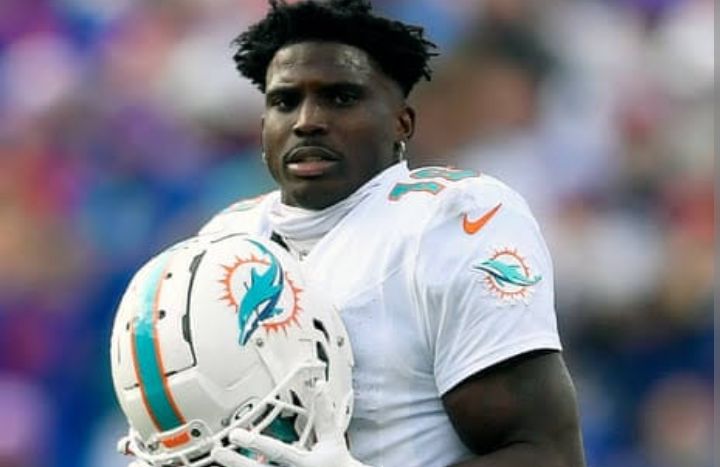
Unless Hill were willing to join the Bills on an eminently reasonable, incentive-laden contract that protects the team if he cannot return to form, Buffalo has no business engaging in this particular sweepstakes. The team has already invested significant draft capital and free agency dollars into the receiver position in recent years, with mixed results. Adding another aging veteran to a room that lacks a true alpha feels like a shortcut that leads nowhere. The wiser, more sustainable path lies in the draft. The 2026 wide receiver class is projected to have depth and talent, and the Bills are positioned to select a young, cost-controlled playmaker who can grow with Allen over the next four to five years. A rookie would provide fresh legs, a clean bill of health, and the financial flexibility to continue building a complete roster around the franchise quarterback.
Ultimately, the siren song of a big-name signing like Tyreek Hill is seductive, but for the Buffalo Bills, it is a trap. The division rival may have just created a splashy headline by cutting him loose, but Buffalo’s front office would be wise to let another team make the mistake of overpaying for what Hill used to be. The path to a Super Bowl runs through Kansas City, Baltimore, and Cincinnati—not through signing veteran receivers on the downside of legendary careers. For Josh Allen and the Bills, the answer at wide receiver is not waiting by the phone for Stephen A. Smith’s recommendation; it is found in the meticulous, patient work of scouting and development. Sometimes, the best move is the one you don’t make.