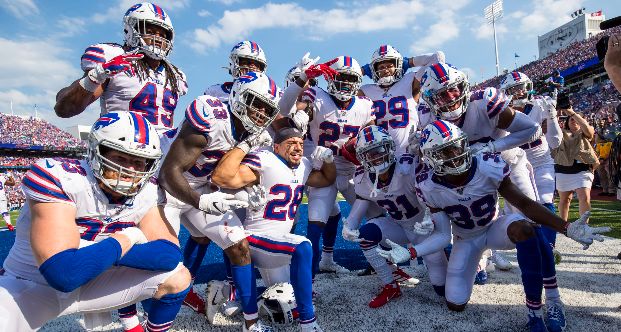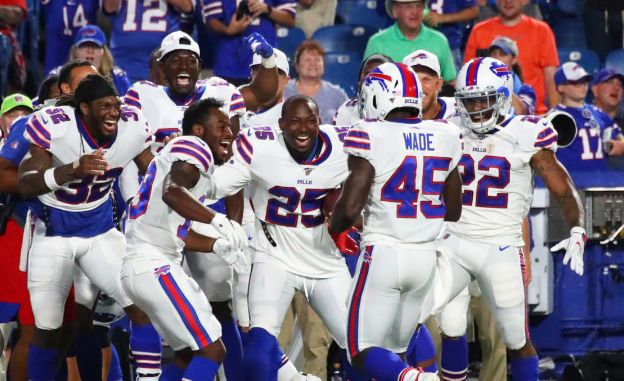
For decades, the soundtrack of a Buffalo Bills game was unmistakable. It was the guttural roar of a cold, windy stadium, the crinkle of a parka, and the unifying chorus of the “Shout” song after every touchdown. It was a soundtrack of stubborn optimism in the face of a decades-long championship drought.
But in recent years, a new, unexpected anthem has crept into the game-day experience, transforming the concourses and parking lots of Highmark Stadium. The Killers’ 2004 indie-rock anthem, “Mr. Brightside,” has become an unlikely tradition for Bills Mafia. It’s a song about jealousy, paranoia, and romantic ruin—a far cry from the triumphant horns of a victory song. Yet, it has resonated with the fanbase in a way few could have predicted. As the team looks ahead to next season, a question hangs in the chilly Western New York air: Should the Bills continue the “Mr. Brightside” tradition?
To answer this, we have to look at the song’s improbable rise. It didn’t start with a marketing campaign or a team endorsement. It was organic, bubbling up from the fanbase itself. Perhaps it was the sheer, cathartic energy of the song—its driving guitar riff and Brendan Flowers’ desperate, building vocals—that perfectly mirrors the emotional state of a Bills fan. Following a team with a history of heartbreaking losses requires a certain level of emotional masochism, a willingness to “come out of my cage and I’ve been doing just fine” despite all evidence to the contrary. The song’s frantic energy became a perfect vessel for the pre-game anticipation and the collective anxiety of watching a game where anything can, and often does, happen.
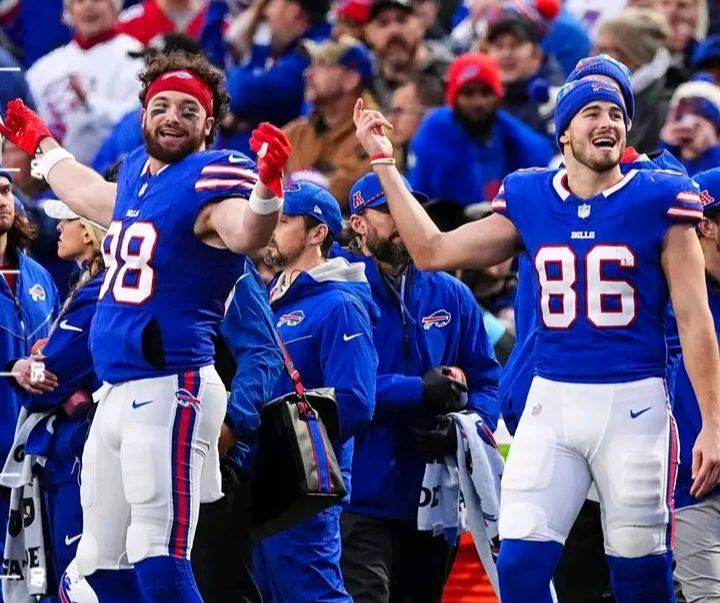
In the stands and at tailgates, the tradition took hold. A sea of red, white, and blue—often clad in the jersey of Josh Allen or Stefon Diggs—would erupt into a full-throated, slightly unhinged singalong. It became a moment of unity, a shared cultural touchstone that connected the die-hards who remember the four straight Super Bowl losses with the new generation of fans who have only known the Josh Allen era. It was a declaration of identity: we are not just any fanbase; we are Bills Mafia, and we will scream this song about emotional turmoil at the top of our lungs before we go and cheer our hearts out. It was weird, it was wonderful, and it was undeniably authentic.
However, with organic growth comes a critical inflection point. When a tradition reaches a certain level of popularity, the risk of corporatization looms. The question for next season isn’t just about the fans; it’s about the institution. If the team, the stadium DJ, or even the players begin to push the song too hard, does it lose its magic? The moment “Mr. Brightside” transitions from a spontaneous, fan-driven eruption to a scheduled, jumbotron-led “moment,” it risks becoming just another piece of in-game entertainment, like the “Macarena” or the wave. The soul of the tradition is its organic chaos. Forcing it could drain it of the very authenticity that made it special.
Furthermore, we must consider the song’s lyrical content in the context of a football game meant to inspire and unite. It’s a song of crushing jealousy (“Jealousy, turning saints into the sea”). It’s a narrative of being cheated on and experiencing a mental breakdown over it. While the energy is infectious, the subject matter is a bizarre choice for a team’s unofficial anthem. It works on a meta-level for a long-suffering fanbase, but does it work as a pump-up song for a team that is now a perennial Super Bowl contender? There’s a cognitive dissonance between the song’s theme of personal defeat and the on-field goal of gridiron victory.
And yet, that dissonance might be the very point. For a fanbase whose identity is so deeply intertwined with resilience, singing a song about hitting rock bottom before watching their team attempt to scale the mountain top is a uniquely Bills Mafia thing to do. It’s a nod to the past while screaming into the future. It’s the musical embodiment of the “Bills MAFIA” moniker itself—a term originally used as an insult that was reclaimed and worn as a badge of honor. The song has become a part of the team’s modern folklore, a piece of the intangible culture that makes playing in Buffalo a uniquely intimidating experience for opposing teams.
So, should the tradition continue next season?
Unequivocally, yes. But with a crucial caveat.
The Bills organization and its media partners must handle this tradition with care. The role of the stadium should not be to lead the charge, but to facilitate it. They should recognize the energy when it starts to build organically. When that unmistakable guitar riff begins to blare from a portable speaker in the lot or starts to echo through the stands, the stadium sound system can gently amplify it, letting the fans remain the conductors of this chaotic orchestra. They can acknowledge it without claiming ownership of it.
To kill the tradition now would be to ignore a powerful cultural current within the fanbase. It would alienate a generation of fans for whom this song has become synonymous with game day. To over-commercialize it, turning it into a scripted, recurring bit, would be just as damaging. It would transform a moment of genuine, unfiltered fan expression into a hollow, corporate echo.
The Mr. Brightside tradition is a beautiful, bizarre, and perfectly imperfect reflection of the Buffalo Bills and their fans. It captures the anxiety, the passion, the history of heartbreak, and the undying hope all in one four-minute burst of pure energy. Next season, and for seasons to come, the only people who should decide if the tradition lives on are the fans freezing in the lots and packed into the stands. As long as they continue to feel the need to come out of their cage and do just fine, the answer will be a resounding yes. Let the tradition live, not as a scheduled event, but as the spontaneous, cathartic release it was always meant to be.