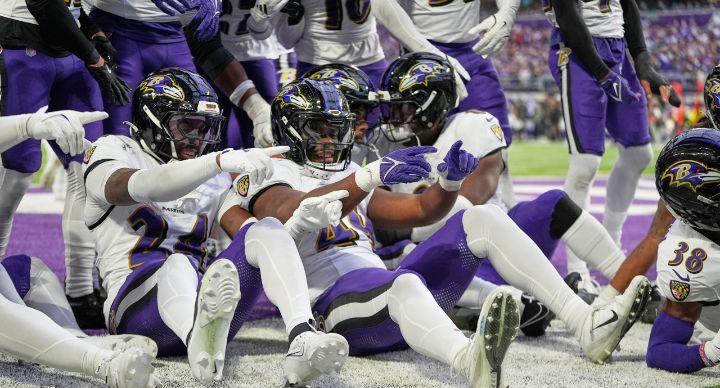
In the ever-evolving landscape of the National Football League, where salary cap management and strategic roster construction are as crucial as on-field performance, the potential movement of star players often defines an offseason. A recent speculative prediction has cast a spotlight on the Baltimore Ravens and the New York Giants, suggesting a significant transaction that would send veteran cornerback Marlon Humphrey from Maryland to the Big Apple. This proposed trade is not merely a simple player swap; it represents a confluence of financial strategy, coaching reunions, and competitive recalibration for both franchises as they look toward the 2026 season and beyond.
The Foundation of the Prediction
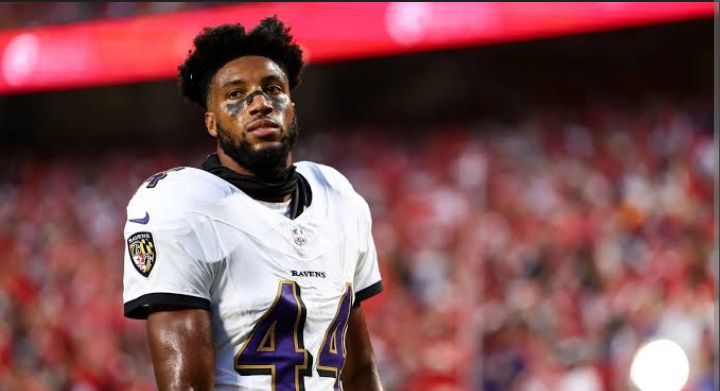
The core of this prediction hinges on several interconnected factors: contract economics, age-performance curves, and team needs. Marlon Humphrey, a cornerstone of the Ravens’ secondary since being drafted in the first round in 2017, is entering the final year of a substantial five-year, $97 million contract extension signed in 2020. By the 2026 offseason, he will be 30 years old, an age where the physical demands of the cornerback position begin to warrant careful consideration. For the Ravens, a team perennially navigating tight cap constraints due to a roster rich with talent, Humphrey’s contract presents both a value and a liability.
Financially, moving on from Humphrey, particularly with a post-June 1st trade designation, could create approximately $20 million in much-needed salary cap space for Baltimore. This capital is vital for a franchise that must continually address contract extensions for its homegrown stars, manage free agency, and retain the flexibility to build a complete roster. The Ravens have a demonstrated history of making difficult, proactive decisions with veteran players a year early rather than a year late, prioritizing long-term organizational health over sentimental attachment. The potential trade of Humphrey fits squarely within this pragmatic philosophy.
Humphrey’s Current Value and Fit in Baltimore
To understand the rationale behind such a move, one must assess Humphrey’s current standing. By any measure, he remains a high-caliber starting cornerback in the NFL. In the 2025 season, he started 15 games and secured four interceptions, demonstrating his playmaking instincts and ball-hawking ability. Just two years prior, in 2024, he earned his second All-Pro selection with a stellar six-interception campaign, reaffirming his status among the league’s elite at his position.
However, the 2025 season also revealed moments of vulnerability. Analysts noted occasional struggles in coverage, particularly against quicker, shiftier receivers. While far from a liability, these instances signal the natural progression of an athlete’s career. The Ravens must weigh his still-formidable skills against the cost of his contract and the opportunity to reinvest those resources elsewhere—perhaps in younger defensive backs, the offensive line, or securing other core players.
Humphrey’s versatility is a key part of his value. He has excelled both on the boundary as an outside corner and in the slot, a rare trait that allows defensive coordinators immense flexibility in their schemes. For Baltimore, this has been invaluable. Yet, the emergence of younger talents in the secondary could make the front office more comfortable exploring a transition.
The New York Giants’ Perspective: A Logical Destination
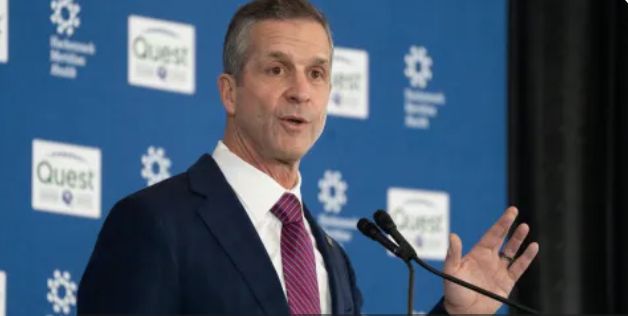
From the Giants’ viewpoint, this potential trade is compelling for several reasons, chief among them being the presence of Head Coach John Harbaugh. Harbaugh, who took the reins in New York after a long and successful tenure in Baltimore, has firsthand knowledge of Humphrey’s abilities, work ethic, and fit within a defensive system. A reunion would provide an immediate level of comfort and trust for both player and coach, accelerating Humphrey’s integration into a new defensive scheme.
The Giants’ secondary has been a point of concern and inconsistency in recent years. While they have invested draft capital in the position, the unit lacks a proven, stabilizing force with elite pedigree. Humphrey would instantly become the alpha in the defensive backfield, providing not only solid coverage but also veteran leadership for a young group. His versatility would be a boon for the Giants’ defensive coordinator, allowing for matchup-specific game plans and shoring up multiple areas of the pass defense with one acquisition.
Furthermore, the Giants are in a phase of their rebuild where strategic additions of proven veterans can accelerate competitiveness. Pairing a player of Humphrey’s caliber with a developing defense could be the catalyst needed to elevate the entire unit. His playoff experience and understanding of what it takes to win in high-stakes environments would be intangible assets for a team aspiring to contend.
The Mechanics and Cost of a Deal
The practical execution of such a trade presents its own challenges. The Giants, as noted in the original speculation, are without a third-round pick in the upcoming draft, which complicates the traditional pick-value calculus. A trade for a player of Humphrey’s stature, even in the final year of his deal, would likely require at least a mid-round draft selection as a starting point. The Ravens would be seeking future assets to continue their model of drafting and developing talent.
Potential trade packages could involve a future conditional pick (a 2027 selection, for instance) or a player-for-player exchange that addresses another need for Baltimore. The Ravens might also be willing to accept a lower immediate return if it means fully unloading the salary commitment. Both general managers, Eric DeCosta of Baltimore and Joe Schoen of New York, are respected for their strategic acumen, and any negotiation would be a complex dance of value assessment.
Broader Implications for Both Franchises
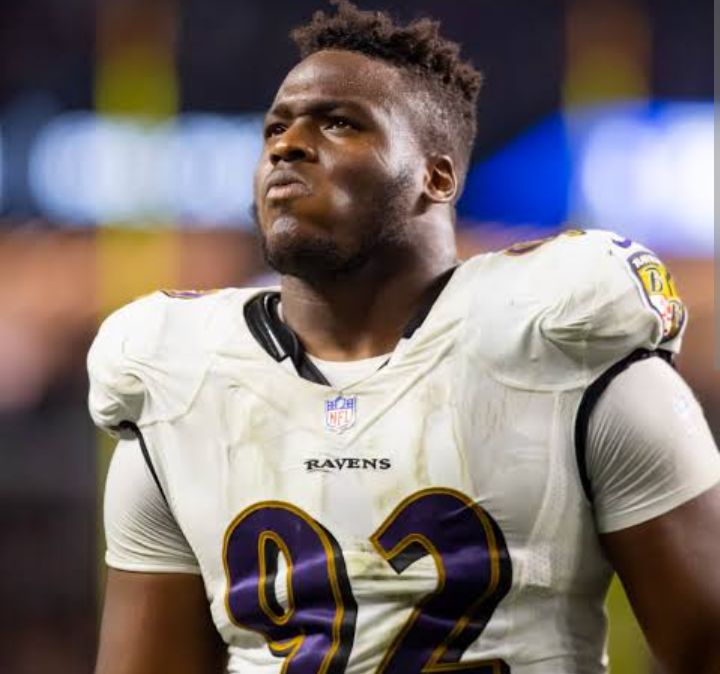
For the Ravens, trading Humphrey would signal a definitive shift toward a new chapter in their secondary. It would place greater responsibility on younger players like Brandon Stephens, recent draft picks, or any subsequent acquisition. The freed cap space could be directed toward extending a player like Justin Madubuike, addressing the offensive line, or making a strategic splash in free agency. It is a move that balances gratitude for past contributions with a cold-eyed focus on future success.
For the Giants, acquiring Humphrey would be a statement of intent. It would demonstrate a commitment to improving the defense immediately and providing their young quarterback (whoever that may be in 2026) with a team capable of competing. It would also validate John Harbaugh’s influence, giving him a trusted veteran to anchor his defense as he implements his culture and system in New York.
Conclusion: The Delicate Balance of NFL Team Building
The predicted trade of Marlon Humphrey from the Baltimore Ravens to the New York Giants is more than just offseason speculation; it is a case study in modern NFL management. It encapsulates the difficult decisions franchises must make at the intersection of performance, finance, and timing. Humphrey remains an excellent player, but in the salary cap era, excellence alone is not always enough to guarantee a player’s tenure with a single team.
Whether this specific prediction comes to fruition remains to be seen. The NFL offseason is a theater of surprises. However, the logic underpinning the scenario is sound. The Ravens have a financial incentive and a historical pattern of making such moves. The Giants have a clear need and a direct coaching link. In a league that never stands still, such a transaction would be a resonant example of how teams continuously evolve, making tough choices in their relentless pursuit of the Lombardi Trophy. The potential parting of ways between Humphrey and Baltimore would close a celebrated chapter, while his arrival in New York could be the first page of a new one for both the player and his prospective team.