In the meticulous chess game of constructing a Major League Baseball roster, the final pieces are often the most intriguing. They are not the headline-grabbing superstars signed to nine-figure contracts, but the calculated fliers, the reclamation projects, the players whose potential once glimmered brightly before fading. For the St. Louis Cardinals, as they head toward the 2026 season, that final piece is Bryan Ramos.
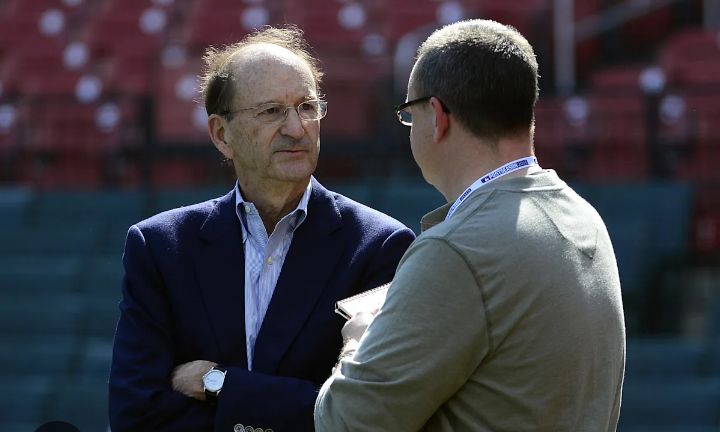
The Cardinals, under the direction of new President of Baseball Operations Chaim Bloom, have officially filled their 40-man roster to capacity by claiming the 24-year-old third baseman off waivers from the Baltimore Orioles. This move comes on the heels of a transactional offseason that saw Bloom reshape the team’s composition, most notably in the trade that sent versatile veteran Brendan Donovan elsewhere, which opened the crucial roster spot Ramos now occupies.
Ramos represents a classic post-hype sleeper. As recently as 2023, he was ranked the number three prospect in the Chicago White Sox system, a corner infielder with a promising blend of power and defensive aptitude. However, the transition to the highest level of professional baseball is notoriously unforgiving, and Ramos’s journey has been a testament to that difficulty. In parts of the 2024 and 2025 seasons with the White Sox, he managed just a .198 batting average over 111 at-bats. While he showed sporadic flashes of power, the consistency needed to stick in the majors was absent. His struggles were not confined to the big leagues; in his last two seasons at the Double-A and Triple-A levels, he hit a combined .228, a clear indicator that adjustments were needed.
The primary culprits behind Ramos’s statistical decline have been well-documented by scouts and analysts. At the plate, he has been plagued by a high chase rate, swinging at pitches outside the strike zone, and a pronounced vulnerability to breaking balls. Major league pitchers, adept at exploiting such weaknesses, have been able to neutralize his raw power by enticing him into poor swings. This erosion of plate discipline transformed a once-top prospect into a player deemed expendable, first by the White Sox and then briefly by the Orioles before landing in St. Louis.
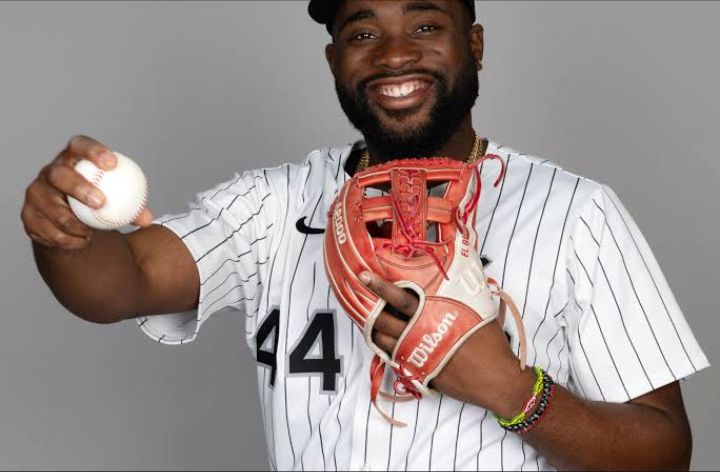
For the Cardinals, however, the context makes this claim far more than just adding a warm body. This is a franchise in a deliberate, if not full-scale, rebuild. The 2026 season is less about immediate contention and more about evaluation, development, and uncovering future building blocks. In this environment, a player like Ramos is a perfect fit. The move carries virtually no financial or long-term risk, as a waiver claim involves no trade capital and a minimal salary. The cost is solely the 40-man roster spot, which Bloom had clearly earmarked for such an opportunity.
The acquisition also comes with a significant technical detail: Bryan Ramos is out of minor league options. This procedural status means the Cardinals cannot simply send him to the minors to work on his swing without first exposing him to waivers again, where any team could claim him. Consequently, he will almost certainly break camp with the Major League club, earning a spot on the active 26-man roster. This creates a fascinating dynamic. Ramos is not being acquired to languish on the bench; he will be given legitimate opportunities to play and prove himself.
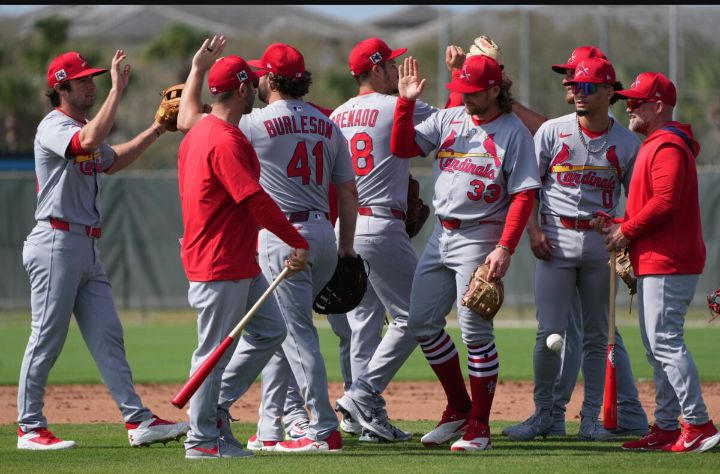
His natural position is third base, which interestingly is one of the more crowded areas on the Cardinals’ depth chart. The team features power-hitting Nolan Gorman, highly-touted prospect JJ Wetherholt, and others like Thomas Saggese and Jose Fermin who can man the hot corner. This logjam could spur further roster creativity. There has been internal discussion this offseason about potentially moving a player like Saggese to the outfield to diversify his utility and clear a path. Ramos’s presence adds another variable to this equation, ensuring competition for at-bats will be a defining feature of the Cardinals’ spring training.
The Cardinals’ strategy here mirrors another high-profile project already on their roster: Jordan Walker. Like Ramos, Walker is a former elite prospect who has struggled to translate his undeniable tools into consistent major league performance. The Cardinals are committing to both young men, betting that patience, tailored coaching, and regular playing time in a lower-pressure setting can unlock the talent that made them so highly regarded. For a rebuilding team, this is a sound philosophy. It is better to exhaust every possibility with a young, cost-controlled player who has a high ceiling than to cycle through veteran journeymen with known, limited upside.
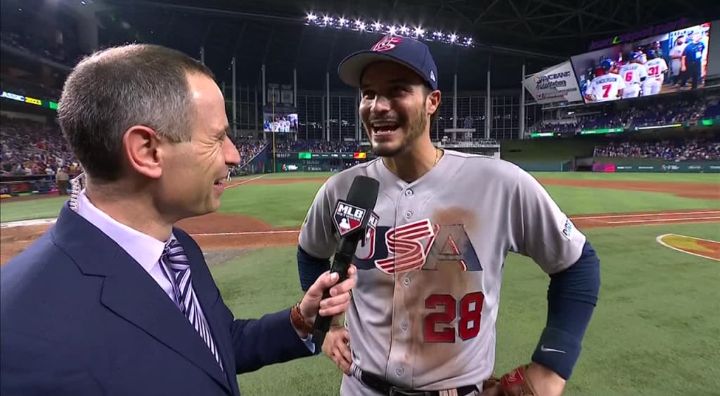
This is where the Cardinals’ revamped coaching and player development staff, a key focus of Bloom’s tenure, faces a direct test. Can they help Ramos refine his approach? Can they work with him to improve his pitch recognition, particularly against spin, and help him harness his power more effectively? If the answer is yes, the Cardinals will have acquired a young, everyday third baseman for nothing. If the answer is no, they move on having lost very little. It is the archetype of a savvy, low-risk, high-reward transaction.
There is also an intangible element at play. A change of scenery can have a profound effect on a young athlete. Leaving the environments where he experienced failure, Ramos arrives in St. Louis with a clean slate. The expectations are minimal, but the opportunity is real. At 24 years old, he is far from a finished product; many players do not even reach the majors until that age. The physical tools that made him a top prospect—the bat speed, the arm strength at third base—have not vanished. They have merely been obscured by a lack of refinement and confidence.
The Cardinals’ decision to claim Bryan Ramos is a microcosm of modern roster construction in a non-contending phase. It is an exercise in asset collection, a bet on the organization’s ability to develop talent more effectively than the previous ones. It fills the 40-man roster not with a final, static piece, but with a live arm and a projectable bat that could become something more. As the team heads into the 2026 season, the storylines will not only be about wins and losses, but about redemption and growth. Bryan Ramos now has a chance to author a compelling chapter in that story, and the Cardinals have provided the blank page, at virtually no cost, hoping he can finally deliver on the promise that once made him a star of the future.