The narrative of a professional athlete often follows a familiar arc: prodigious talent, the bright lights of collegiate and professional stardom, the pinnacle of a championship, and then, for most, a gradual descent into retirement and life after sports. For Darron Lee, a former first-round NFL draft pick and Super Bowl champion, that arc has taken a devastating and tragic turn, culminating in his arrest and charging for first-degree murder in Tennessee. The allegations, which involve the death of his girlfriend, paint a grim picture that stands in stark contrast to the promise of his early career, raising urgent questions about violence, the pressures of transition out of sports, and a prior history that may have signaled profound danger.

The facts of the current case, as reported by authorities in Hamilton County, are harrowing. On the afternoon of February 5, 2026, deputies were called to a residence on Snow Cone Way near Ooltewah Elementary School for a report of CPR in progress. Upon arrival, first responders discovered a female victim. Despite attempts to save her life, she succumbed to her injuries. The Hamilton County Sheriff’s Office swiftly identified Lee, 31, as the suspect. He was taken into custody and formally charged with first-degree murder and tampering with evidence. The charges suggest a premeditated act and an alleged subsequent attempt to conceal the crime.
This is not Lee’s first encounter with law enforcement over allegations of violence against women. In 2023, he was arrested on domestic violence charges. A police report from that incident alleged a brutal attack, stating that Lee pushed a woman against a wall, threw her to the floor, and struck her in the face and head eight to nine times with his closed fists. The existence of this prior arrest is a critical piece of context, transforming the current murder charge from a shocking anomaly into part of a horrifying pattern of alleged behavior. It casts the latest incident in an even more tragic light, highlighting a potential escalation of violence and invoking painful, recurring questions about the effectiveness of interventions following initial domestic violence charges.
To understand the full weight of this fall, one must look back at the trajectory of Lee’s life in sports. He was a standout athlete at Ohio State University, a key component of one of college football’s most dominant programs. As a linebacker for the Buckeyes, Lee was known for his exceptional speed and playmaking ability, a modern defender built for covering ground and rushing the passer. In his two seasons of play (2014-2015), he accumulated 147 tackles, 12 sacks, and three interceptions. His final collegiate game was the crowning achievement: a part of Ohio State’s 2015 National Championship victory, securing his legacy as a winner on one of the sport’s biggest stages.
His professional potential was validated when the New York Jets selected him with the 20th overall pick in the 2016 NFL Draft. For three seasons in New York, Lee showed flashes of the dynamic talent that made him a first-rounder. He started 34 games, recording 241 tackles, four sacks, three interceptions (one returned for a touchdown), and 17 passes defended. He was a building block for the Jets’ defense, an athlete whose coverage skills were particularly valued in a passing league. However, in 2019, the Jets traded him to the Kansas City Chiefs. While his role diminished, his career reached its zenith when the Chiefs won Super Bowl LIV, making Lee a world champion.
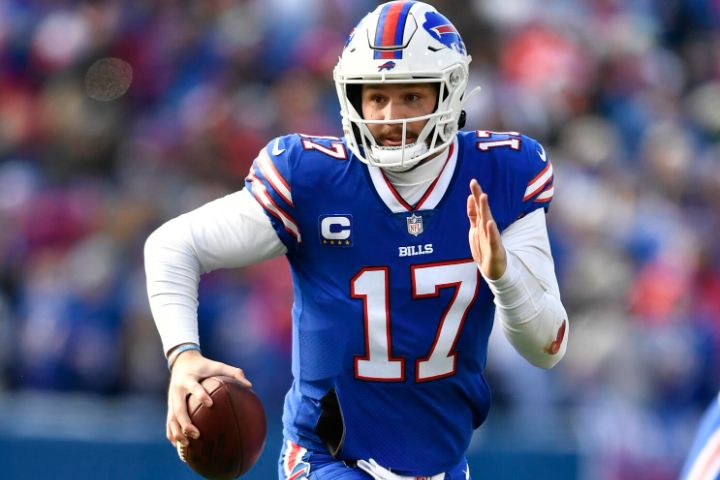
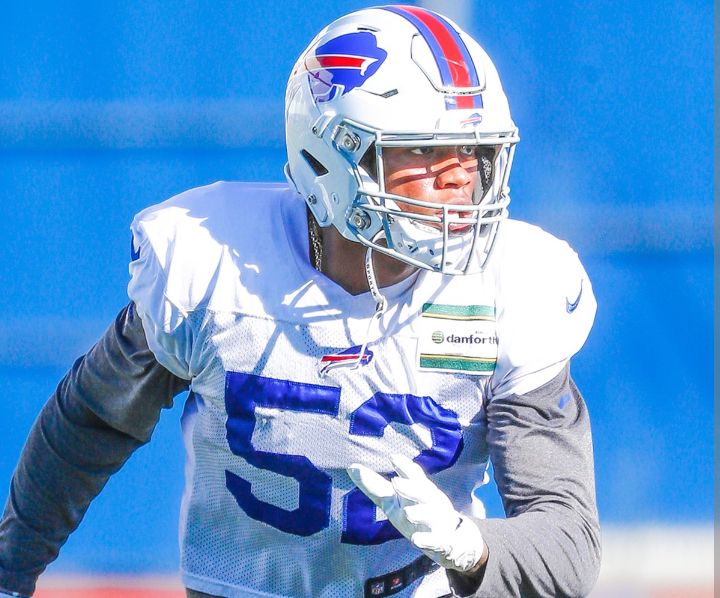
The following year, 2020, Lee signed with the Buffalo Bills, a team on the rise. Yet, his time in Buffalo signaled the beginning of the end of his NFL journey. He spent most of the season on the practice squad, activated for only two games where he recorded a single tackle. After the 2020 season, he became a free agent and did not sign with another team. At age 26, his career in the NFL was effectively over. This transition from celebrated first-round pick and champion to practice squad player and, ultimately, out of the league entirely is a jarring shift that many athletes struggle to navigate. The loss of structure, identity, public adoration, and routine can be psychologically destabilizing, though it never excuses criminal behavior.
The allegations against Lee force a difficult but necessary examination of several intersecting issues. First and foremost is the epidemic of violence against women, both within society at large and, disproportionately highlighted, in the world of professional sports. Cases like this bring intense scrutiny to the leagues and the support systems—or lack thereof—available to players during and after their careers. The NFL has implemented programs and resources for personal conduct, mental health, and transition assistance, but critics argue they are often reactive rather than preventative. The presence of Lee’s 2023 arrest begs the question of what monitoring or mandated counseling, if any, followed that incident, and whether different interventions could have altered the course of events.
Secondly, Lee’s story is a stark example of the “identity foreclosure” many athletes face. From childhood, their entire sense of self is often built around their athletic prowess. When that is removed, whether by age, injury, or declining performance, a profound void can open. Without a robust support network, healthy coping mechanisms, and a plan for a second act, some individuals flounder. This crisis of identity and purpose can exacerbate underlying issues, including aggression, substance abuse, or mental health struggles. While this does not mitigate responsibility, it provides a crucial lens through which to view the challenges facing a significant number of former athletes.
The legal road ahead for Darron Lee is long and grave. First-degree murder charges in Tennessee carry the possibility of life imprisonment or even the death penalty. His defense will likely scrutinize every piece of evidence, and the prior domestic violence arrest, while potentially admissible to show pattern or intent, will be a focal point of contention. The prosecution will aim to build a narrative of a pattern of escalating violence, using the 2023 incident to demonstrate motive, intent, or absence of mistake. The proceedings will unfold under a harsh public spotlight, a macabre coda to a career that once held so much promise.
For the victim, her family, and her community, this is an unthinkable loss that transcends sports headlines. For fans who cheered for Lee at Ohio State, with the Jets, Chiefs, and Bills, the news is a disorienting betrayal of the athlete they admired. It serves as a grim reminder that the heroes we construct on the field are complex, flawed human beings off it, capable of profound greatness and, as alleged in this case, profound evil.
The legacy of Darron Lee is now irrevocably split. There is the football legacy: the national champion Buckeye, the first-round NFL linebacker, the Super Bowl champion. And now, there is the alleged legacy of a man charged with taking a life, a story of potential and promise seemingly consumed by darkness. His story is a tragedy in multiple acts: a tragedy for the life lost, a tragedy for a community in shock, and a profound personal tragedy of a talent that ultimately could not escape its own destructive impulses. As the legal process begins, it seeks justice for one victim, but it also lays bare the wreckage of a fall from a grace that, in retrospect, may have been far more fragile than it ever appeared on the field.