As the 2026 Major League Baseball season approaches, the St. Louis Cardinals find themselves in a period of significant transition. After a disappointing 78-84 finish in 2025 that left them in fourth place in the National League Central and out of the postseason, the organization has embarked on a deliberate, and at times surprising, restructuring. This reshaping has seen the departure of cornerstone veterans, signaling a pivot towards a younger, future-focused roster. At the center of the latest swirl of speculation is versatile infielder Brendan Donovan, whose name continues to dominate trade rumors as Opening Day draws near.
The Offseason Exodus and a New Direction
The Cardinals’ offseason strategy became clear with a series of consequential moves. The trade of ace starting pitcher Sonny Gray was a significant signal, but the deal that truly marked the end of an era was the trade of perennial All-Star and Gold Glove third baseman Nolan Arenado. For an organization historically synonymous with consistency and competing for division titles, these moves represented a stark departure from recent norms. They were not merely tweaks but foundational shifts, acknowledging that the previous roster construction had reached its competitive ceiling.
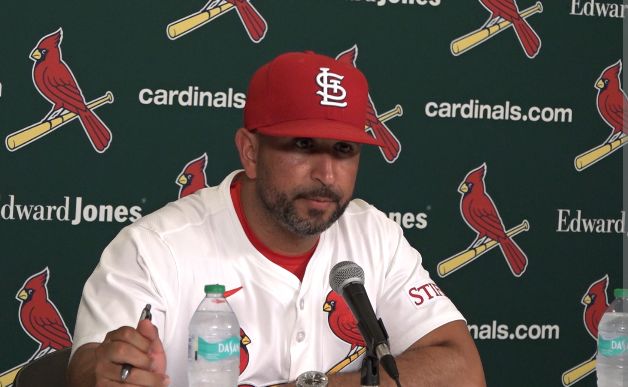
President of Baseball Operations Chaim Bloom has been candid about the new path. In a statement to Sports Illustrated, Bloom addressed the challenges of operating outside baseball’s largest markets, stating, “We know that there are some real differences here, and there are some obstacles that might create for a team that’s not in a massive market like us.” However, he was quick to frame this not as an excuse but as a defining challenge: “But the other thing I believe is that can never be an excuse, and as far as our baseball operation is concerned… we just can’t be focused on that. That’s never been how teams in markets like ours and it’s never been how this organization has won.”
This philosophy points toward a rebuild—or perhaps a “reload”—centered on acquiring and developing young, controllable talent. It’s a recognition that to sustainably return to contention, the Cardinals must refresh their core, even when it means parting with established and popular players. This context is essential for understanding the persistent rumors surrounding Brendan Donovan.
Brendan Donovan: The Prime Trade Candidate
Brendan Donovan represents a fascinating asset in this transitional phase. At 28 years old (as of the 2025 season), he is not a grizzled veteran nor a green prospect. He is in his prime, coming off an excellent 2025 campaign where he posted a .287 batting average with 10 home runs and 50 RBIs. More importantly, his value is amplified by his exceptional defensive versatility. A player who can capably handle multiple infield and outfield positions at an above-average level is a coveted commodity in the modern game, offering a manager daily lineup flexibility and resilience against injuries.
This very combination of talent, age, and versatility is what makes him both a valuable piece for the Cardinals’ future and their most logical and attractive trade chip. According to prominent MLB insider Ken Rosenthal of The Athletic, the Cardinals are actively shopping Donovan and are expected to deal him before the season begins. “I still believe the Cardinals are going to trade Donovan…. It’s obvious their bar has not been hit,” Rosenthal stated on the Foul Territory podcast. “The standard they set for the return they want for Brendan Donovan just hasn’t come their way.”
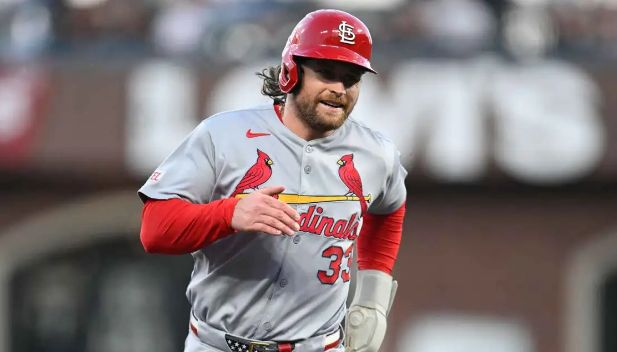
Rosenthal’s analysis suggests a calculated waiting game. The Cardinals have reportedly set a high asking price, viewing Donovan not as a salary dump but as a premium player who should command a significant return of prospects or young major-league-ready talent. The fact that a deal has not yet materialized indicates other teams have so far been unwilling to meet that price, not that St. Louis’s desire to move him has waned. “He’s been out there so long,” Rosenthal noted, implying that the sheer volume and duration of the rumors often precede an actual transaction. “Because Donovan has been discussed so heavily, he would be a guy it seems to me would at some point go.”
Potential Suitors and the Market Dynamics
The market for a player like Donovan is robust. Rosenthal specifically identified the San Francisco Giants and Seattle Mariners as two likely landing spots. Both clubs are in competitive windows—the Mariners consistently in the AL West hunt and the Giants always looking to add versatile, high-contact players to their eclectic roster. Each could use Donovan’s skillset to plug multiple holes and deepen their lineup. Furthermore, Rosenthal mentioned that the Kansas City Royals and Pittsburgh Pirates had shown interest earlier in the offseason. The Royals, after a surprising competitive run in 2025, might see Donovan as a final piece for a push, while the Pirates, a team slowly accumulating young talent, could view him as a stabilizing veteran presence for their infield.
The calculus for any acquiring team is clear: they would be getting a player in his prime, under team control for several more seasons, who immediately improves their offense and defense. For the Cardinals, the ideal return would be a package headlined by young, high-ceiling pitching—an organizational need that has been glaring in recent years—or a blue-chip positional prospect who can anchor the next competitive core.
The Implications of a Trade for St. Louis
Trading Brendan Donovan would be the clearest declaration yet of the Cardinals’ commitment to their new timeline. It would mean prioritizing the assets he can bring back over the immediate on-field contribution he provides for the 2026 team. His departure would create a void, certainly. His reliable bat and defensive Swiss Army Knife capabilities are not easily replaced. However, it would open up everyday at-bats for other young players the organization needs to evaluate, such as Nolan Gorman, Masyn Winn, and Jordan Walker, allowing them to settle into defined roles without juggling for playing time.
A Donovan trade, following the Gray and Arenado deals, would complete the symbolic dismantling of the previous core. It would signal to the fanbase that 2026 is unequivocally a year for evaluation, development, and laying a foundation, with an eye toward a more serious return to contention in 2027 and beyond. The risk, of course, is in the execution. The “return that hasn’t come their way,” as Rosenthal put it, must eventually materialize. Failing to secure a strong package of future talent for a player of Donovan’s value would be a significant setback for the rebuild.
Conclusion: An Inevitable Move in a Broader Strategy
As Spring Training games commence in February, the shadow of a potential Brendan Donovan trade will loom over the Cardinals’ camp. Every game he plays in a Cardinals uniform will be analyzed through the lens of his trade value. The organization’s recent actions, from the front office’s rhetoric to the trades already executed, point toward an inevitable conclusion: Donovan is more valuable to the 2027-2028 Cardinals as a conduit for acquiring future talent than he is as a contributor for the 2026 team.
The Cardinals are navigating the difficult waters of a strategic reset. Their history and market size demand they remain competitive as quickly as possible, but their recent performance demanded change. Trading Brendan Donovan is the next logical, if painful, step in that process. It is a move that acknowledges the present is less important than building a sustainable future—a future they hope will see a new generation of players restore the Cardinals to their customary place atop the National League Central. Until a deal is finalized or the deadline passes, the speculation will continue, a testament to both Donovan’s talent and the Cardinals’ determined new direction.