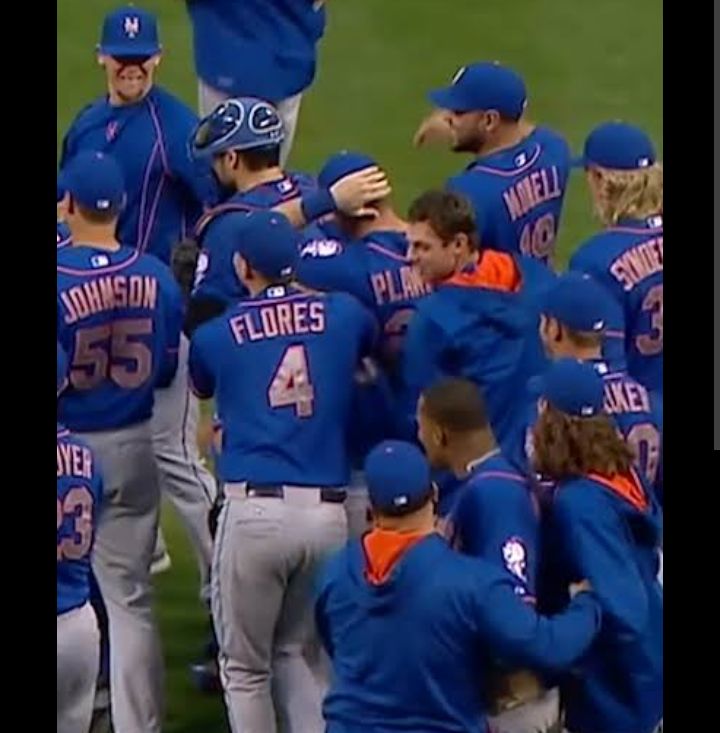
New York Mets fans woke up hoping for stability, momentum, and maybe even a turning point in what has already been a turbulent stretch of the season. Instead, they were hit with another wave of frustration, concern, and disbelief. A fresh injury to yet another key contributor has sent shockwaves through Queens, intensifying fears that the season could be slipping away far earlier than anyone expected.
For a team that entered the year with optimism and postseason aspirations, the latest setback feels like déjà vu. The injury list continues to grow, and with each new name added, the margin for error shrinks. What was once a promising campaign is now being tested by a relentless string of physical setbacks that have disrupted chemistry, consistency, and confidence across the roster.
A Crushing Blow at the Worst Possible Time
The latest injury didn’t just sting—it landed at a critical moment in the schedule. The Mets were already navigating a demanding stretch of games against tough opponents, where every win mattered in the standings and every loss carried extra weight. Losing another core player in this context is more than an inconvenience; it’s a potential turning point in the season’s trajectory.
Reports from within the organization suggest that the injury occurred suddenly during game action, leaving teammates visibly shaken. While official updates remain cautious, early indications point toward a multi-game absence, if not longer. For a team already stretched thin, that uncertainty is the last thing fans wanted to hear.
Mets Nation Reacts With Frustration and Fear
If there is one thing that defines Mets fans, it is emotional investment. The reaction across social media, sports radio, and fan forums was immediate and intense. Many supporters expressed frustration not just at the injury itself, but at the growing sense that bad luck has become a defining feature of the season.
Some fans are asking difficult questions: Is this just unfortunate timing, or is there something deeper happening with conditioning, workload management, or roster construction? Others are simply exhausted, feeling like every step forward is followed by two steps back.
The tone is not just disappointment—it is concern. Concern that the team may not be able to recover in time. Concern that depth is being pushed beyond its limits. Concern that a promising roster is being slowly dismantled by circumstances outside of its control.
A Season Defined by Setbacks
This latest injury is not an isolated event. It is part of a broader pattern that has plagued the season from early on. The Mets have already dealt with multiple stints on the injured list from key contributors, forcing constant lineup adjustments and bullpen reshuffling.
Momentum, in baseball, is everything. But momentum is hard to build when the lineup changes daily and chemistry has to be rebuilt every week. Managers can only do so much when their available personnel keeps shifting. Pitching rotations are disrupted. Defensive alignments are shuffled. Batting orders lose rhythm.
And now, with another significant absence added to the mix, the challenge becomes even more daunting.
Next Man Up… Again
The phrase “next man up” has been repeated so often in Mets circles this season that it almost feels routine. But routine doesn’t make it easier. It simply highlights how often the team has been forced to rely on depth players and unexpected contributors.
Some have stepped up admirably. Others have struggled under the pressure. But what’s undeniable is that sustained success in Major League Baseball rarely comes when a team is constantly digging into its depth chart.
Now, once again, lesser-known names will be asked to fill a void left by a key figure. That brings opportunity—but also uncertainty. Opposing teams are quick to exploit weakened rosters, and the margin between competitiveness and collapse is razor-thin in a tightly contested league.
Pressure Mounts on the Coaching Staff
As injuries pile up, scrutiny naturally shifts toward the coaching staff and training personnel. While injuries are an unavoidable part of baseball, repeated occurrences often lead to deeper questions about preparation, recovery protocols, and long-term player management.
The Mets’ staff now faces the difficult task of keeping the clubhouse focused and motivated amid growing adversity. That means balancing caution with competitiveness, especially when rushing players back too soon could worsen the situation.
Every decision is under the microscope. Every lineup card is analyzed. Every setback adds pressure to find answers quickly—because in New York, patience is never unlimited.
Playoff Hopes Hang in the Balance
Despite the injuries, the season is far from over. Mathematically, the Mets are still within striking distance of a postseason push. But the reality is that time is becoming a critical factor.
Baseball seasons are marathons, not sprints—but they are also unforgiving. Teams that survive injuries early often recover later. Teams that accumulate too many at once risk falling too far behind to catch up.
Right now, the Mets are walking that fine line.
If reinforcements return quickly and replacements perform above expectations, there is still a path forward. But if the injury trend continues, the postseason conversation may shift from “how high can they climb?” to “how much can they salvage?”
A Fanbase Holding Its Breath
Perhaps the most emotional aspect of this moment is the uncertainty. Mets fans are not just reacting to losses—they are reacting to instability. There is a difference between losing games and losing certainty.
Every new injury report feels like another punch to the gut. Every update brings more questions than answers. And yet, despite the frustration, the fanbase remains deeply invested. That is the paradox of Mets fandom: frustration and loyalty existing side by side.
What Comes Next?
The immediate focus now turns to recovery timelines, roster adjustments, and damage control. The Mets will need to dig deep into their organizational depth, potentially exploring minor league call-ups or strategic lineup shifts to stay afloat.
But beyond the logistics, the bigger challenge is psychological. Teams can withstand injuries. What they struggle with is momentum loss, doubt, and fatigue from constant change.
If the Mets can stabilize—even temporarily—they may still have a chance to regroup and re-enter the playoff conversation. But if the injury cycle continues, the season risks slipping into a long and frustrating grind toward the finish line.
This latest setback is more than just another entry on an injury report. It is another chapter in a season that has tested patience, depth, and resilience at every turn.
For now, Mets fans are left waiting—waiting for clarity, waiting for recovery updates, and waiting for a moment when the chaos finally slows down.
Because right now in New York, heartbreak isn’t just a headline. It feels like a pattern.