The St. Louis Cardinals secured a dramatic comeback victory against the Detroit Tigers on Sunday night at Comerica Park, improving their 2026 season record to 5-4. The turning point of the game came in the fourth inning when designated hitter Ivan Herrera delivered a two-run single, giving the Cardinals the lead and setting the stage for their eventual win.
Herrera, who has primarily served as the team’s designated hitter this season, has had limited opportunities behind the plate. The Cardinals currently roster three catchers: Pedro Pages, who receives the majority of playing time; Yohel Pozo, who acts as the backup; and Herrera, who has mostly been used in the batting lineup. While Herrera has shown promise and competence when catching, his appearances as a catcher have been restricted to just three games so far in the season.
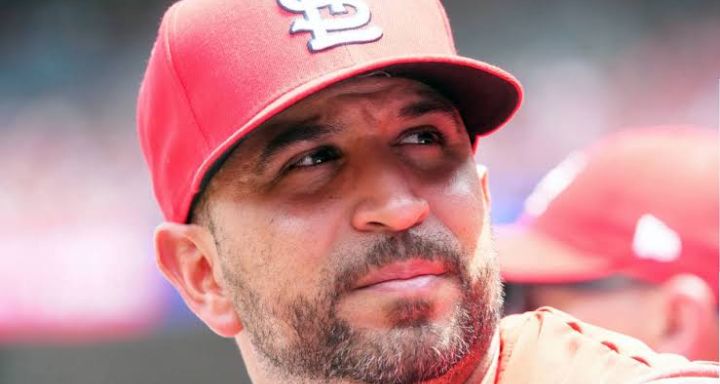
Manager Oli Marmol provided insight into the reasoning behind Herrera’s limited catching duties. The decision is not a reflection of the player’s abilities or readiness but rather a strategic approach aimed at preserving his long-term health. Marmol emphasized that increasing Herrera’s workload behind the plate requires careful management. “It’s not just about checking boxes that allow him to catch more,” Marmol explained. “It’s about progressing in a way that ensures he stays healthy throughout the season. Workload has to be increased thoughtfully, not just because he’s calling a better game or throwing more accurately. The ultimate goal is to maintain his physical condition for the entirety of the season.”
Herrera’s situation is not uncommon for young catchers trying to establish themselves in Major League Baseball. Catching is one of the most physically demanding positions in the sport, requiring both agility and durability. Injuries or lingering physical concerns can quickly derail a player’s ability to maintain consistent performance behind the plate. Marmol acknowledged that Herrera has earned trust from both the coaching staff and the pitching staff by demonstrating strong game-calling skills, throwing accuracy, and an understanding of opposing baserunners. The manager stressed that these competencies are critical factors in determining how and when a player’s workload can safely increase.
The Cardinals’ cautious approach is informed, in part, by Herrera’s injury history. In 2025, he began the season as the team’s starting catcher but suffered a knee injury in April. Although he returned later in the season, his knee continued to limit his ability to handle a full catching workload. As a result, Pedro Pages assumed the primary catching duties, allowing Herrera to regain strength while still contributing offensively. This careful balance has allowed Herrera to remain effective at the plate while minimizing the risk of further injury.
Despite the limited catching appearances, Herrera’s bat keeps him an essential part of the lineup. His offensive contributions give the team flexibility, allowing him to play almost every day even when he is not behind the plate. If he can stay healthy and avoid extended time on the injured list, Herrera has the potential to become the Cardinals’ primary catcher in the future. Marmol’s strategy reflects a long-term vision, prioritizing the development and well-being of a promising young player over immediate playing time.
Herrera’s performance has not gone unnoticed. His ability to impact games both offensively and defensively demonstrates why the Cardinals are investing in his gradual development behind the plate. Observers have noted that when he is healthy, Herrera has the skills necessary to manage a pitching staff, control the running game, and call effective pitches, all while maintaining offensive production. These qualities are essential for a catcher who is expected to contribute consistently at the major league level.
The decision to limit Herrera’s catching time also highlights a broader trend in professional baseball: the careful management of player workloads to prevent injuries and extend careers. Catchers, in particular, face a high risk of injury due to the physical demands of the position, which include frequent squatting, rapid lateral movements, and repeated exposure to foul tips or collisions. By strategically limiting Herrera’s catching appearances, the Cardinals are aiming to preserve his health while still capitalizing on his offensive contributions.
Herrera’s journey underscores the balance that teams must strike between immediate results and long-term player development. While fans may be eager to see him behind the plate more frequently, the Cardinals’ coaching staff is focused on ensuring that he remains available for the entire season. Marmol’s comments emphasize that the limited catching assignments are not punitive but rather a deliberate, thoughtful approach to maintaining Herrera’s performance and health.
Looking ahead, the Cardinals hope that Herrera can gradually assume a more prominent role as the season progresses. If he can continue to develop his skills and remain injury-free, he could solidify himself as the team’s starting catcher. This would provide the Cardinals with a valuable player capable of contributing both offensively and defensively, a combination that is critical for long-term success.
In addition to managing Herrera’s workload, the Cardinals have invested in building depth at the catcher position. Pedro Pages continues to handle the bulk of catching duties, providing stability and reliability. Yohel Pozo remains a capable backup, ready to step in when needed. This depth allows the team to manage injuries and rest days carefully, ensuring that players like Herrera can grow into more substantial roles without compromising their health.
Herrera’s story also highlights the importance of resilience in professional sports. Recovering from an injury and working to reestablish oneself as a primary contributor requires determination and patience. By staying focused on both offensive and defensive performance, Herrera has positioned himself as a key asset for the Cardinals moving forward. His work ethic and commitment to improving behind the plate have earned him respect within the organization and among teammates.
Ultimately, the Cardinals’ approach reflects a combination of strategic foresight and player development. Limiting Herrera’s catching time is not a reflection of his abilities but rather a measured strategy to maximize his long-term value. If he can remain healthy and continue to refine his skills, Herrera has the potential to become a cornerstone of the team’s roster for years to come.
Sunday’s victory over the Tigers served as a reminder of Herrera’s value, with his fourth-inning two-run single directly contributing to the team’s comeback win. While he may not yet be catching full-time, his offensive contributions and ongoing development behind the plate demonstrate why the Cardinals are committed to his gradual progression. Fans can take comfort in knowing that the organization is balancing immediate results with the long-term goal of establishing a reliable, talented catcher capable of impacting games in multiple ways.
In conclusion, Ivan Herrera’s limited catching time is a strategic choice by the Cardinals aimed at preserving his health, maximizing his long-term potential, and maintaining a competitive roster. Through careful workload management, continued development, and offensive consistency, Herrera has positioned himself as a player to watch. As the season progresses, the hope is that he can take on a more substantial role behind the plate while continuing to contribute to the team’s success in the batter’s box. The Cardinals’ measured approach illustrates a commitment to building for the future while still achieving victories in the present.