In the high-stakes, emotionally turbulent world of the NFL, few positions are as psychologically fraught as that of the placekicker. They are the solitary figures upon whom seasons can pivot in a single swing of the leg, heroes or scapegoats defined by a matter of inches. For the Buffalo Bills and their fervent “Bills Mafia” fanbase, the 2025 season presented a unique and testing chapter in this ongoing drama—a year entirely absent their established specialist, Tyler Bass. Yet, as the dust settles on a campaign defined by resilience and improvisation at the position, the organization’s message is one of steadfast continuity. General Manager Brandon Beane’s recent affirmation that Bass is the planned kicker for 2026 is not merely a roster note; it is a declaration of faith in talent, investment, and the intricate calculus of building a championship contender.
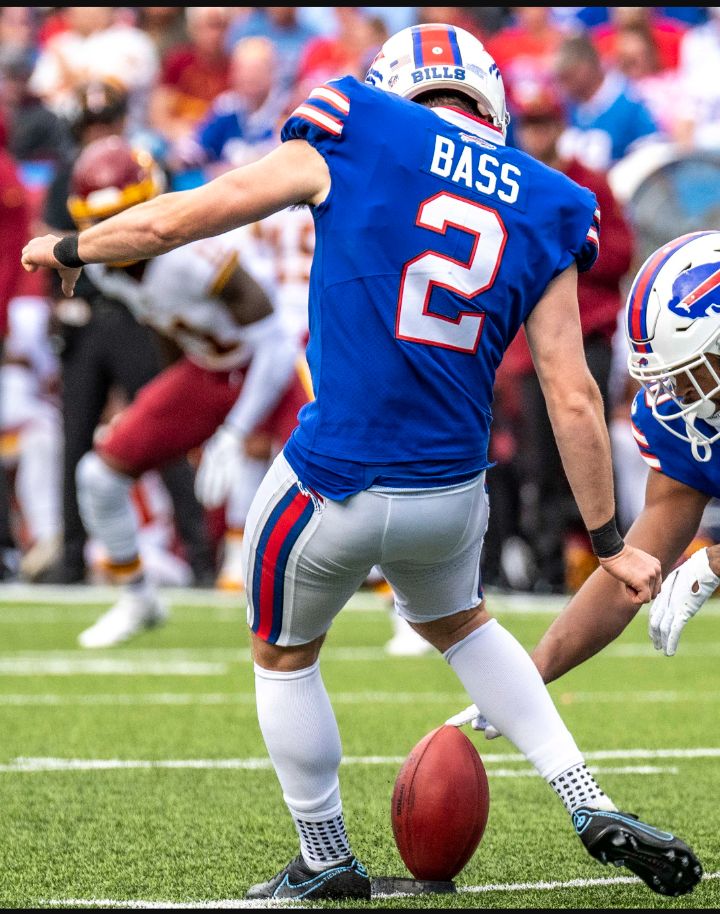
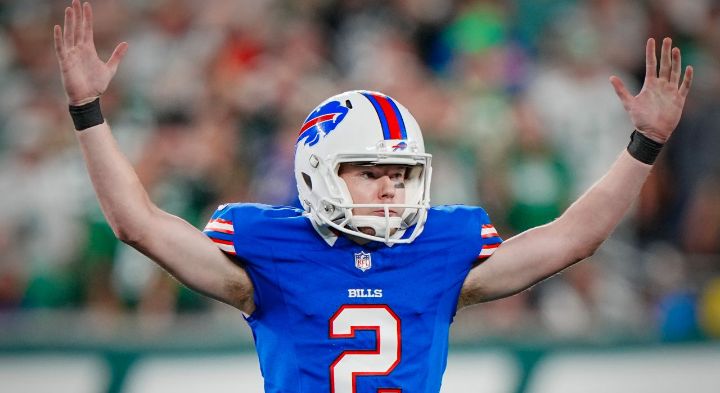
The 2025 season was an unexpected odyssey in the Bills’ special teams unit. Tyler Bass, the incumbent with a proven track record, managed to participate in only a single preseason game before a persistent injury sidelined him for the entirety of the regular season and playoff run. This left a significant void. In response, the Bills turned to the experienced leg of Matt Prater, a veteran known for his own clutch moments. Prater’s tenure began in storybook fashion, drilling a game-winning field goal to cap a dramatic Week 1 comeback—immediately embedding himself in the season’s narrative. However, the injury bug proved contagious, as Prater himself battled ailments throughout the year, necessitating a brief stint by journeyman Michael Badgley. The postseason saw Prater courageously kicking through pain, a testament to his professionalism but also highlighting the position’s precariousness.
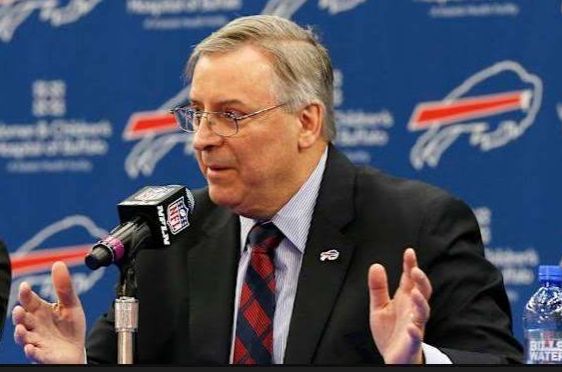
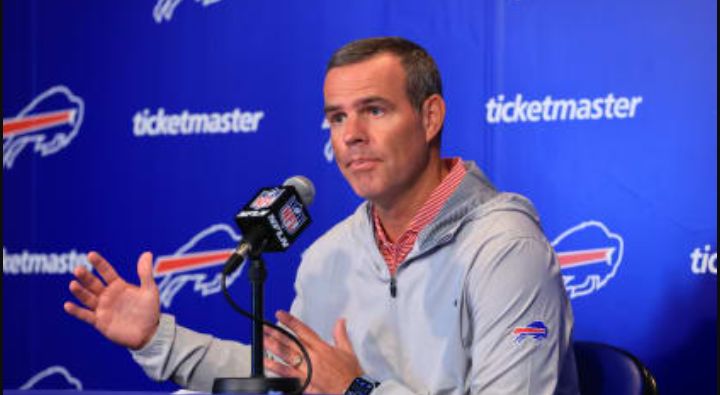
This carousel naturally bred questions about the future. Had the reliable Prater, even at an advanced age, done enough to create a competition? Was Bass’s extended absence a sign of a deeper, concerning issue? The speculation, however, was swiftly quelled by GM Brandon Beane. His statement, “I would expect Tyler Bass to be our kicker in ‘26,” was unambiguous. He supplemented this with crucial context: Bass is reportedly “close to 100%” in his recovery, and had the Bills advanced to the Super Bowl, there was internal discussion about potentially activating him over an ailing Prater. This revelation is telling; it signifies that Bass’s rehabilitation has progressed on a positive trajectory to the point where he was nearly considered for the sport’s biggest stage.
The decision is rooted in a multilayered logic that extends beyond sentimentality. Firstly, there is the straightforward matter of investment and contractual commitment. The NFL is a salary-capped business, and teams must manage resources with acute precision. Bass is under contract, and the financial architecture of the roster is constructed with his cap number in mind. Jettisoning a productive player still on a manageable deal, especially after an injury, is often poor asset management. The Bills, under Beane’s direction, have been masters of cap calculus, and retaining Bass aligns with a philosophy of maximizing value from signed talent.
Secondly, and perhaps more importantly, is the proven body of work. Before the lost season of 2025, Tyler Bass had established himself as one of the more reliable kickers in the league, and notably, one of the best in the challenging conditions of Upstate New York. Kicking at Highmark Stadium in Orchard Park from October through January is a uniquely demanding task. The swirling winds off Lake Erie, coupled with frequent cold, rain, and snow, transform routine extra points and field goals into adventures. Bass had not only adapted to these elements but thrived in them. His powerful leg provided a weapon on kickoffs, pinning opponents deep, while his accuracy in the elements gave the offense confidence to play for points even in adverse conditions. This proven ability to conquer the environment is not a trivial skill; it is a foundational asset for a team built to contend in the AFC, where playoff paths often run through cold-weather cities.
The psychological component cannot be overlooked. For Bass, the organization’s vote of confidence is a powerful boost. Spending a full season on the sidelines, watching your team battle through the grind without you, can be mentally taxing for any competitor. Knowing the team’s belief in him remains unshaken provides a stable platform for his physical and mental return. It eliminates the distracting noise of a potential competition and allows him to focus solely on regaining his form. For the locker room, it reinforces a culture of loyalty and trust. Players see that the organization stands by its key contributors through adversity, fostering a deeper sense of unity and commitment.
Of course, this faith is not blind. It is a calculated risk underpinned by medical oversight. Beane’s statement implicitly carries the weight of the Bills’ medical and training staff’s evaluations. The assertion that Bass is nearly fully recovered, and was even a Super Bowl possibility, indicates rigorous monitoring and a positive prognosis. The team would not stake its 2026 season on a hope and a prayer; their confidence is data-driven, based on scans, rehab milestones, and performance metrics. The “nerve-wracking” feeling Beane acknowledged among the fanbase is understandable—fans operate on emotion and memory, and Bass’s last meaningful kick feels like a distant memory. But the franchise operates on a different plane of information, one where medical reports and contractual realities temper emotional reactions.
Furthermore, the 2025 experience, while stressful, may have yielded an unexpected silver lining: proven, capable depth. The Bills now have intimate, recent knowledge of Matt Prater’s capabilities within their system. Should Bass encounter any setback in his return, or if the team simply desires veteran insurance for training camp and preseason, the relationship and familiarity with Prater provide a valuable safety net that did not exist a year ago. This creates a more robust and flexible special teams ecosystem.
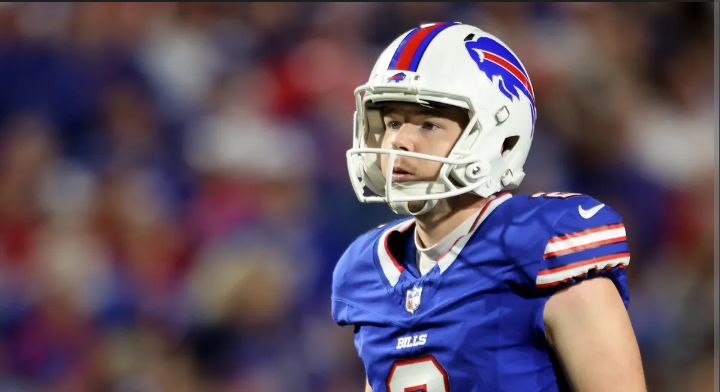
In the grand narrative of the Buffalo Bills’ quest for a championship, the kicker position is a subplot of critical importance. The agony of narrow playoff losses in recent years has, at times, placed the spotlight intensely on special teams execution. Brandon Beane’s endorsement of Tyler Bass is a strategic move to stabilize that subplot. It chooses the known quantity—a young, powerful, and environmentally-tested kicker with a history of success in Buffalo—over the uncertainty of the open market or the temporary fix of a veteran stopgap.
The message is clear: the lost season of 2025 is viewed as an aberration, a detour forced by injury, not an indictment of ability. The plan, meticulously crafted and financially committed to, remains on course. As the Bills reconvene for offseason activities, Tyler Bass will be there, not as a question mark, but as the presumed answer. His journey back is not just about rehabilitating a physical injury; it is about reclaiming his role in the heart of a championship aspiration. For Bills Mafia, after a year of holding their breath on every kick, the hope is that this faith will be rewarded with the familiar, reassuring sound of a football splitting the uprights, and perhaps, finally, the ultimate triumph that has eluded them for so long.