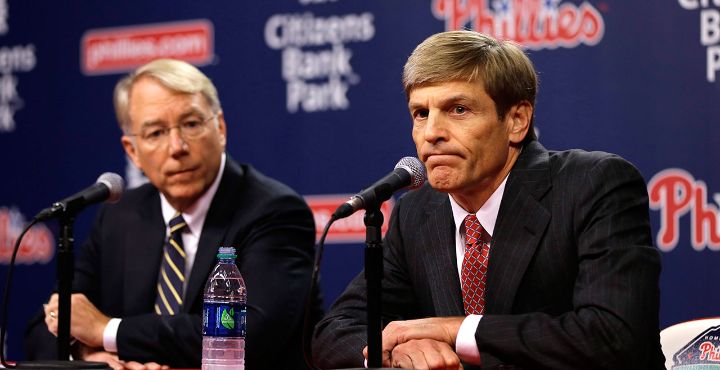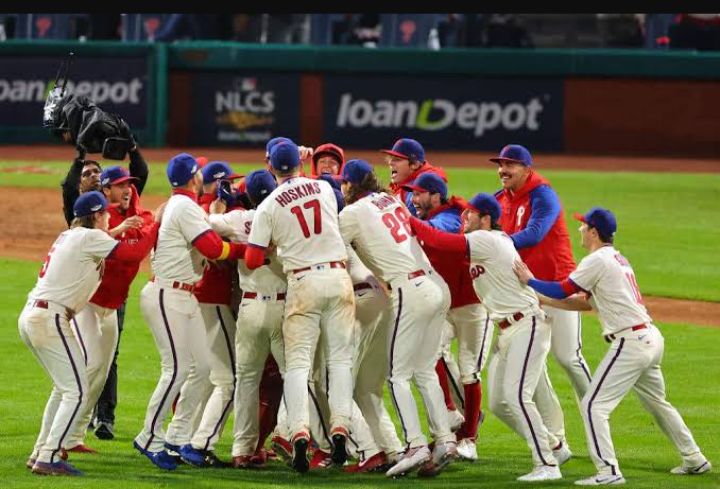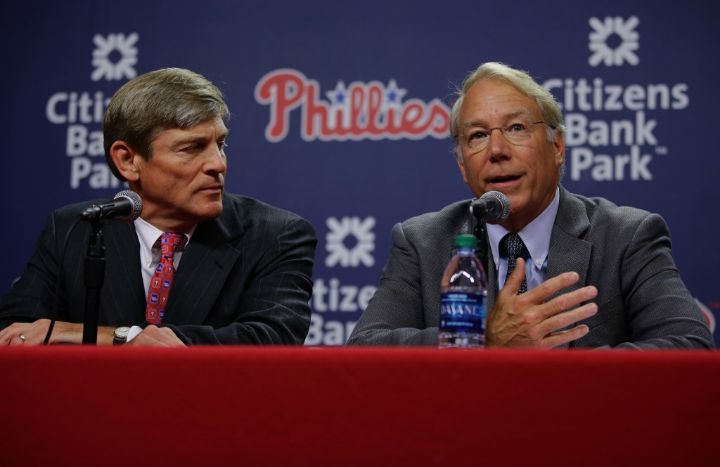
For a franchise built on passion, legacy, and relentless expectations, the latest move by the ownership of the Philadelphia Phillies has sent shockwaves through one of the most loyal fanbases in sports. In a city where every pitch, swing, and managerial decision is scrutinized, this latest development has sparked outrage, confusion, and a growing sense that something is going terribly wrong behind the scenes.
Philadelphia isn’t just another baseball town—it’s a place where fans live and breathe every inning. From the electric atmosphere at Citizens Bank Park to the echoes of past glory, the Phillies represent more than a team; they represent identity. That’s why this decision, whatever its long-term intentions may be, feels like a betrayal to many.
At the heart of the controversy is a growing perception that ownership is losing touch with what matters most: winning. While franchises across Major League Baseball are aggressively building rosters, investing in talent, and pushing for championships, critics argue that the Phillies’ leadership has taken a step backward at the worst possible time. For a team that appeared poised to compete at the highest level, this sudden shift has left fans wondering if the window for success is already closing.
Social media has been flooded with frustration. Longtime supporters who have stuck with the team through rebuilding years are now questioning whether their loyalty is being taken for granted. The anger isn’t just about one decision—it’s about what that decision represents. To many, it signals hesitation, mismanagement, or worse, a lack of urgency in a league that rewards bold moves.
Some fans believe this could be a financial play disguised as strategy. In modern sports, ownership groups often walk a tightrope between profitability and competitiveness. But in Philadelphia, patience for that balance is thin. This is a city that demands effort, risk, and above all, a commitment to winning. Anything less is quickly met with skepticism—and sometimes outright fury.
The timing only makes matters worse. With key players in their prime and expectations higher than they’ve been in years, the Phillies seemed ready to take the next step. Instead, this move has introduced doubt into a clubhouse that needs confidence. Players may not say it publicly, but decisions at the top inevitably ripple through the entire organization. Morale, trust, and momentum are fragile—and once disrupted, they’re not easily restored.
There’s also the issue of credibility. Ownership has spent years rebuilding trust with fans after periods of inconsistency and underperformance. Big signings and renewed ambition had begun to repair that relationship, creating hope that the Phillies were entering a new era of sustained success. But this latest decision threatens to undo much of that progress. When fans start to feel like promises aren’t being kept, the backlash can be swift and unforgiving.
Sports analysts are already weighing in, and the early reactions are far from positive. Questions are being raised about the long-term vision for the franchise. Is there a clear plan, or is this a reactive move made under pressure? Are the Phillies committed to contending, or are they preparing to scale back expectations? These uncertainties are fueling even more frustration among fans who crave direction and clarity.
Another layer to the controversy is how this decision compares to what other teams are doing. Around the league, rivals are making aggressive moves to strengthen their rosters and position themselves for deep playoff runs. In contrast, the Phillies’ approach now appears cautious, even passive. For a fanbase that has tasted postseason excitement and wants more, standing still feels like falling behind.
The emotional connection between Philadelphia fans and their teams is unlike anything else in sports. This isn’t a market that tolerates complacency. Fans show up, they invest, and they expect to see that same level of commitment reflected by those in charge. When that expectation isn’t met, the reaction is intense—and that’s exactly what we’re seeing now.
If there’s one thing history has shown, it’s that fan pressure can force change. Ownership groups, no matter how powerful, are not immune to public sentiment. The louder the frustration becomes, the harder it is to ignore. Already, there are calls for transparency, accountability, and a clear explanation of the decision that has caused so much unrest.
Still, not everyone is ready to panic. Some voices within the fanbase are urging patience, suggesting that the full impact of the decision may not be immediately clear. Baseball is a long season, and front office strategies often unfold over time. But even among these more measured perspectives, there’s an underlying concern: what if the critics are right?
That question hangs over the franchise like a cloud. If this decision ultimately backfires, it won’t just be remembered as a mistake—it will be seen as a turning point. A moment when the Phillies had the chance to seize greatness and instead took a step in the wrong direction.
For now, all eyes are on ownership. How they respond in the coming weeks and months will shape not only the narrative of this season but potentially the future of the franchise. Will they double down on their strategy, or will they adjust course in response to the backlash?
One thing is certain: the fans are watching, and they’re not happy.