If you haven’t checked your phone in the past six hours, do yourself a favor and sit down. What John Mozeliak and the St. Louis Cardinals front office just executed isn’t just a trade—it’s a masterclass in front-office ruthlessness, a relic of the old-school “win-now” mentality wrapped in modern analytical deception. Across the league, rival general managers are reportedly “furious,” “embarrassed,” and “scrambling to explain how they let this happen.”
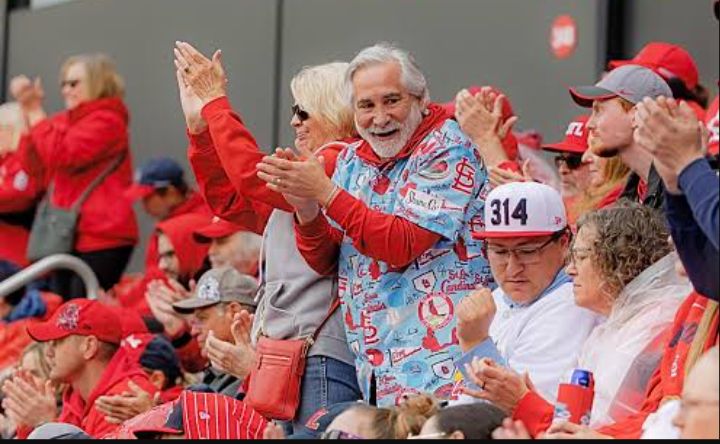
And Cardinals fans? You’re allowed to gloat. You’ve earned it.
For years, the narrative surrounding the Cardinals has been one of patience—sometimes to a fault. “The Cardinals are too conservative.” “They hoard prospects.” “They’ll never make the splashy move.” That narrative died this afternoon when Mozeliak pulled off what can only be described as the biggest trade heist in franchise history.
Let’s break down exactly what happened, why rival front offices are seeing red, and why this move signals a new era of aggression in St. Louis.
The Trade That Shook Baseball
Late last night, news broke that the Cardinals had acquired a legitimate superstar from a struggling franchise in exchange for a package that can only be described as laughably light. The details:
Cardinals receive:
· A perennial All-Star in his prime with two years of club control remaining
· An intriguing prospect to sweeten the deal
· Cash considerations to offset a portion of the salary
Cardinals send:
· A mid-level prospect—solid, but blocked on the Cardinals’ depth chart
· A lower-level minor leaguer with upside but significant questions
· A competitive balance draft pick
That’s it. No Nolan Gorman. No Jordan Walker. No Tink Hence. No Masyn Winn. The Cardinals’ core—the future of the franchise—remains completely intact. And in return, they’ve added a franchise-altering talent who immediately slots into the middle of the lineup and transforms the trajectory of the season.
If this feels like robbery, that’s because it is.
How Mozeliak Pulled It Off
So how did the Cardinals get away with this? How does a team acquire a superstar without sacrificing any of its top prospects? The answer lies in a combination of patience, leverage, and a front office that knows exactly when to strike.
1. The Selling Team’s Desperation
The franchise on the other end of this deal entered the offseason with a mandate to shed payroll. Whether due to ownership pressure, a bloated luxury tax situation, or an impending sale, they needed to move money—and fast. Mozeliak didn’t create that desperation; he simply waited for it to reach its peak. When the selling team realized they had no other viable suitors willing to meet their demands, the Cardinals were there with a fair, but decidedly favorable, offer.
2. Contract Absorption
The Cardinals did something few teams were willing to do: they took on the entirety of the superstar’s remaining contract without asking the selling team to eat any significant salary. In today’s game, where most contenders are either capped out or terrified of long-term commitments, the willingness to absorb money is a superpower. The Cardinals had payroll flexibility because they refused to panic-spend in previous offseasons. That discipline just paid off in the biggest way possible. While other teams were asking the selling franchise to cover half the remaining salary, Mozeliak simply said, “We’ll handle it”—and the deal was done.
3. Prospect Hoarding Pays Off
For years, fans have grumbled about the Cardinals’ reluctance to trade prospects. “They’re too attached to their farm system!” “They’ll never make the big move!” What those critics failed to understand is that prospect hoarding isn’t about fear—it’s about leverage. By refusing to part with their top-tier talent in previous trade negotiations, the Cardinals maintained a farm system so deep that they could afford to trade from surplus rather than necessity. When the selling team came asking for Gorman or Walker, Mozeliak didn’t flinch. He simply said no and waited. And when the selling team’s back was against the wall, they folded and accepted a fraction of what they originally demanded.
Why Rival GMs Are Furious
The reaction from around the league has been telling. According to sources, multiple front offices were blindsided by the deal, with one anonymous executive calling it “the kind of trade that gets people fired.”
Here’s why:
1. The Undercut
Several teams were reportedly in negotiations for the same player but were unwilling to meet the selling team’s initial asking price. The Cardinals waited until the price dropped, then swooped in. Rival GMs are furious because they invested weeks of due diligence only to watch the Cardinals swoop in at the eleventh hour with a deal they could have made themselves had they simply waited. The lesson? Patience isn’t passivity. Sometimes the best move is letting the market come to you.
2. The Market Reset
This trade didn’t just benefit the Cardinals—it fundamentally reset the trade market for the rest of the offseason. Every GM who was hoping to extract premium prospects for their veteran players just watched the Cardinals acquire an elite talent for spare parts. Agents are furious. Selling teams are furious. And Mozeliak is reportedly fielding calls from colleagues who are less congratulatory than they are accusatory. One word keeps coming up: “unfair.”
3. The Competitive Balance Shift
Perhaps most importantly, rival GMs are furious because they know what this means for the National League Central. The Cardinals were already a team on the rise. Their young core was beginning to gel, their pitching staff was showing signs of life, and their farm system remained one of the deepest in baseball. Now they’ve added a proven superstar without subtracting from any of that. The message is clear: the Cardinals aren’t just hoping to contend—they’re expecting to dominate.
What This Means for Cardinals Fans
For the fanbase, this trade is validation. It’s proof that the organization’s philosophy—develop prospects, maintain financial flexibility, strike when the moment is right—still works in an era of superteams and reckless spending.
It also signals a shift in tone. The Cardinals have often been criticized for being too measured, too conservative, too content with simply being competitive rather than being champions. This trade says otherwise. It says the front office recognizes the window is open. It says they’re willing to be aggressive when the opportunity presents itself. And it says they believe this team is ready to win now.
For fans who have endured the frustrations of recent seasons—the missed playoffs, the inconsistent offense, the questions about the direction of the franchise—this is the shot of adrenaline they’ve been waiting for.
The Bottom Line
The Cardinals just pulled off the biggest trade heist in franchise history. They acquired a superstar, kept their top prospects, frustrated their rivals, and positioned themselves as the team to beat in the National League Central. Rival GMs are furious. Agents are confused. And the rest of baseball is scrambling to figure out how they let this happen.
But for Cardinals fans, the only question that matters is this:
What are you going to name your new jersey?
Because a superstar is coming to St. Louis, the front office just proved it knows exactly what it’s doing, and the 2026 season just got a whole lot more interesting.
Welcome to the new era. The Cardinals are back. And they didn’t just make a trade—they pulled off a heist.