The Buffalo Bills’ offensive line room will look slightly different this season after the team made a calculated decision to part ways with a key depth piece. Restricted free agent tackle Ryan Van Demark, who has served as a reliable swing option for the past several seasons, is headed to the Minnesota Vikings after Buffalo declined to match the one-year, $4.2 million fully guaranteed offer sheet he signed earlier this week.
Van Demark’s departure marks the second notable loss for Buffalo’s offensive line this offseason, following the exit of guard David Edwards, who signed a four-year, $61 million deal with the New Orleans Saints. While neither player was a full-time starter, both provided valuable depth along a unit that has ranked among the NFL’s most consistent in recent years.
For Van Demark, the move represents a significant step in a career that began humbly. Originally signed by the Bills as an undrafted free agent out of Connecticut in 2022, the 27-year-old spent his rookie season developing on the practice squad before gradually working his way into the offensive rotation. He first saw meaningful action on offense in 2023, and by 2024, he had become a dependable presence along the line. Last season, Van Demark appeared in all 17 games for the first time in his career and made a career-high four starts, filling in admirably at both tackle spots when called upon.
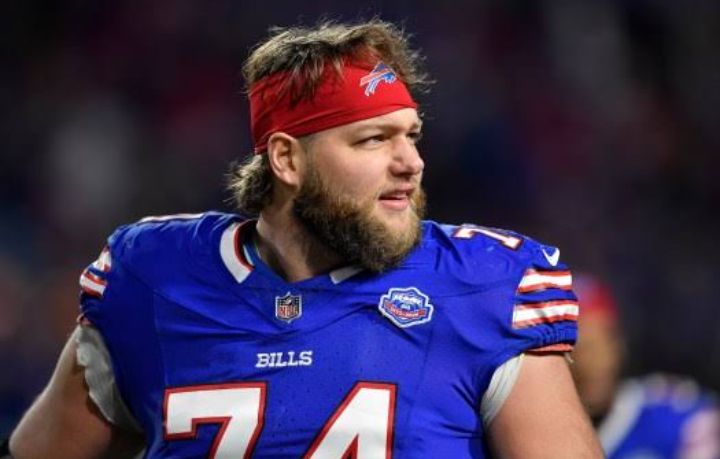
The Bills had extended Van Demark an original-round tender as a restricted free agent earlier this offseason, a move that guaranteed him a one-year deal worth $3.52 million. That tender also gave Buffalo the right of first refusal, meaning the team had the opportunity to match any outside offer Van Demark received. When the Vikings came in with a slightly richer one-year deal, the Bills had until Monday to decide whether to retain him. Ultimately, they opted to let him go, a decision that was confirmed by multiple sources on Friday.
As a result, Buffalo will receive no compensatory return for Van Demark. The move leaves a noticeable void in the team’s offensive line depth, particularly at the tackle position, where the Bills had grown accustomed to having a reliable third option capable of stepping in on either side.
Internal Options to Fill the Swing Tackle Role
With Van Demark moving on, the Bills will now look to a pair of young, homegrown tackles to handle swing duties. Tylan Grable and Chase Lundt are currently positioned as the top candidates to fill the backup tackle role, according to those familiar with the team’s depth chart.
Grable, a sixth-round pick in the 2024 NFL Draft out of UCF, brings a degree of experience to the competition. He has made two professional starts during his time with the Bills and has shown steady growth since entering the league. His athleticism and length made him an intriguing developmental prospect, and the coaching staff has been encouraged by his progress in practice settings.
Lundt, meanwhile, was selected in the sixth round of the 2025 draft out of UConn—the same program that produced Van Demark. He spent his rookie season primarily as a developmental presence, absorbing the system and working on his technique without seeing any game action on offense. While he has yet to make an NFL start, the organization views him as a promising young player who could factor into the tackle rotation with a strong offseason.
Neither Grable nor Lundt has the same level of game experience that Van Demark accumulated over the past two seasons, which makes the swing tackle position one of the more quietly critical areas to monitor as the Bills move through the spring and into training camp. The coaching staff values versatility along the offensive line, and finding a player capable of stepping in at left or right tackle on short notice remains a priority.
Additional Depth Concerns on the Interior
The Bills’ offensive line depth is also being tested on the interior following Edwards’ departure. Edwards, who signed a lucrative deal with New Orleans, had been a key rotational piece at guard and occasionally stepped in at center when needed. His combination of experience, physicality, and familiarity with the system made him a trusted backup, and replacing his presence will require a combination of internal development and potentially new additions.
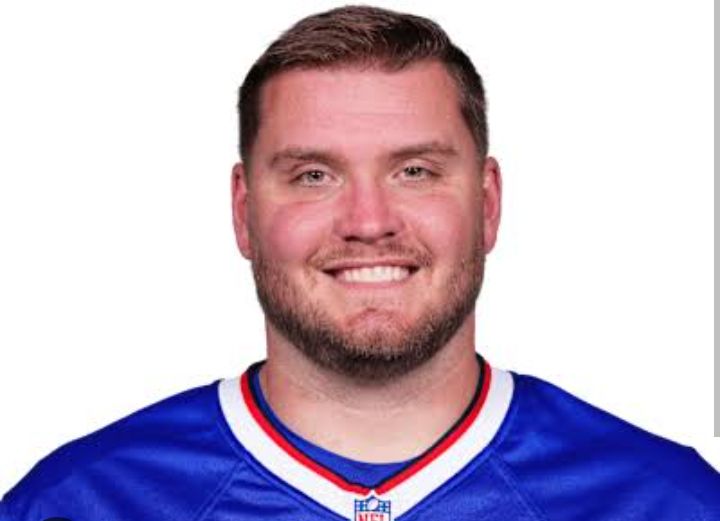
Currently, Alec Anderson—another undrafted success story from the 2022 class—is expected to take over as the primary backup at guard. Anderson has carved out a role for himself as a dependable reserve and core special teamer, but he has seen limited action on offense in game situations. Sedrick Van Pran-Granger, a fifth-round pick in 2024, could also factor into the mix after spending his rookie season developing behind the scenes. Van Pran-Granger was a highly decorated center at Georgia, and his ability to play both guard and center could make him a valuable piece moving forward.
Still, the Bills are widely expected to address the offensive line during the upcoming NFL draft. Left guard, in particular, stands out as an area where the team could look to add both competition and long-term security. With the 26th overall pick in the first round, Buffalo could target an interior lineman capable of stepping into a starting role or providing high-end depth from day one.
One name that has surfaced in connection with the Bills is Texas A&M’s Chase Bisontis, a versatile lineman with experience at both guard and tackle. His physical style and positional flexibility would align well with the team’s offensive philosophy. However, some draft analysts suggest that selecting him at No. 26 might be a slight reach, meaning Buffalo could instead look to address the position on Day 2, where they hold the 91st overall pick.
Looking Ahead to the Draft
The draft will also present an opportunity for the Bills to replenish their tackle depth. While Grable and Lundt will have the first opportunity to compete for the swing role, adding another young lineman on Day 3—where Buffalo has multiple selections—would provide additional competition and insurance.
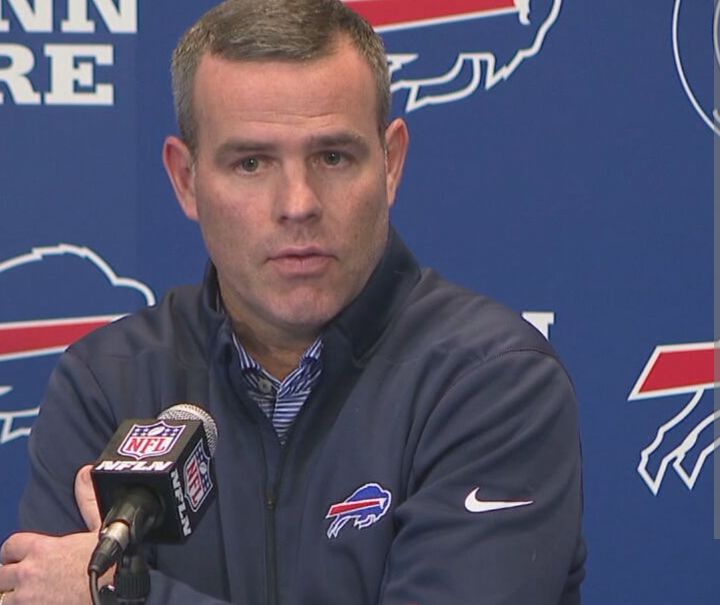
General manager Brandon Beane has consistently emphasized the importance of building along the trenches, and this offseason has underscored that philosophy. While losing Van Demark and Edwards creates short-term questions about depth, the Bills have positioned themselves with enough flexibility to address those needs through the draft and continued internal development.
For now, the swing tackle role appears to be a two-man race between Grable and Lundt. But with the draft still weeks away and free agency continuing to unfold, the Bills’ offensive line picture remains a fluid situation—one that will take shape further as the team progresses through the offseason.