The roadmap for the Buffalo Bills’ 2026 NFL Draft is now fully illuminated. With the NFL’s recent announcement of compensatory draft selections confirming that the Bills would not receive any additional picks via that formula, the focus has shifted entirely to the seven selections the team currently holds. Following a year of calculated wheeling and dealing by General Manager Brandon Beane, Buffalo is slated to make its picks across every round but the second when the draft commences in Pittsburgh from April 23-25.
While the Bills don’t possess a massive war chest of draft capital, the seven picks they do have—including an extra selection in the fifth round—will be crucial for a team looking to balance its competitive window with a need to get younger and more cost-effective at several key defensive positions.
The Final Draft Order
The Bills will be drafting from the 26th spot in the first round after their Divisional Round exit this past season. Here is the full breakdown of Buffalo’s 2026 draft selections:
· Round 1: No. 26 overall
· Round 2: No pick (traded to Chicago Bears)
· Round 3: No. 91 overall
· Round 4: No. 126 overall
· Round 5: No. 165 overall (via Chicago Bears)
· Round 5: No. 168 overall
· Round 6: No. 182 overall (via Las Vegas Raiders)
· Round 7: No. 220 overall (via New York Jets)
Tracing the Trades: How the Pile Was Shuffled
The absence of a second-round pick on Day 2 is the most glaring detail of Buffalo’s draft order, but the context behind it explains the team’s aggressive “win-now” mentality. That selection, originally No. 60 overall, was packaged in a blockbuster deal with the Chicago Bears. In exchange for the second-rounder, Buffalo landed starting wide receiver DJ Moore. To balance the transaction, the Bears also included the 165th overall pick in the fifth round, which is why the Bills have an extra selection on Day 3.
Moore’s arrival in Buffalo signals a significant shift for an offense that has long sought a true alpha at the position. While sending a second-round pick is a steep price, the Bills are betting that Moore’s prime years will provide quarterback Josh Allen with a reliable, physical target capable of changing the geometry of the defense. The return of a fifth-rounder softens the blow, ensuring Beane still has ammunition to address depth needs later in the draft.
Another significant move that reshaped the board involved a longtime defensive stalwart. Rather than simply releasing nickel cornerback Taron Johnson—a move that would have created cap space but provided no asset in return—Beane engineered a trade with the Las Vegas Raiders. The deal sent Johnson to Las Vegas in a pick-swap transaction. Buffalo parted with their original seventh-round selection (No. 228) and received the Raiders’ sixth-round pick (No. 182) in return. It was a shrewd piece of asset management, moving up more than 40 spots in the draft order while simultaneously clearing a contract from the books.
The Bills’ remaining draft capital was impacted by two additional trades from the 2024 season. Their original sixth-round selection is now property of the New York Jets, the result of a cutdown-day trade for return specialist Brandon Codrington. Similarly, their original seventh-rounder was sent to the Cleveland Browns as part of the mid-season acquisition of wide receiver Amari Cooper. These moves illustrate a front office unafraid to sacrifice late-round picks for immediate roster upgrades, a philosophy that has kept the Bills competitive but also requires them to hit on the picks they do retain.
A Critical Draft for a Cap-Strapped Defense
With the legal tampering period of free agency yielding little in the way of major signings for Buffalo, the 2026 draft represents the primary avenue for roster renovation. This is especially true on the defensive side of the ball, where the depth chart currently looks thin.
Examining the roster reveals significant holes. At the safety position, the team currently has only two players from last year’s active roster under contract: Cole Bishop and Jordan Hancock. The linebacker corps is similarly sparse, with just Terrel Bernard, Dorian Williams, and Joe Andreessen locked in. While the team may add veteran minimum free agents or street free agents as the offseason progresses, the draft provides the most reliable path to finding difference-makers on rookie contracts.
This is a familiar position for Beane, who has consistently emphasized the need to build through the draft to sustain success. Speaking during a February appearance on the team’s flagship program, One Bills Live, the general manager outlined a flexible and pragmatic approach to talent evaluation heading into the spring.
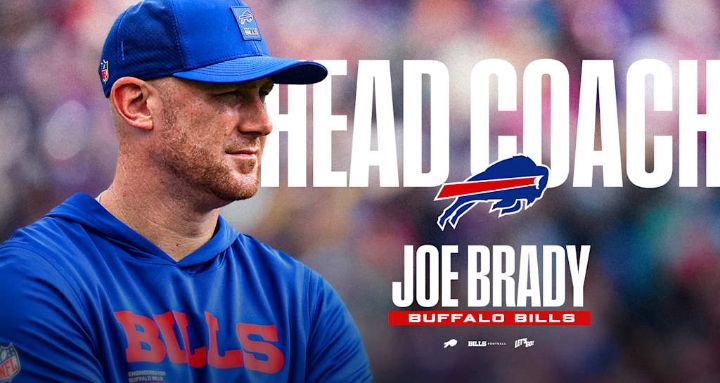
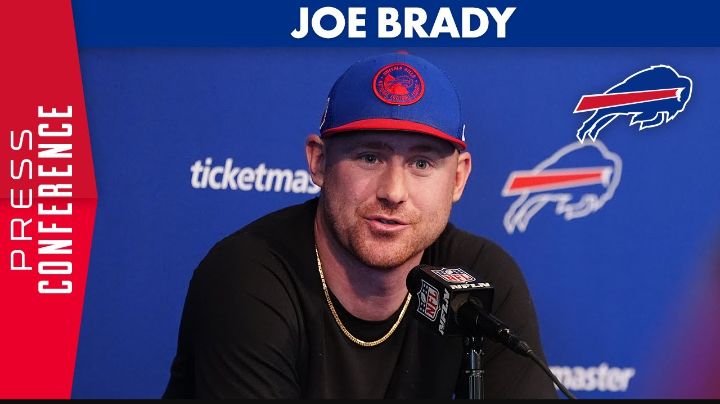
“[Head coach] Joe [Brady] and I are in lockstep on this,” Beane explained. “We just want to find good players separate of the scheme, separate of a 3-4, a 4-3, the passing game, the running game, whatever dimension it is, we just want to find good players and then get them in the best position, for them to succeed themselves and help our football team.”
This philosophy suggests that while needs are apparent, the Bills will not reach for a player simply to fill a positional gap. Instead, they will trust their board, prioritizing talent and versatility. Whether that means targeting a disruptive defensive tackle who can play multiple techniques, a rangy safety who can cover ground in the deep third, or a physical linebacker who can contribute on special teams immediately, the mandate is clear: acquire good football players and let the coaching staff figure out the schematic fit later.
Looking Ahead to Pittsburgh
As the draft approaches, the narrative surrounding the Bills will inevitably focus on what they don’t have—namely, that second-round pick. However, the front office has proven adept at finding value throughout the draft. The addition of Moore via trade last year effectively serves as the team’s second-round investment for 2026, and the hope is that his impact will render the missing pick an afterthought.
With seven selections remaining, Beane has the capital to move around the board if he chooses. He could trade down from the 26th spot to recoup a second-rounder, or he could package some of those Day 3 picks to move up for a player they covet. Regardless of the strategy, the groundwork has been laid.
For a team operating with a tight salary cap and a roster that has some glaring holes on defense, the 2026 NFL Draft is not just an event; it is a critical inflection point. The success of this class—from the first round down to the compensatory seventh-rounder acquired from the Jets—will go a long way in determining whether the Bills can remain atop the AFC hierarchy for years to come. The picks are set, the needs are clear, and Beane’s “best player available” mantra will soon be put to the test in Pittsburgh.