The Buffalo Bills enter the 2026 offseason at a crossroads, navigating the emotional fallout of yet another playoff heartbreak while embracing a new era of leadership. The team’s latest post-season exit, a gut-wrenching 33-30 overtime loss to the Denver Broncos in the AFC Divisional round, proved to be the final chapter of the Sean McDermott era. McDermott, who had helmed the team for nine seasons, saw his tenure end just 48 hours after a visibly emotional and defiant press conference where he lamented a controversial interception call that contributed to the defeat. This marked the team’s seventh consecutive season falling short of a Super Bowl appearance.
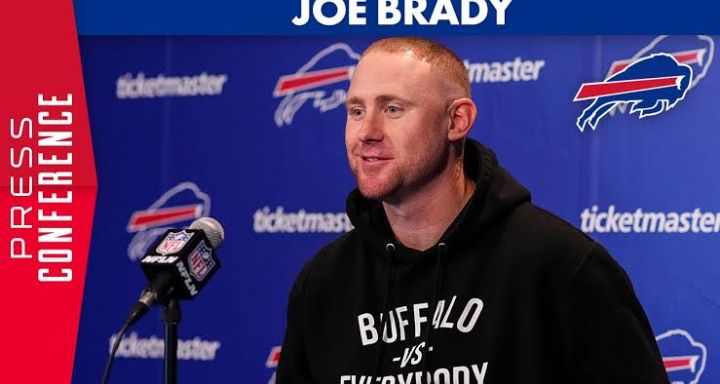
Stepping into the formidable role of head coach is Joe Brady, the team’s former offensive coordinator. At 36 years old, Brady is a first-time head coach tasked with guiding a roster built to win now, led by an MVP-caliber quarterback. The expectation is clear: Super Bowl or bust.
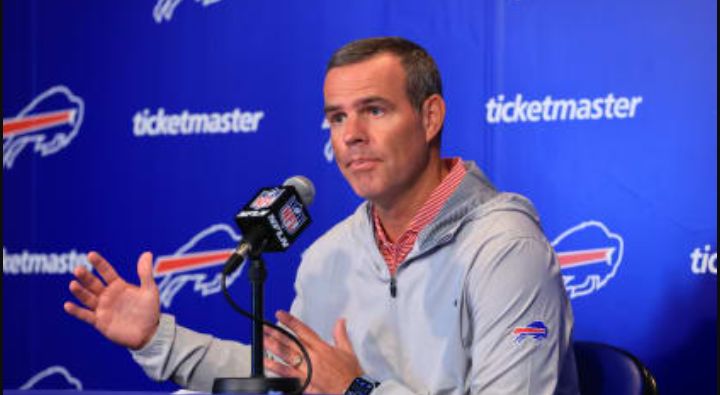
As the Bills transition to life under Brady and prepare to open a new stadium, they must first address a complex financial puzzle. Entering the new league year, which begins March 11, the team is approximately $10 million over the NFL’s salary cap. General Manager Brandon Beane must navigate this deficit while also creating the necessary financial flexibility to retain key players, add new talent, and build a roster capable of meeting sky-high expectations.
Creating Cap Space Through Restructures
The team has already begun the process of alleviating its cap burden. A recent restructure of offensive lineman Spencer Brown’s contract, which was set to carry a cap hit exceeding $19 million in 2026, has provided approximately $10.4 million in immediate relief.
This move is likely the first of several strategic financial adjustments. The most significant potential for savings lies with franchise quarterback Josh Allen. Allen’s six-year, $330 million contract currently counts for over $56 million against the 2026 cap. A restructure of his deal could free up an estimated $12.5 million, a maneuver the contract was deliberately designed to accommodate.
Other veterans are prime candidates for similar restructures. Offensive lineman Dion Dawkins, who carries the team’s second-largest cap hit at nearly $25 million, could have his deal reworked to save over $11 million. Similarly, defensive lineman Ed Oliver’s contract could be restructured to yield around $8.8 million in cap savings. These moves would collectively provide Beane with the financial breathing room needed to operate aggressively in the coming weeks.
Difficult Decisions: Potential Roster Cuts
Beyond restructures, the Bills may be forced to part ways with several familiar faces to achieve cap compliance and allocate resources effectively.
· Dawson Knox (Tight End): A trusted target since his arrival in 2019, Knox is facing an uncertain future due to a substantial $17 million cap hit. Releasing the veteran tight end would save the team nearly $9.7 million. Should the Bills move on, second-year player Jackson Hawes would be poised for an expanded role.
· Curtis Samuel (Wide Receiver): Entering the final year of his contract, Samuel’s tenure in Buffalo has been plagued by injuries. Limited to just two regular-season games in 2025, his release would save $6 million. However, new head coach Joe Brady has been a known advocate for the receiver, which could factor into the final decision.
· Taylor Rapp (Safety): Rapp’s 2025 season was cut short after just six games due to a knee injury. Cutting the 28-year-old safety would save a little over $3 million against the cap while incurring a minimal dead money charge of just over $660,000. The arrival of new defensive coordinator Jim Leonhard, who may implement a different scheme, could further jeopardize Rapp’s standing.
· Taron Johnson (Cornerback): Johnson presents a complicated scenario. As one of the longest-tenured Bills, his experience could be valuable in Leonhard’s defense. However, his contract makes him a potential cap casualty. A standard release would provide minimal relief of only about $2 million. Designating him as a post-June 1 cut would be far more beneficial, saving the team approximately $8.7 million. Johnson will be 30 when the season begins, making his future with the team a difficult financial and football decision.
Trade Winds: The Keon Coleman Question and Potential Additions
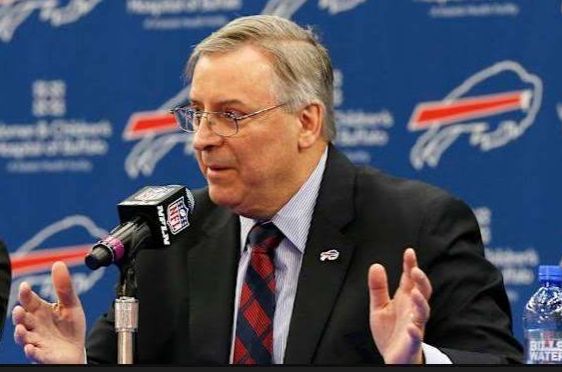
The status of wide receiver Keon Coleman is a developing storyline. Selected with the 33rd overall pick in the 2024 draft, Coleman’s career has been inconsistent. After a promising rookie season, he saw his role diminish in 2025 and was reportedly benched multiple times for disciplinary reasons. Owner Terry Pegula notably mentioned that the previous coaching staff had pushed to draft Coleman, a detail that raises questions about the receiver’s standing with the new regime. While Brady has publicly supported the 22-year-old, the team must decide if his potential is best realized in Buffalo or if he could be a valuable trade chip. With two years remaining on his rookie contract, a deal could be explored to address other needs.
On the flip side, the Bills could be aggressive in the trade market to fill a glaring need for a true number-one receiver. Philadelphia Eagles GM Howie Roseman has stated he is listening to offers for star wideout A.J. Brown, who has consistently surpassed 1,000 receiving yards. A package centered around Coleman and a draft pick could be an enticing offer for both sides.
Navigating Free Agency
The Bills face the very real possibility of losing two starters from their offensive line. Center Connor McGovern and left guard David Edwards are both scheduled to become unrestricted free agents. While Beane hasn’t ruled out re-signing one of them, retaining both is financially improbable. The offensive line will also be under the direction of a new coach, Pat Meyer, following the retirement of longtime line coach Aaron Kromer. The team does have in-house options, including 2024 draft pick Sedrick Van Pran-Granger and recently re-signed Alec Anderson, who could step into starting roles.
On the defensive side, veteran tackle DaQuan Jones, a starter in over 50 games across four seasons, headlines a list of notable free agents. Other key players without contracts for 2026 include defensive end A.J. Epenesa, linebacker Matt Milano, defensive backs Tre’Davious White, Jordan Poyer, and Cam Lewis, backup quarterback Mitchell Trubisky, and fullback Reggie Gilliam. The team will need to decide which of these veterans fit into their long-term plans and financial structure.
Addressing Team Needs
Reinforcing the defensive line will be a primary objective, particularly if Jones and Epenesa depart. Potential targets could include Green Bay Packers defensive tackle Rashan Gary, who may be released in a cost-saving move, or Cincinnati Bengals edge rusher Trey Hendrickson. Hendrickson, who could become available via free agency or trade, has a connection with new Bills defensive line coach Terrance Jamison, who coached him at Florida Atlantic University.
At wide receiver, the pursuit of a proven playmaker will be a central theme. If a trade for A.J. Brown doesn’t materialize, the free-agent market offers intriguing options. Rashid Shaheed is a versatile deep threat coming off a Super Bowl win. Veteran Mike Evans, despite an injury-shortened 2025 season, has a Hall of Fame resume and could provide a reliable target on a short-term deal.
Key Dates on the Horizon
The NFL’s “legal tampering” period opens on March 9, with the new league year and official free agency commencing at 4 p.m. on March 11. The NFL Draft begins on April 23, where the Bills currently hold the 26th overall pick as part of a seven-pick haul.
As a team with a first-year head coach, Buffalo is eligible to begin its offseason workout program on April 6, two weeks earlier than most. Organized Team Activities (OTAs) will follow in late spring, culminating in the start of training camp in July.
The coming weeks promise a flurry of activity from General Manager Brandon Beane as he works to construct a roster that can finally break through the championship ceiling and deliver on the Super Bowl expectations that now define the Buffalo Bills.