The hum of the Florida highway was replaced by the sharper crack of bats and the pop of gloves. At Steinbrenner Field in Tampa, the New York Yankees were going through the motions of a spring training that felt, to many observers, remarkably listless. The front office’s winter hibernation had been so profound that it had stirred the unlikeliest of critics: Aaron Judge, the team’s typically stoic captain, had publicly lamented the lack of offensive reinforcements. The team that finished second in the American League East and fell in the World Series to the Los Angeles Dodgers looked, for all intents and purposes, exactly the same.
But across the Grapefruit League, in Clearwater, a different kind of storm was brewing. A storm that, according to some analysts, could provide the seismic jolt the Yankees’ offseason so desperately lacks. The tempest involves the Philadelphia Phillies and their two-time National League MVP, Bryce Harper. And it has sparked a tantalizing, if complicated, question: Should the Yankees bring the thunder to Tampa by acquiring one of the most polarizing and talented players of his generation?
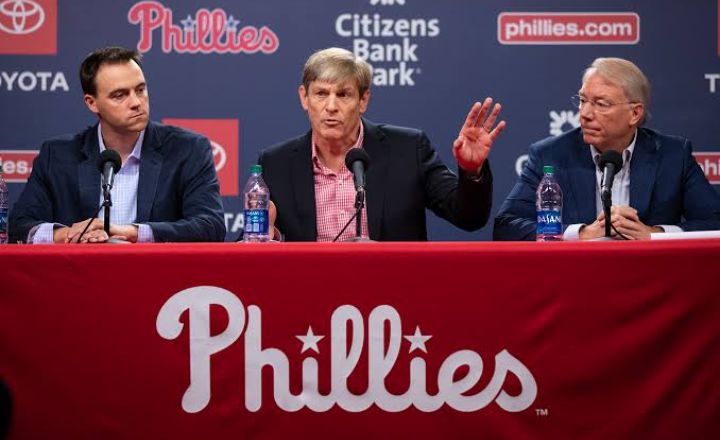
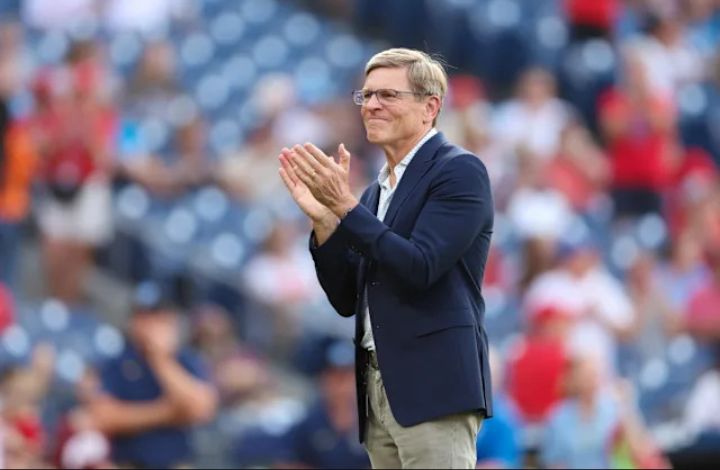
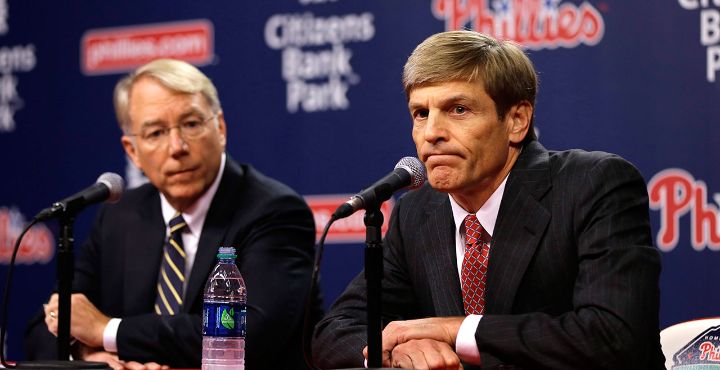
The argument for a blockbuster trade, recently posited by Pinstripes Nation, hinges on a fundamental shift in the relationship between Harper and the only major league organization he has known for the last seven years. The friction began not with a heated dugout argument or a public benching, but with an offhand remark last October. Following the Phillies’ NL Division Series loss to the eventual champion Dodgers, team president of baseball operations Dave Dombrowski offered a candid, if clinical, assessment of his franchise cornerstone. He labeled Harper a “quality player” and an “All-Star-caliber player,” but pointedly noted that he had not been “elite” that season, speculating on whether, at 33 and with an injury history, he could return to that upper echelon of performance.
For most players, such comments might be a minor slight. For Harper, they represented a breach of trust. Upon arriving at spring training, he made his feelings clear, expressing that the public nature of the critique was “wild,” especially given the organization’s initial promise to keep all matters “in-house.” The numbers from 2025 gave Dombrowski some ammunition for his assessment. Harper posted a highly respectable .844 OPS, but it was his lowest since 2016. His Wins Above Replacement (WAR) of 3.1 was among the lowest of his storied 14-year career. He was still a very good player, but the transcendent, MVP-level dominance that once defined him had flickered.
This rift, however minor it may seem, has cracked open a door that has been firmly shut since Harper chose Philadelphia over every other suitor, including the Yankees, in the 2019 free-agent frenzy. For the first time, the idea of Harper in pinstripes feels less like fan fiction and more like a remote, yet plausible, possibility. The fantasy was given further life when Harper himself expressed excitement about sharing a lineup with Aaron Judge for Team USA in the upcoming World Baseball Classic. The image is intoxicating: the left-handed thunder of Harper followed by the right-handed mammoth shots of Judge, a back-to-back assault on opposing pitchers that would be the most fearsome 3-4 combination in baseball.
But for Brian Cashman to turn that fantasy into reality, he must navigate a labyrinth of obstacles that make the trade anything but a simple transaction. The first, and most significant, barrier is Harper himself. His contract contains a full no-trade clause, a powerful tool he wielded to secure his future in Philadelphia. He would have to willingly waive that protection, a decision that would only come if his relationship with Dombrowski has truly soured beyond repair. It would require Harper to look across the diamond at a Yankees team with its own set of question marks and decide that a fresh start in the Bronx is preferable to patching things up in Philly.
Even if Harper gives his blessing, the Phillies must be willing sellers. Dombrowski, despite his candid remarks, has given no public indication that he is shopping his highest-paid player. Trading a player of Harper’s stature would be a monumental public relations risk, an admission that the relationship with the face of the franchise is fractured. Philadelphia would demand a king’s ransom in return—a package of top prospects that would decimate a Yankees farm system already thinned by years of win-now moves. The conversation would almost certainly start with a player like outfielder Jasson Domínguez and would quickly escalate to include other top young assets and perhaps even major-league ready talent.
Then, of course, there is the money. Harper is still owed $23.5 million annually for the next six seasons. The Yankees already boast the third-highest payroll in baseball, a staggering commitment north of $333 million. Adding Harper’s salary would not alter their rank, but it would push them to within striking distance of the second-place New York Mets and would represent a level of financial commitment that managing general partner Hal Steinbrenner has historically been hesitant to embrace. It would be a tax-luxury nightmare, a bet that Harper can not only return to his “elite” form but can do so while sharing an outfield and a lineup with another superstar entering his mid-30s.
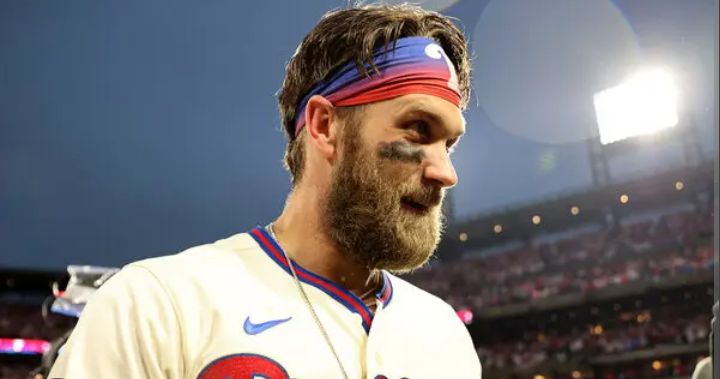
The parallels between Harper and the man he would be joining in the outfield are both exciting and cautionary. Giancarlo Stanton, acquired in a similarly shocking trade after the 2017 season, arrived with his own MVP pedigree and a massive contract. The results have been a mixed bag: moments of historic power punctuated by frustrating and frequent trips to the injured list. Adding Harper would mean the Yankees have three position players—Judge, Stanton, and Harper—all in their 30s, all with significant injury histories, and all owed enormous sums of money. It is a top-heavy construction that leaves the team incredibly vulnerable. One pulled muscle in that trio and the lineup’s fearsome reputation evaporates.
Yet, the allure is undeniable. The Yankees’ offseason has been defined by inaction. They have watched the division-rival Boston Red Sox and Baltimore Orioles get younger and more dynamic. They have seen the Mets spend freely to build a super-team across town. A move for Harper would be a declaration, a signal that the Bronx Bombers are not content to simply run it back. It would inject a jolt of electricity into a fanbase that is growing restless with the team’s measured, analytical approach.
In the end, the idea of trading for Bryce Harper is a classic Yankees conundrum: a high-risk, high-reward gamble on a transcendent talent. It would require the perfect storm of a player wanting out, a team willing to deal, and an owner willing to write a check of unprecedented size. It is a long shot, a complicated dream. But as the Yankees trudge through a sleepy spring training, it is a dream that, for the first time in years, has a faint heartbeat. And in the world of baseball, a heartbeat is all it takes to keep hope alive.