The University of Illinois football program finds itself at a familiar, yet critical, juncture. For the third time in six seasons under Head Coach Bret Bielema, the Fighting Illini must identify a new defensive coordinator. The departure of Aaron Henry to Notre Dame has opened a pivotal vacancy, one that will significantly influence the trajectory of a program that has built its recent identity on defensive prowess. Bielema’s decision—whether to promote from within a respected staff or seek a transformative hire from outside—carries immense weight for the 2026 season and beyond.
The defensive coordinator position at Illinois is not just another coaching job; it is the steward of a burgeoning legacy. The “vaunted Illini defense” crafted by Ryan Walters, now the head coach at Purdue, became the team’s calling card, propelling them to competitive heights in the rugged Big Ten. Walters’ successor, Aaron Henry, faced the unenviable task of maintaining that standard. While Henry’s defenses featured standout individual talents, the unit as a whole, particularly the secondary he directly coached, was perceived to have lost a step in consistency and schematic bite over the past two seasons. His move to Notre Dame thus presents Bielema with both a challenge and an opportunity: a chance to recalibrate and re-energize the defensive identity of Illinois football.
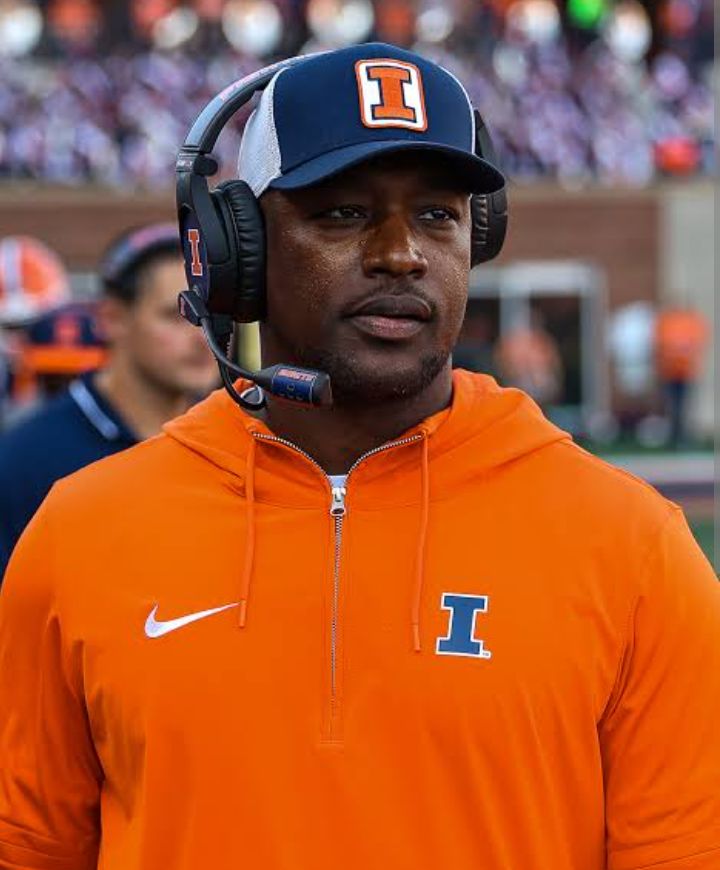
Speculation within the program suggests that this hire may accompany a philosophical shift. Reports indicate the new coordinator could install a “new scheme,” a statement that inherently casts doubt on a simple internal promotion. Changing systems requires a conductor intimately familiar with its nuances, often pointing toward an external candidate with a proven track record in that specific scheme. However, Bielema is a coach who values continuity, trust, and institutional knowledge, leaving the door slightly ajar for a qualified insider.
The Case for Continuity: Archie McDaniel
If Bielema opts to stay within the Henry & Weese Defensive Football complex, the most logical candidate is linebackers coach Archie McDaniel. At 40 years old, McDaniel represents a blend of experience and upward mobility. His 15-year collegiate coaching resume is impressively varied, encompassing tight ends, defensive line, and linebackers, and includes a three-year stint as co-defensive coordinator at Texas State. Since arriving in Champaign in 2023, McDaniel has demonstrably excelled, developing players like Dylan Rosiek and Gabe Jacas into formidable forces in the linebacker corps.
Promoting McDaniel would signal stability and reward performance. It would ensure schematic and terminology continuity for returning players, minimizing the learning curve. Furthermore, it would affirm Bielema’s confidence in his staff’s development pipeline. The primary counterargument is one of perception. After back-to-back internal hires at the coordinator position (Walters to Henry, then Henry’s full promotion), a restless fanbase and recruiting landscape may yearn for the jolt of energy and new ideas that a high-profile external name could provide. In a results-driven business, Bielema must weigh the value of trusted competence against the potential upside of a fresh perspective.
The External Vanguard: Experience and Proven Pedigree
The pool of external candidates features established names with significant coordinator or head coaching experience, each offering a different flavor of leadership.
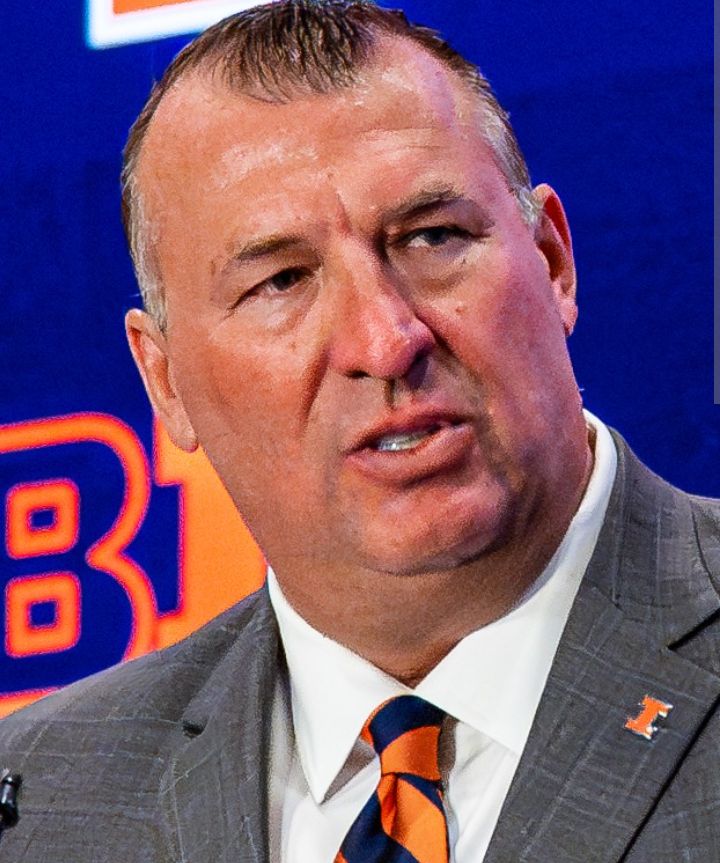
First among them is Justin Wilcox, the 49-year-old former head coach of the California Golden Bears. Wilcox’s appeal is multifaceted. His defensive coordinator resume is sterling, featuring successful stops at Boise State, Tennessee, Washington, USC, and Wisconsin, where he helped guide the Badgers to a Big Ten Championship game and a Cotton Bowl victory in 2016. His nine years as a head coach, despite a modest overall record at a challenging academic institution, provide invaluable leadership experience and a CEO’s perspective. For an Illinois program seeking stability and defensive rigor, Wilcox represents a safe, high-floor choice. His deep West Coast roots could also open valuable recruiting pipelines in a region where Illinois has traditionally had less presence.
A more intriguing, if less likely, option is Mark Stoops. The 58-year-old former Kentucky head coach boasts a 29-year collegiate coaching career and a deep, pre-existing connection to Bret Bielema, having been a graduate assistant at Iowa while Bielema played there. Stoops built his reputation as a defensive backs guru and successful coordinator at Arizona and Florida State before undertaking a massive rebuilding project at Kentucky. The question is not about fit—his defensive acumen and personal relationship with Bielema are impeccable—but about appetite. After 13 years as a head coach in the SEC, would Stoops be willing to return to a coordinator role? If so, he would instantly be one of the most credentialed assistant coaches in college football.
Then there is the veteran option, Pete Kwiatkowski. At 59, with 38 years in coaching, “PK” brings a wealth of knowledge from highly successful stops as coordinator at Boise State, Washington, and most recently, Texas. He is widely respected for developing NFL talent and crafting adaptable, tough defenses. His hiring would command immediate respect from players and rival recruiters alike. The consideration with Kwiatkowski is one of timeline and energy. After nearly four decades in the grind of college football, does he seek one more major challenge, or is he nearing the end of his career? Bielema would need assurance of a sustained, multi-year commitment.
The NFL Pipeline: Youth and Modern Scheme
Perhaps the most compelling narrative emerging from coaching circles ties directly to comments Bielema made in a February 4th press conference. He hinted at a scheme used “in the pros” and notably stated he could not name a coordinator until after the Super Bowl. These clues point squarely toward the National Football League and, more specifically, to two young coaches with direct ties to Bielema.
DeMarcus Covington, the 36-year-old defensive line coach for the Green Bay Packers, is a rising star. He previously worked with Bielema during the latter’s stint with the New England Patriots. Covington’s youth, NFL experience, and existing relationship with Bielema make him an attractive, high-upside candidate. He could bridge the gap between collegiate passion and professional sophistication, potentially offering a recruiting advantage with his NFL pedigree.
However, the name generating the most focused speculation is Kevin Richardson II. At just 32, Richardson’s profile aligns almost perfectly with Bielema’s hints. He is currently a defensive assistant for the New England Patriots. Crucially, his ties to Bielema and Illinois are profound: he played for Bielema at Arkansas, then served on the Illini staff as a graduate assistant (2021), defensive analyst (2023), and assistant defensive backs coach (2024). This unique blend—intimate knowledge of the Illinois program, a trusted relationship with the head coach, and recent experience in the NFL system Bielema alluded to—makes Richardson a formidable candidate. He represents the “young lion” Bielema could empower to modernize the defense while maintaining a core of trusted familiarity. His age could also be a significant asset in connecting with players and on the recruiting trail.
Conclusion: A Decision Defining an Era
Bret Bielema stands at a decision point that will define Illinois’ defensive future. Does he choose the steady hand of Archie McDaniel, affirming the program’s internal development? Does he pursue the established authority of a Wilcox, Stoops, or Kwiatkowski, betting on proven experience to restore elite performance? Or does he embrace the modern schematic trend and opt for a dynamic, NFL-influenced coach like Covington or Richardson?
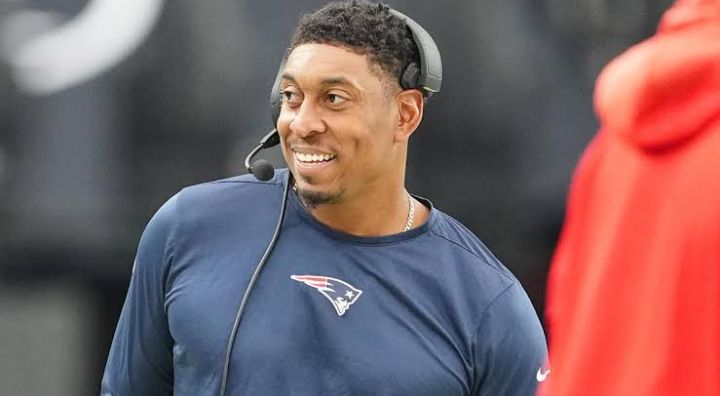
The tea leaves, based on Bielema’s own pointed comments, seem to tilt toward the final option. The emphasis on a pro-style scheme and the Super Bowl timeline create a strong circumstantial case for Kevin Richardson II. Such a choice would be a bold embrace of the new, leveraging Bielema’s NFL network and betting on a protégé’s growth. It is a gamble on potential and synergy over proven standalone experience.
Ultimately, this hire is more than just filling a coordinator’s office. It is about selecting the architect who will rebuild the foundation of Illinois football’s identity. Bielema’s choice will reveal his vision for the next chapter: whether it is one of evolution from within, authoritative restoration from outside, or a forward-looking transformation inspired by the professional game. The Illinois faithful await the answer, hoping it sparks the return of the feared defense that once made Champaign a daunting destination for every offense in the Big Ten.