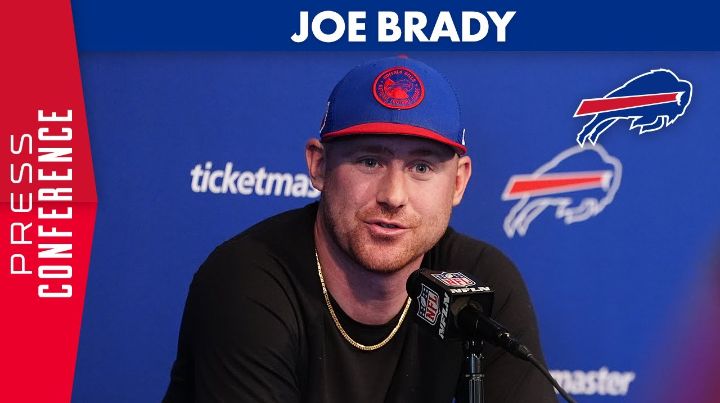
The winds of change are blowing fiercely through One Bills Drive. As the Buffalo Bills look ahead to the 2026 season, the franchise finds itself at the most significant crossroads of the Josh Allen era, navigating the turbulent aftermath of a foundational shift. The familiar, steadfast presence of Sean McDermott, who piloted the team for nine seasons, is gone, dismissed in the wake of yet another soul-crushing postseason exit—this time a defeat at the hands of a Denver Broncos team that had been absent from the playoff win column for a decade. In his place steps Joe Brady, the offensive coordinator whose schemes helped unlock Allen’s otherworldly talents, now tasked with the immense responsibility of steering the entire ship. His staff, a blend of fresh perspective and experienced hands, features Jim Leonhard leading the defense and Pete Carmichael Jr. directing the offense.
This new leadership inherits a roster still built around the transcendent talent of quarterback Josh Allen, but one that clearly requires recalibration, particularly on the defensive side of the ball. The pass rush, a persistent area of concern, sits near the top of the offseason priority list. The Bills’ search for a game-wrecking edge presence has led them down various speculative paths, but a recent, somewhat surprising name has entered the conversation: T.J. Watt of the Pittsburgh Steelers.

Watt’s potential availability is inextricably linked to the seismic changes in Pittsburgh, where the seemingly perpetual reign of head coach Mike Tomlin has concluded. Tomlin’s departure opens the door for a potential organizational reset, and with it, questions about the future of their highest-paid and most celebrated defensive star. While the idea of the Steelers trading a player of Watt’s caliber once seemed unfathomable, the new landscape makes it a topic of legitimate discussion within league circles.
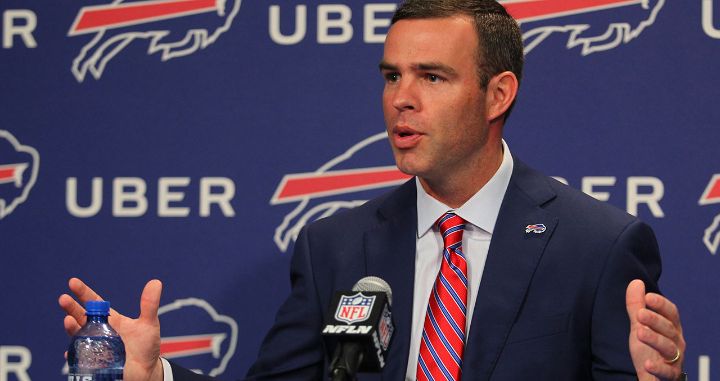
The critical question for any interested team, including Buffalo, becomes one of cost. What is the asking price for a former Defensive Player of the Year, a perennial All-Pro, even as he enters the latter stages of his prime? According to Pittsburgh Post-Gazette insider Ray Fittipaldo, the market value, as speculated on Pittsburgh’s 93.7 The Fan, might not be as prohibitively high as one would assume. Fittipaldo suggested the Steelers could likely fetch, at most, a second-round draft pick in exchange for Watt. This valuation reflects a complex calculus that the Bills’ front office, led by General Manager Brandon Beane, must meticulously work through.
On one side of the ledger is the undeniable pedigree and immediate impact T.J. Watt would bring. Even a diminished Watt is a formidable force. He is a master of the craft—a technician with explosive power, relentless effort, and an innate sense for forcing turnovers. His mere presence on the field commands constant attention from opposing offensive lines, creating opportunities for teammates. For a Bills defense seeking an identity under Leonhard, inserting a player of Watt’s stature and work ethic would be a transformative jolt. He is a culture-setter, a player whose practice habits and game-day intensity are legendary. In a locker room adjusting to a new head coach, that veteran leadership could be invaluable.
Furthermore, the acquisition cost of a second-round pick, while significant, is not stratospheric for a player of his resume. Beane has historically been aggressive in pursuing elite talent, understanding that a singular difference-maker can alter a championship equation. Watt represents the known commodity, the proven producer, in a draft where a second-round edge rusher carries inherent boom-or-bust risk.
However, the counterarguments are substantial and speak to the peril of such a transaction. The most glaring concern is the trajectory of Watt’s production. After a dominant 2023 campaign where he racked up 19 sacks, his output has declined to a combined 18.5 sacks over the subsequent two seasons. This dip coincides with the natural aging curve for a player who will turn 32 during the 2026 season and whose all-out, physical style of play has led to a history of injuries. The question is not whether Watt is still a good player—he certainly is—but whether he can recapture his Defensive Player of the Year form, or if his best days are conclusively behind him. Investing major capital, both in draft picks and salary, in a player on the decline is one of the most dangerous maneuvers in team building.

The financial commitment is the other anchor weighing down this potential deal. Watt carries a massive cap hit, one that would require serious fiscal gymnastics from Beane to absorb. The Bills are perpetually navigating cap constraints, and allocating such a large portion to an aging star would have cascading effects, potentially forcing the departure of younger, ascending talent or preventing the team from addressing other critical needs. In the modern NFL, allocating premium resources requires maximizing value, and the risk of Watt’s contract becoming an albatross is very real.
This leads to the alternative paths available to Buffalo. The trade market may offer younger, perhaps more sustainably impactful options. Names like Las Vegas Raiders’ star Maxx Crosby, who has publicly expressed frustration, or the Cincinnati Bengals’ Trey Hendrickson, have been floated as potential trade targets. Crosby, in particular, is younger than Watt and has been a model of durability and elite production in his own right. While his acquisition cost would undoubtedly be higher—likely multiple first-round picks—the long-term yield might justify the greater investment. Alternatively, the free agent market and the draft present avenues to find pass-rush help without sacrificing future assets or cap flexibility for a short-term fix.
For General Manager Brandon Beane and Head Coach Joe Brady, the decision on whether to pursue T.J. Watt encapsulates their philosophical approach to this new chapter. Is the goal to maximize a shrinking window with Josh Allen by adding a high-profile, win-now piece, even with attached risks? Or is it to build a more sustainable, youthful roster that can contend for years to come, even if it requires more patience?
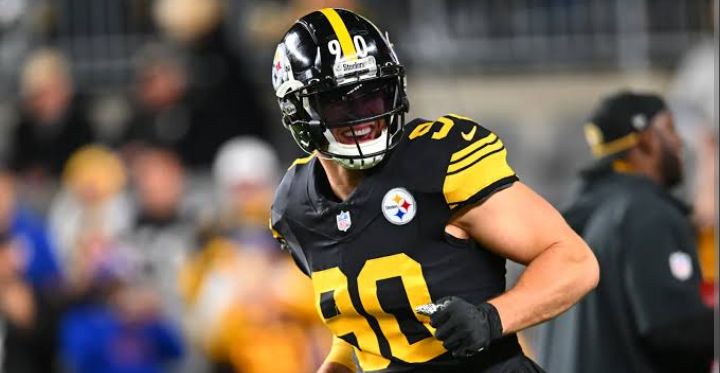
The reported asking price of a second-round pick makes the Watt scenario tantalizingly plausible. It is a bargain for a legend, but potentially a steep price for a past-prime veteran. The Bills’ evaluation must go beyond the name on the back of the jersey and delve into meticulous film study, medical assessments, and financial modeling. They must decide if the 2026 version of T.J. Watt is the final piece for a Super Bowl push or a costly homage to what he once was.
As the new regime in Buffalo settles in, this potential crossroads decision will reveal much about their vision. The pursuit, or lack thereof, of the Steelers’ iconic pass rusher will be one of the first major signals of whether this new era is about recapturing past glory through familiar stars, or forging a new path altogether.