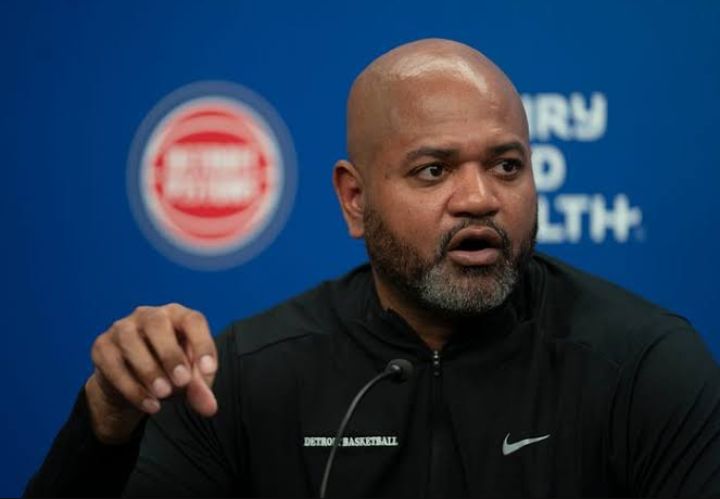
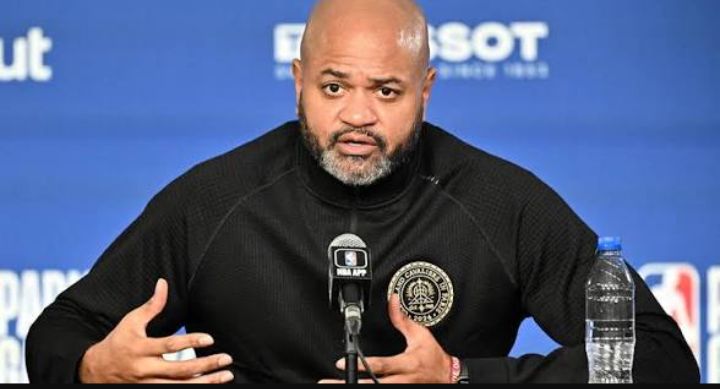
As the calendar turns to February, the Detroit Pistons find themselves in an enviable yet precarious position. Holding a commanding 5.5-game lead at the summit of the Eastern Conference, the young squad has surpassed all preseason expectations. However, the coming weeks represent the most formidable test of their legitimacy as title contenders. February presents a brutal gauntlet of opponents, a period that will demand resilience, focus, and adaptability—qualities that will be severely tested as the specter of the NBA’s trade deadline looms large, threatening to reshape the roster in the midst of this critical stretch.
The schedule ahead is not merely difficult; it is a meticulously constructed obstacle course designed to probe every potential weakness. The month commences with a high-profile rematch against the reigning champion Denver Nuggets. The Pistons narrowly defeated Denver on the road recently, but that victory came in the absence of the Nuggets’ linchpin, Nikola Jokić. His return transforms the contest into a true litmus test, offering a clear measure of how Detroit’s defense and composure stack up against the league’s elite, fully operational machinery. This opening salvo sets the tone for what follows: a relentless parade of conference rivals who are either surging in the standings or possessing the talent to ambush an overconfident leader.
The immediate challenge does not relent after Denver. While a matchup with the Washington Wizards might seem like a respite on paper, in the NBA, no game can be taken for granted, especially for a team wearing the target of a conference leader. The real beasts of the East lie in wait. The New York Knicks, a team many penciled in as Eastern Conference favorites before the season, have found their rhythm, reeling off six consecutive victories. Their physical, defensive-minded style poses a unique challenge, and the Pistons will face them twice this month. The first meeting comes peculiarly as the second night of a back-to-back—a scheduling quirk that has dogged Detroit in high-profile games this season, having previously faced Boston and New York under similar circumstances. This fatigue factor adds another layer of difficulty against a team hitting its stride.
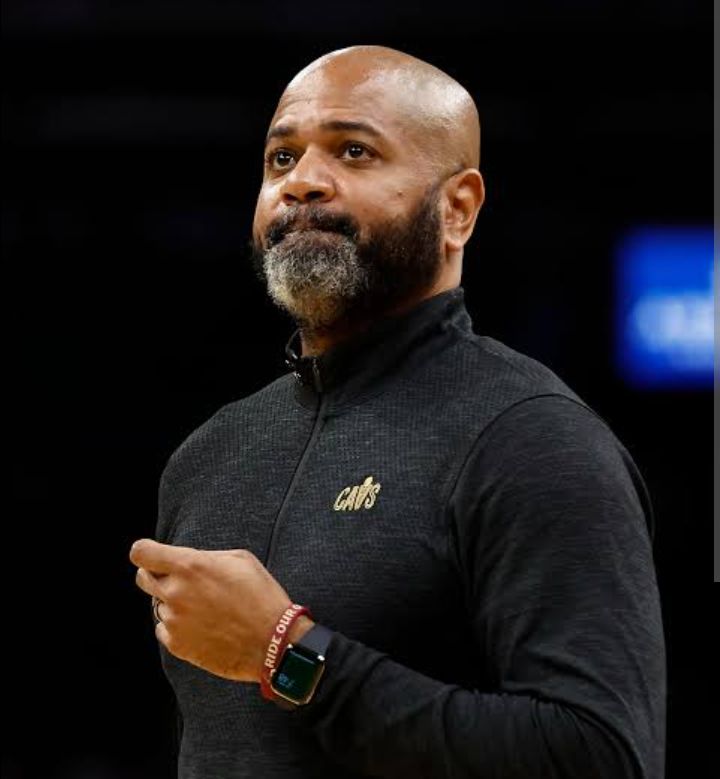
Similarly, the Charlotte Hornets, also riding a six-game winning streak, have evolved from a presumed easy victory into a dangerous, momentum-fueled opponent. Their capacity to get hot from the perimeter makes them a volatile and challenging matchup. Beyond these hot teams, the Pistons must contend with the entrenched hierarchy of the conference. The Toronto Raptors, securely in the fourth seed, bring their trademark length, defensive versatility, and playoff experience. The Cleveland Cavaliers, after a sluggish start, have quietly climbed to the fifth seed, rediscovering their defensive identity and presenting a formidable, physical challenge.
As if navigating the Eastern Conference elite were not enough, the schedule also forces cross-conference battles with the Western Conference’s best. The Oklahoma City Thunder, with their youthful athleticism and both offensive and defensive efficiency, and the San Antonio Spurs, the model of systematic execution, will provide starkly different but equally demanding tests. This month is, therefore, a comprehensive examination. It tests Detroit against elite talent (Denver, OKC, San Antonio), against conference rivals finding form (New York, Charlotte), and against the established, physical playoff teams (Toronto, Cleveland). How the Pistons emerge from this crucible will reveal much about their playoff readiness and championship mettle.
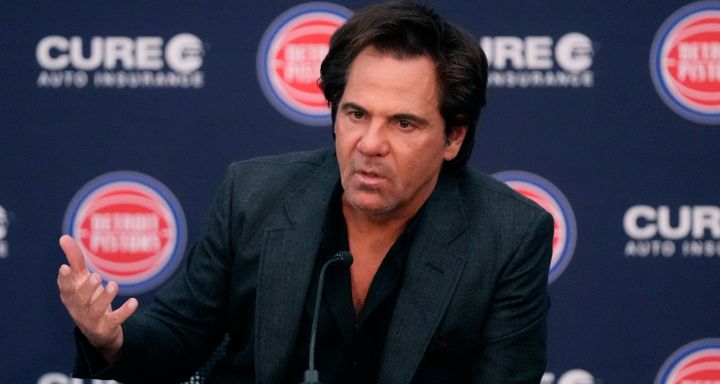
Compounding this on-court challenge is the omnipresent uncertainty of the NBA trade deadline. The annual period of speculation and potential upheaval casts a long shadow, and the Pistons are not immune to its drama. The front office, led by General Manager Troy Weaver, faces a complex calculus. Do they stand pat with the chemistry-rich roster that has propelled them to the league’s best record? Or do they leverage their assets and cap flexibility to pursue an upgrade, aiming to solidify their status as the team to beat?
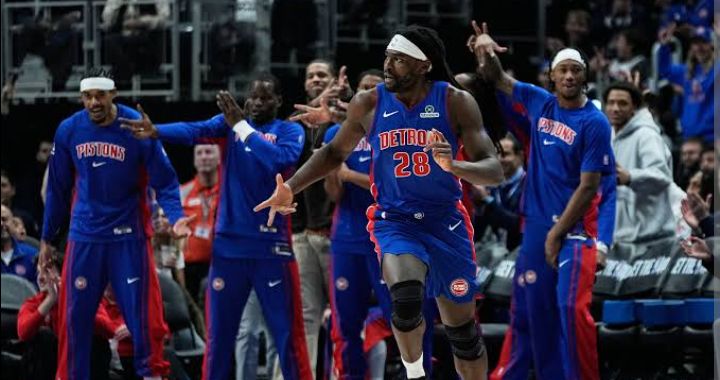
The rumor mill has predictably churned, with the Pistons frequently linked to high-profile names. The most persistent whispers involve Denver’s Michael Porter Jr., a player whose elite shooting and size would theoretically address Detroit’s occasional need for more consistent perimeter scoring. However, such a blockbuster move is fraught with complexity, involving matching large salaries and potentially disrupting a core that has demonstrated exceptional synergy. Many analysts believe a more likely path is a surgical, lower-impact move. The Pistons possess a valuable trade exception that could be used to acquire a role player—specifically a knockdown shooter—without subtracting from their core rotation. This type of “addition without subtraction” is often the hallmark of a contender fine-tuning its edges at the deadline.
This juxtaposition of a brutal schedule and trade deadline intrigue creates a fascinating narrative tension. Should the Pistons execute a significant trade, they would be tasked with integrating a new, potentially high-usage player into their system precisely as they enter this gauntlet. Chemistry, playbook assimilation, and role definition are processes that take time, and February offers no grace period. A game against the surging Knicks is a terrible laboratory for experimenting with new lineup combinations. Conversely, standing pat carries its own risk if a rival like Boston, Milwaukee, or New York makes a season-altering move. The front office must weigh the potential upgrade against the very real cost of mid-season disruption during a pivotal moment.
For the players, this period demands a unique form of mental fortitude. They must maintain laser focus on the immediate task—beating Denver, then Washington, then New York—while the world outside the locker room speculates about their job security and future teammates. Veterans like Cade Cunningham and Jalen Duren will be crucial in maintaining stability and ensuring the team’s culture remains insulated from external noise. Their leadership will be tested as much as their physical talents.
Ultimately, February 2026 may be remembered as the month that defined the Detroit Pistons’ season. The schedule is a gift and a curse. It is an opportunity to make a statement, to pile up wins against direct competitors and build an even more insurmountable lead in the standings. Victories in these high-profile games would send a resounding message to the rest of the league about Detroit’s arrival as a powerhouse. Conversely, a struggling month could raise doubts, shrink their cushion, and amplify pressure, potentially incentivizing a more desperate move at the deadline or shaking the team’s confidence.
The trade deadline adds a layer of strategic drama that intertwines with the on-court battle. The decisions made in the front office in the coming days will directly impact the group that takes the floor for these crucial games. Whether through a bold gamble or calculated patience, the Pistons’ identity for the playoff push will be cemented this month.
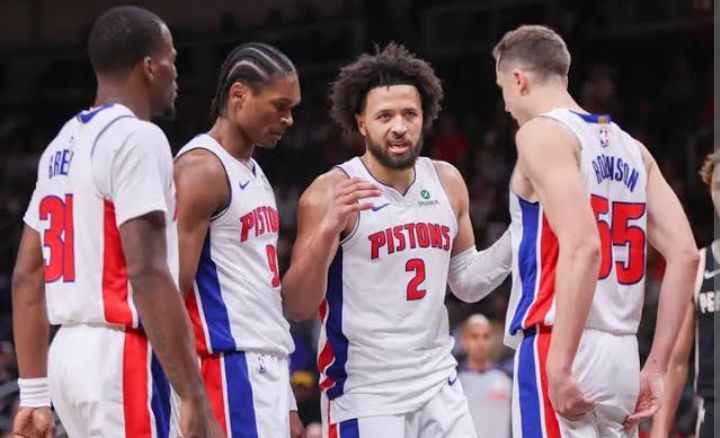
In conclusion, the Detroit Pistons stand at a crossroads. The path through February is fraught with elite competition and internal uncertainty. Their ability to navigate this dual challenge—to compartmentalize trade rumors, to integrate a new piece seamlessly if one arrives, and to summon their best basketball against the league’s best—will reveal the true character of this team. It is a test of depth, coaching, leadership, and organizational vision. The league is watching to see if the young Pistons are merely a regular-season phenomenon or legitimate championship contenders. Their answer will be written in the wins, losses, and decisions of the next four weeks. This is their proving ground.