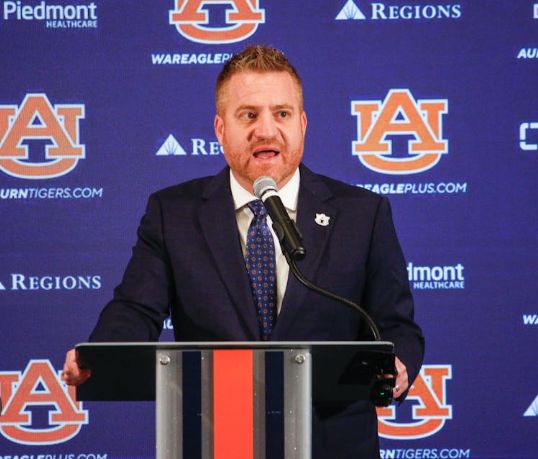
In the high-stakes, rapid-turnover world of modern college football, the transfer portal has become as crucial as any playbook. For new Auburn head coach Alex Golesh, it served as the primary tool for a comprehensive offensive overhaul. While every position group saw scrutiny and adjustment, none received a more significant infusion of proven talent than the running back room. This strategic decision, focusing on accumulating experienced production, offers a revealing case study in roster construction, cultural building, and the pragmatic philosophy Golesh is instilling on the Plains.
At first glance, the logic might seem counterintuitive. Auburn is not devoid of homegrown talent in the backfield. Jeremiah Cobb returns following a standout 2025 season where he rushed for 969 yards at an impressive 5.5 yards per carry, establishing himself as a clear offensive centerpiece. In a traditional setup, the focus might be on finding a complementary backup or a change-of-pace freshman. Golesh, however, chose a different path, adding not one, but three seasoned and productive running backs from the transfer portal. This move signals a departure from convention and underscores a core tenet of Golesh’s vision: immediate, reliable, and competitive depth is non-negotiable.
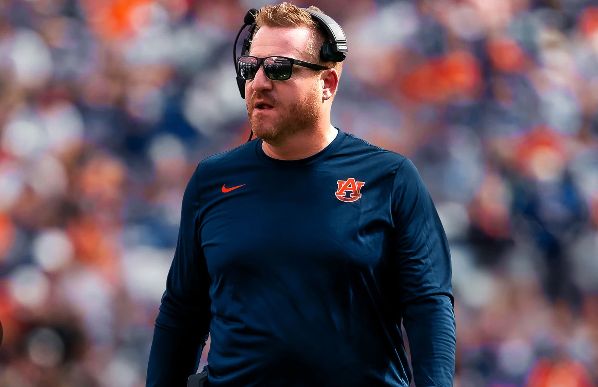
Speaking to reporters at Senior Bowl practices, Golesh provided the rationale behind this accumulation of backfield wealth. The explanation extends beyond mere statistics and touches on the very fabric of building a winning program. First and foremost is the brutal reality of the Southeastern Conference schedule. The SEC is a weekly physical gauntlet where the margin for error is razor-thin, and the punishment absorbed by a primary ball carrier is immense. Relying on a single workhorse, no matter how talented, is a recipe for attrition and offensive inconsistency. By bringing in multiple backs with proven track records, Golesh is creating a system built to withstand the season’s rigors. It ensures that the offensive identity—which, given Golesh’s history, will heavily feature the run game—remains intact regardless of who is in the backfield on any given Saturday.
Furthermore, this strategy is a direct investment in quality control and performance stability. Transfer portal running backs with significant collegiate carries arrive with more than just highlight reels; they bring a known level of play. Coaches have extensive film on them against collegiate competition, understanding their pass-protection abilities, ball security, and how they handle between-the-tackles physicality. This reduces developmental guesswork and accelerates their integration into the offensive scheme. These players are not projects; they are plug-and-play contributors who understand the demands of college football. In a critical first year for a new coaching staff, minimizing uncertainty at a high-impact position is a calculated and wise move.
The philosophy also speaks to fostering an environment of internal competition, which Golesh has highlighted as “absolutely priceless” when discussing other transfers. A crowded, talented position room eliminates complacency. Jeremiah Cobb, despite his stellar previous season, cannot afford to rest on his laurels. The new arrivals, each with their own accolades and ambitions, will push him daily in practice. This competition raises the performance ceiling for every individual in the room. Practices become more intense, preparation more detailed, and the standard of execution elevates. When players know their spot is genuinely contested by capable peers, it sharpens focus and drives improvement across the board. This creates a self-sustaining cycle of excellence that benefits the entire offense.
Moreover, Golesh’s approach provides invaluable tactical flexibility. Different running backs offer different skill sets. One transfer might be a powerful, short-yardage specialist. Another could excel as a receiving threat out of the backfield or on perimeter runs. A third might possess elite breakaway speed. By curating a diverse portfolio of talents, the offensive coaching staff can tailor its game plan to exploit specific defensive weaknesses without signaling its intentions based on personnel. Substitutions become strategic tools rather than necessary rotations. This multiplicity of looks keeps defenses off-balance and makes Auburn’s offense less predictable and more dynamic.
There is also a crucial cultural component to this strategy. Bringing in experienced players, especially from other programs, injects the locker room with new voices and perspectives. These transfers have often faced adversity, navigated different coaching styles, and learned what it takes to succeed (or fail) at the collegiate level. Their maturity and varied experiences can be stabilizing for a team under new leadership. They can help establish the work ethic and professionalism Golesh demands, acting as extensions of the coaching staff in reinforcing the desired culture. This is particularly potent when combined with retained veterans like Cobb, creating a blend of continuity and fresh energy.
From a pure roster management perspective, this move also hedges against the volatility of the modern era. The transfer portal is a two-way street. While Auburn gained talent, the potential for unexpected departures always exists. By establishing significant depth before any potential exodus, Golesh ensures the program is not caught in a reactive, desperate position. It’s a proactive measure that controls the narrative of the offseason, projecting strength and stability. It sends a message to the entire college football landscape: Auburn is a destination for serious competitors, and its roster will be built to compete at the highest level immediately.
Critics might argue that this logjam could lead to discontent and transfers out, as carries are divided. However, this perspective underestimates the modern player’s understanding of the professional pathway and the value of a winning environment. Smart players recognize that sharing the load can prolong careers, keep them fresh for critical moments, and showcase their skills in a variety of situations. More importantly, they are attracted to the prospect of winning championships. Golesh’s strategy is fundamentally about building a team capable of competing for an SEC title, and elite players often prioritize that collective goal over individual stat lines, especially when their preparation for the next level is enhanced by competing in a deep, professional-style room.
In essence, Alex Golesh’s decision to stockpile experienced running back talent is a multifaceted masterstroke in contemporary program building. It is not a slight against Jeremiah Cobb, but rather the construction of a fortress around him. It addresses the physical demands of the SEC, mitigates risk, elevates practice competition, provides strategic versatility, accelerates cultural development, and projects programmatic ambition. This is not merely about acquiring players; it is about engineering an ecosystem where the run game can thrive as a relentless, durable, and multifaceted engine of the offense.
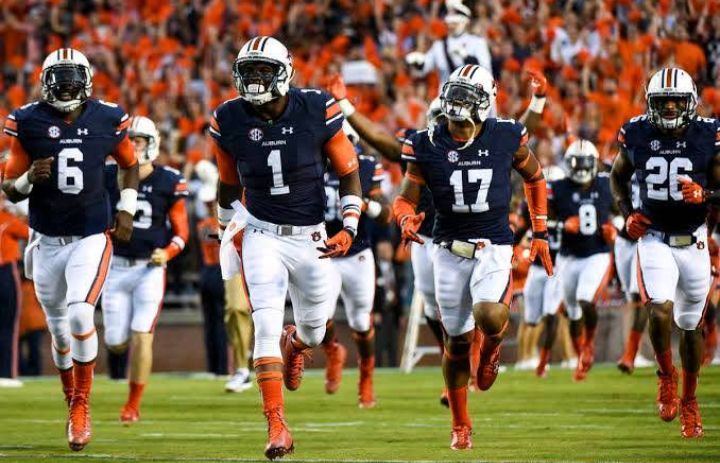
As the 2026 season approaches, Auburn’s backfield will be one of the most watched units in the country. The combination of Cobb’s homegrown brilliance and the influx of proven portal production embodies the new era of college football roster construction. Alex Golesh has not just added running backs; he has invested in certainty, competition, and depth. In doing so, he has laid a physical and philosophical foundation for the Auburn offense, signaling that the Tigers’ path back to prominence will be paved by a powerful, persistent, and profoundly deep running game.