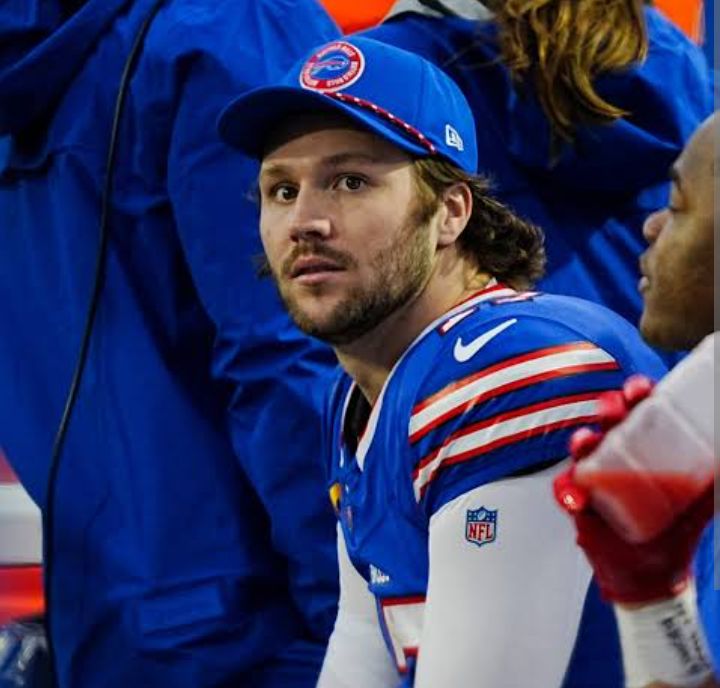
In a pivotal offseason for the Buffalo Bills, the franchise’s cornerstone, quarterback Josh Allen, revealed he recently underwent surgery to repair a broken bone in his right foot. The injury, identified as a fracture of the fifth metatarsal, occurred during the second quarter of a December 21st victory over the Cleveland Browns. Demonstrating his trademark toughness, Allen not only finished that contest but also played through the injury for the remainder of the regular season and the Bills’ playoff run, which concluded with an overtime loss in the divisional round two weeks prior to his announcement.
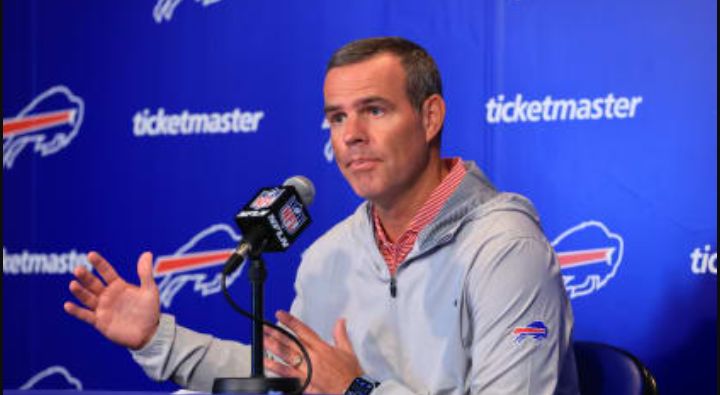
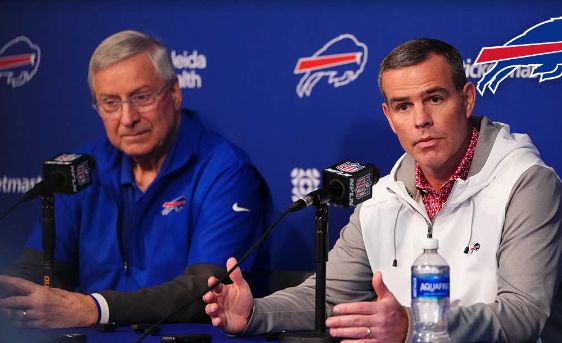
Allen, speaking to reporters while on crutches and wearing a protective boot, expressed confidence in his recovery timeline, stating he expects to be “fully healthy” for the start of the team’s spring practices. He downplayed the severity of the immediate situation, noting, “I would have been able to play if we had a game this week.” The procedure had been anticipated; General Manager Brandon Beane had publicly addressed the possibility of surgery in the days following the season’s end, framing it as a proactive step to ensure the quarterback’s long-term health.
This medical update coincides with a period of significant transition for the Bills organization. Allen’s announcement came shortly after he attended the introductory press conference for the team’s new head coach, Joe Brady. Brady, who served as the Bills’ offensive coordinator for the past two-plus seasons, was promoted to the top job following the dismissal of long-tenured head coach Sean McDermott after nine years. The coaching change marks a critical juncture for a team built around Allen’s unique talents, aiming to convert perennial playoff appearances into a Super Bowl championship.
Allen was not a passive observer in this pivotal decision. He played an integral role in the franchise’s six-day search process, sitting in on interviews as the team evaluated nine candidates. His involvement underscores his status as the central figure of the franchise, whose synergy with the offensive philosophy and head coach is paramount to the team’s success. The promotion of Brady suggests a desire for continuity within the offensive system, a system that has helped Allen become one of the league’s most dynamic players. The transition from McDermott to Brady represents a shift in leadership style and defensive oversight, but is designed to maintain stability and progression for the offense led by a recovering Allen.
The nature of Allen’s injury—a fifth metatarsal fracture—is a common yet notable foot injury in athletics. The metatarsals are the long bones in the foot connecting the ankle to the toes. The fifth metatarsal, located on the outer edge of the foot, is particularly susceptible to stress fractures and acute breaks due to the forces applied during cutting, pushing off, and sudden directional changes—actions inherent to a mobile quarterback’s playing style. Recovery from such surgeries typically involves a period of non-weight-bearing, followed by rehabilitation to restore strength, flexibility, and proprioception. Allen’s prognosis for a full recovery by spring activities aligns with standard timelines for professional athletes undergoing similar procedures, assuming no complications arise.
This injury, and Allen’s decision to play through it, adds another layer to his evolving legacy. Since being drafted in 2018, Allen has transformed from a raw prospect with formidable physical tools into an elite NFL MVP candidate, known as much for his powerful arm as for his punishing and sometimes reckless running style. His physicality is a double-edged sword; it makes him uniquely difficult to defend but also exposes him to a higher degree of physical risk. The foot injury is the latest in a series of ailments he has played through, cementing his reputation for durability and grit within the locker room and fanbase. However, it also inevitably prompts discussions about risk management and whether the team might seek to curtail some of his designed runs to preserve his health over the long term, especially as he enters the prime of his career.
The timing of this surgery is, in many ways, fortuitous for the Bills. The NFL offseason provides a natural window for recovery, allowing Allen to undergo the procedure and complete the most restrictive phase of rehabilitation without missing any competitive team activities. His target return for spring practices, which include Organized Team Activities (OTAs) and mandatory minicamp, is crucial. These sessions are less about physical contact and more about installing offensive schemes, building timing with receivers, and developing chemistry under the new leadership of Coach Brady. Allen’s presence and full participation in these cerebral and technical workouts are arguably as important as his physical readiness for training camp.
For Joe Brady, beginning his tenure as head coach with his star quarterback on the mend presents an immediate but manageable challenge. His familiarity with Allen and the offensive personnel is a significant advantage, allowing for a seamless transition in play-calling and strategy. The early part of the offseason program can focus on reinforcing core concepts, deepening the understanding of the system among all players, and perhaps exploring new wrinkles that leverage Allen’s skill set, all while monitoring his rehabilitation progress. The situation demands clear communication between the medical staff, coaching staff, and Allen to ensure the recovery stays on track without rushing, balancing urgency with caution.
From a roster construction perspective, Allen’s surgery does not immediately alter General Manager Brandon Beane’s offseason strategy, as the expectation is for a full recovery. The Bills, like many teams, face salary cap constraints and must make strategic decisions to maintain a competitive roster. The core of their ambitions, however, remains unchanged: building a team capable of supporting Allen and making a deep postseason run. His health is the single greatest variable in that equation, making his successful rehabilitation the organization’s top priority this spring.
In the broader context of the AFC, the Bills remain contenders, but the landscape is fiercely competitive. Allen’s ability to return to 100% is pivotal not just for Buffalo’s divisional hopes in the AFC East, but for their standing in a conference featuring other elite quarterbacks like Patrick Mahomes, Joe Burrow, and Lamar Jackson. Any diminishment of Allen’s mobility or playmaking ability could have cascading effects on the offense’s effectiveness. Therefore, the careful management of his return is of strategic importance to the entire franchise.
In summary, Josh Allen’s foot surgery is a significant but expected postscript to the Bills’ 2025 season. It highlights his resilience and the physical toll of his playing style, while simultaneously occurring amidst a major organizational shift with the promotion of Joe Brady. The procedure initiates a critical rehabilitation period that will be closely monitored throughout the offseason. For Allen, the goal is a return to full capacity for the 2026 campaign. For the Buffalo Bills, ensuring that outcome is the first and most important step in a new chapter, one they hope will be defined by continuity on offense, renewed energy under a new head coach, and ultimately, the championship success that has thus far remained elusive. The convergence of Allen’s recovery and Brady’s inaugural season as head coach sets the stage for a defining offseason in Buffalo.