The Buffalo Bills enter a pivotal 2026 offseason tasked with rebuilding a defensive coaching staff that has been plucked for its talent. After the departure of defensive coordinator Bobby Babich to the Green Bay Packers, the search for his successor is underway, with a clear, top-tier name emerging: Jim Schwartz. A reunion with the architect of the formidable 2014 Bills defense seems like a perfect match on paper, but the path to hiring him is fraught with contractual complexity and competitive intrigue, making it the franchise’s most significant and challenging personnel puzzle of the winter.
The Allure of a Schwartz Reunion
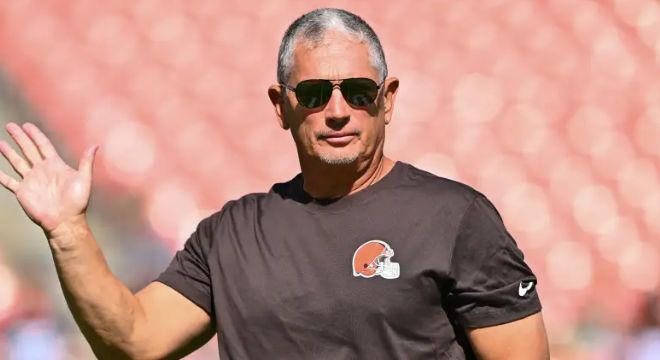
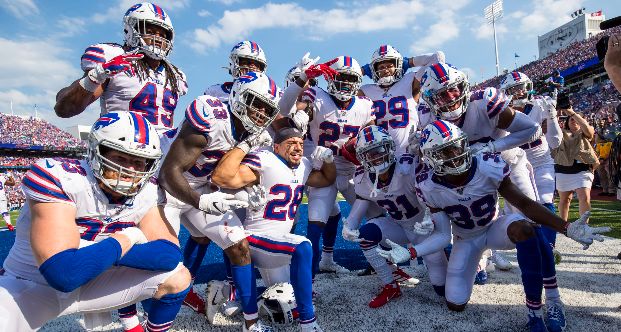
Jim Schwartz’s single season in Buffalo left an indelible mark. In 2014, under his aggressive, wide-nine front philosophy, the Bills’ defense was a relentless force, leading the league with 54 sacks. Players like Mario Williams, Marcell Dareus, and Jerry Hughes thrived in his system, which prioritized generating pressure with the front four and playing opportunistic, physical coverage behind it. For a Bills franchise that has spent years and considerable draft capital—from Gregory Rousseau to Von Miller—trying to recapture that consistent, game-wrecking pass rush, Schwartz represents a proven blueprint.
Furthermore, Schwartz brings a wealth of experience beyond that one successful season. His tenure as head coach of the Detroit Lions, while rocky, provided him with a holistic view of team building and in-game management. His subsequent work as a defensive coordinator for the Philadelphia Eagles (culminating in a Super Bowl LII victory) and, most recently, the Cleveland Browns, has solidified his reputation as one of the league’s premier defensive minds. In Cleveland, despite overall team struggles, he crafted a unit spearheaded by Defensive Player of the Year Myles Garrett, who broke the NFL’s single-season sack record under his guidance. Schwartz’s ability to maximize elite talent and install a simple, attacking scheme is precisely what the Bills’ defense, which seemed to lose its identity at critical moments last season, appears to need.
The Formidable Roadblock: Cleveland’s Contractual Leverage
The primary obstacle between Schwartz and Buffalo is not a lack of mutual interest, but the cold, hard reality of an NFL contract. Despite reports from insiders like Tom Pelissero of NFL Network that Schwartz was “visibly upset” and told colleagues he was “not coming back” after being passed over for the Browns’ head coaching job in favor of offensive coordinator Todd Monken, his professional fate is not his own to decide. He remains under contract with the Cleveland Browns, and the organization has every right to enforce it.
This creates a multi-layered challenge for the Bills. First, they must wait for the Browns to grant Schwartz permission to interview for a lateral move—a defensive coordinator position for another team. NFL teams are rarely inclined to do favors for competitors, especially for a coach of Schwartz’s caliber. Letting him walk strengthens a potential AFC rival while weakening their own staff. Second, even if an interview is granted, the Bills cannot simply hire him. They would need the Browns to officially release him from his contract, which would likely require compensation, such as a draft pick swap. This scenario is not unprecedented, but it turns a coaching hire into a transactional negotiation between front offices.
The Browns’ motivations are clear. Schwartz transformed their defense into a respected unit; allowing him to leave creates a major void and signals instability. Retaining him, even if he is initially displeased, maintains institutional knowledge and defensive continuity for the new head coach, Monken. They hold all the leverage. The Bills’ pursuit, therefore, becomes a game of persuasion and patience, hoping either that Schwartz’s discontent forces Cleveland’s hand, or that Monken prefers to install his own defensive staff, making Schwartz expendable.
The Contingency Plan: The Rise of Jim Leonhard
With the Schwartz situation entangled in uncertainty, the Bills’ front office, led by General Manager Brandon Beane and Head Coach Sean Brady, must explore credible alternatives. The most prominent name on that list is another figure with Buffalo ties: Jim Leonhard.
Leonhard’s journey is a testament to football intellect. An undrafted free agent who carved out a ten-year NFL career as a safety through sheer film study and understanding of scheme, he spent two seasons (2014-2015) with the Bills during the playoff drought era. His transition to coaching has been meteoric. After rising to become the highly successful defensive coordinator at the University of Wisconsin, where his innovative and adaptive schemes made the Badgers a perennial top-10 defense, he jumped to the NFL last season as the defensive passing game coordinator for the Denver Broncos. His impact was immediate, helping to revitalize a secondary and drawing league-wide attention. The Los Angeles Chargers have already requested an interview with him for their defensive coordinator vacancy, confirming his status as a hot commodity.
Leonhard represents a different, but potentially exciting, direction. He is a modern defensive thinker, known for his complex coverage disguises and ability to tailor game plans to specific opponents. While he lacks Schwartz’s lengthy NFL coordinator resume, he offers a contemporary schematic approach and a connection to the college game that could be attractive in developing younger players. Hiring Leonhard would be a bet on the next generation of defensive coaching, a move that carries more risk than hiring the established Schwartz, but with a potentially high reward.
Strategic Implications for the Bills’ Future
The choice between these two paths carries significant weight for the Bills’ immediate future. A successful hire is crucial for a team whose championship window, centered on quarterback Josh Allen, remains open but is feeling increased pressure.
Opting for the aggressive pursuit of Schwartz is a “win-now” move. It signals an intent to immediately fortify the defense with a veteran, no-nonsense system designed to unleash the pass rush and simplify assignments for the linebackers and secondary. It would be a move welcomed by veterans and would place immediate expectations on the defensive line to perform. However, it comes with the cost of potential draft capital and the gamble that Schwartz’s system, while proven, might need specific personnel to flourish as it did in 2014 or Cleveland.
Turning to Leonhard, should the Schwartz pursuit fail, is a move that blends present competitiveness with future development. His schematic flexibility could maximize a diverse roster, and his background suggests a particular acumen for developing defensive backs—an area the Bills may need to address. It would be a forward-thinking hire, aligning with a younger head coach in Sean Brady. The risk lies in his NFL inexperience at the full coordinator level; the jump from college coordinator to NFL play-caller is significant, and the AFC is laden with elite offensive minds ready to test a newcomer.
Conclusion: A Waiting Game with High Stakes
Ultimately, the Bills find themselves in a delicate holding pattern. Their desire to land Jim Schwartz is evident, driven by past success, present need, and his proven track record of constructing dominant defensive fronts. Yet, their ambitions are held hostage by the Cleveland Browns’ front office, which controls the chessboard.
This saga will test the diplomatic and strategic skills of Brandon Beane. He must balance persistent behind-the-scenes lobbying with the pragmatic development of a Plan B, all while the broader coaching carousel spins and other teams, like the Chargers with Leonhard, act. The decision will reveal much about the Bills’ self-assessment: whether they believe they are one proven defensive system away from a title, or if they are prepared to evolve with a newer schematic vision.
The challenge of landing their top defensive coordinator candidate is more than a mere staffing issue; it is a microcosm of the NFL’s competitive ecosystem, where contracts, relationships, and timing intersect to shape a team’s destiny. The resolution will define the character and capability of the 2026 Buffalo Bills defense before a single player even takes the field.