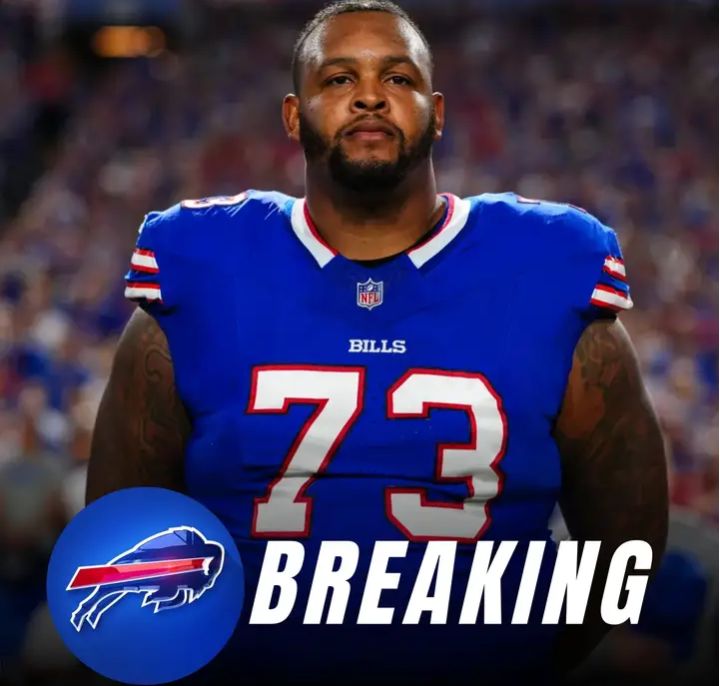
In a move that signals a decisive pivot in organizational philosophy, the Buffalo Bills have ushered in a new era by appointing 36-year-old offensive coordinator Joe Brady as their head coach. This internal promotion, confirmed on January 27, 2026, comes on the heels of the franchise’s decision to part ways with long-time coach Sean McDermott following yet another postseason disappointment—a Divisional Round loss to the Denver Broncos. The hiring of Brady, one of the youngest head coaches in the NFL, represents a bold gamble by owner Terry Pegula. It is a bet that continuity on offense and a fresh, innovative voice at the helm are the final pieces required to shatter the team’s championship ceiling and deliver the Lombardi Trophy to a perpetually hopeful, yet heartbroken, Bills Mafia.
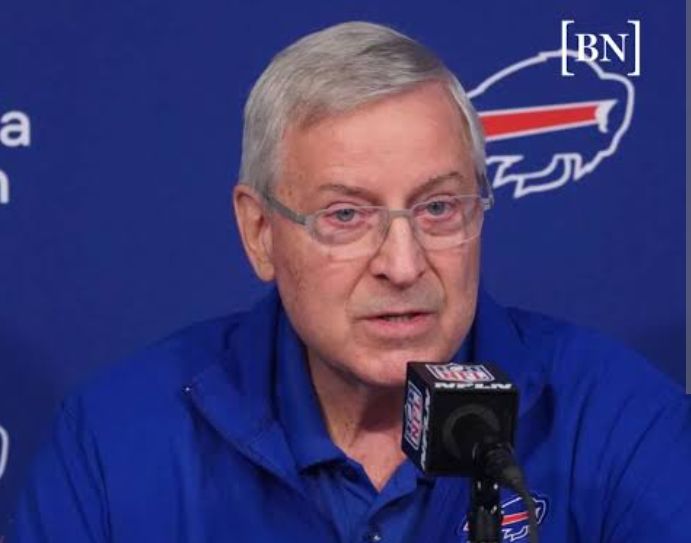
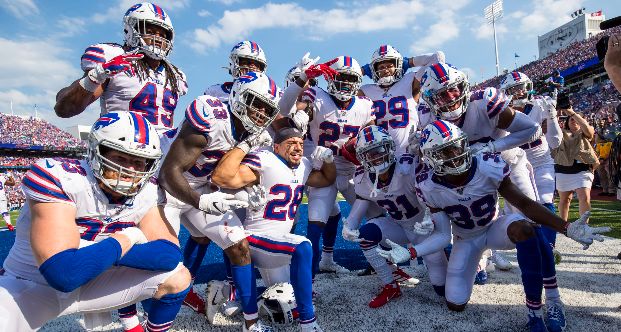
The decision concludes a nine-year chapter under Sean McDermott, a tenure defined by remarkable consistency and equally remarkable frustration. McDermott successfully transformed the Bills from a perennial also-ran into an AFC powerhouse, a model of regular-season resilience. However, the defining narrative of his reign became one of playoff stagnation: four consecutive exits at the Divisional Round, a jarring pattern of falling just short of the conference’s final stage. For an organization and a fanbase whose collective memory is haunted by the ghosts of “Wide Right” and a generations-long championship drought, regular-season success was no longer sufficient. The mandate became unequivocal: win now, and win big, while franchise quarterback Josh Allen remains in his prime. Pegula’s statement citing the need for “a new structure” to achieve that ultimate goal made McDermott’s departure, however harsh, an inevitability.
In turning to Joe Brady, the Bills have opted for familiarity and offensive synergy over an external splash hire. Brady’s ascent within the organization has been rapid. Hired as the quarterbacks coach in 2023, he was elevated to offensive coordinator and immediately left his imprint on the team’s identity. His philosophy—rooted in creativity, aggressive passing, pre-snap motion, and simplified reads—appeared tailor-made for Allen’s unique blend of brute-force athleticism and cannon-arm talent. The 2025 season served as a compelling audition. Despite some inconsistencies, the Bills’ offense, under Brady’s guidance, finished ranked in the top five in total yards per game. More importantly, he earned widespread praise for streamlining the system to highlight Allen’s strengths, incorporating more play-action and strategic motion to create clearer pictures and easier throws. This recalibration seemed to re-energize the MVP-caliber quarterback, making the case for continuity a powerful one in the eyes of the front office.
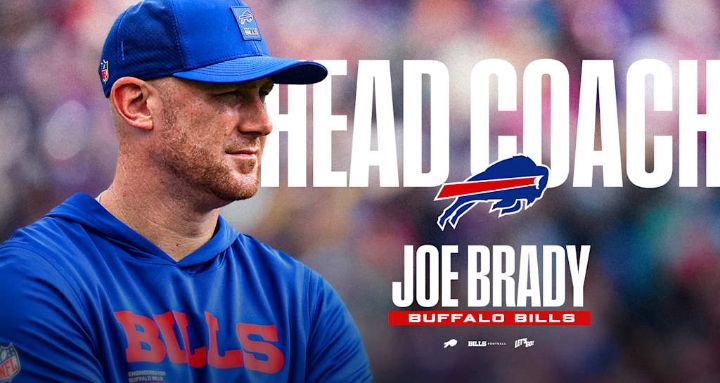
Brady’s coaching pedigree, while brief in terms of years, carries a legendary footnote. His national breakout came as the passing game coordinator for the 2019 LSU Tigers, orchestrating one of the most devastating offenses in college football history. That unit, led by Heisman winner Joe Burrow, revolutionized schematic thinking and propelled LSU to a national championship. This success earned him the offensive coordinator job with the Carolina Panthers, a stint that was less successful and ended mid-season in 2021, followed by an interim OC role with the New Orleans Saints in 2022. These experiences, particularly the challenges in Carolina, provide a nuanced backdrop to his hiring. Critics point to that period as evidence of potential growing pains, while supporters argue it provided invaluable lessons that he has since applied successfully in Buffalo. His journey reflects the modern NFL’s appetite for offensive wunderkinds, placing him in a cohort with coaches like Sean McVay, who also earned top jobs in their mid-thirties by demonstrating schematic genius.
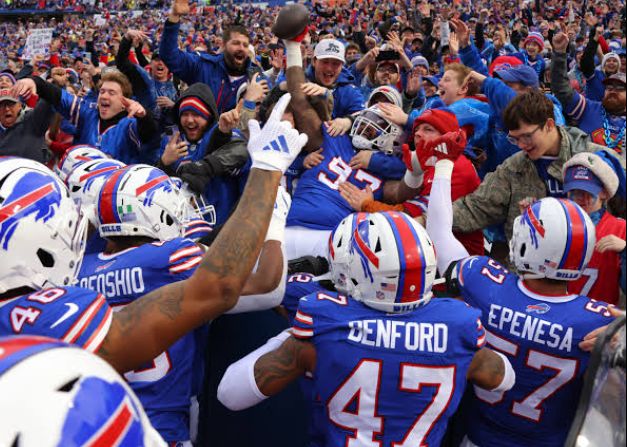
The immediate aftermath of the announcement laid bare the fractured emotions of the Bills’ passionate fanbase. On social media platforms, reactions ranged from optimistic endorsement to visceral disappointment. One segment of fans celebrated the “HUGEEE PROMO,” viewing Brady as the offensive mastermind who can finally unlock Josh Allen’s full, championship-winning potential. They argue that maintaining schematic consistency for Allen is paramount and that Brady’s aggressive approach is exactly what is needed to overcome playoff hurdles.
Conversely, a loud contingent expressed dismay, viewing the move as a puzzling downgrade. Comments like “What a joke. Fire one of the best head coaches and hire this scrub?” and “The worst possible choice…” captured a sense of betrayal. To these fans, McDermott was the architect of the team’s culture and defensive identity, a proven leader whose regular-season record commanded respect. Replacing him with a coordinator whose own head coaching resume is unproven—and whose previous stint as an OC outside of Buffalo was rocky—felt like an unnecessary and risky step backward. The sentiment “Should have waited for Klint [Kubiak]” underscored a desire for a more experienced or external candidate. This division highlights the immense pressure and sky-high expectations surrounding the franchise: anything short of a Super Bowl is viewed as a failure, and every decision is scrutinized through that unforgiving lens.
For the Bills’ organization, the practical implications of the Brady hire are immediate and multifaceted. His first and most critical task will be assembling a coaching staff. A key decision looms over the fate of defensive coordinator Bobby Babich, who oversaw a strong unit. Retaining Babich or appointing a similarly robust defensive leader is essential to prevent a total schematic overhaul and maintain balance. The Bills cannot afford for Brady’s offensive gains to be offset by a defensive regression, which was a hallmark of McDermott’s tenure.
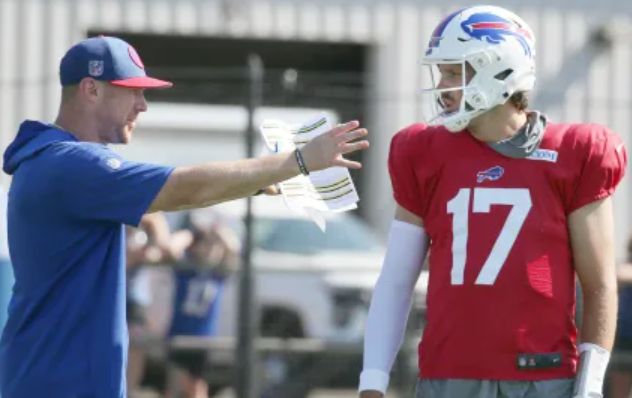
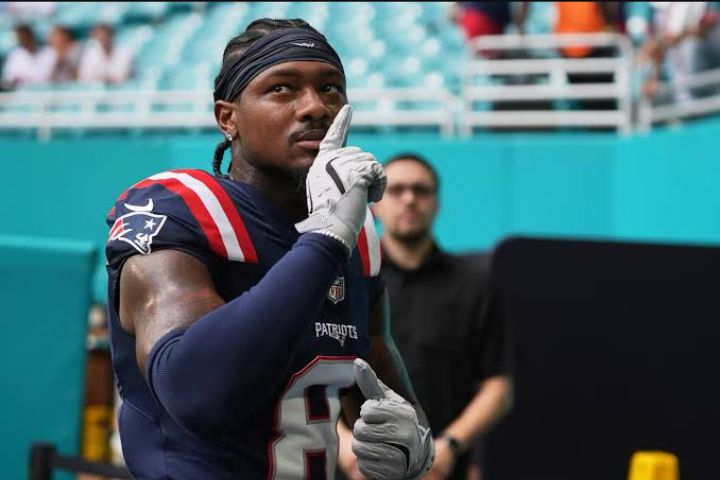
The roster construction will also now operate under Brady’s vision. Offensive needs, such as bolstering the wide receiver corps beyond Stefon Diggs (who is aging) and fortifying the offensive line, will likely be prioritized. The team must navigate free agency and the draft with a clear plan to provide Allen with the weapons and protection to execute Brady’s pass-heavy system at an elite level. Defensively, the team must address any departing talent to ensure the unit remains a strength, not a liability.
Ultimately, the hiring of Joe Brady is a profound statement of faith—faith in Josh Allen’s prime, faith in offensive innovation as the key to modern championship football, and faith in a young coach’s ability to learn from past stumbles. It is a clean break from the defensive-minded, disciplined identity of the McDermott era, swinging the franchise’s pendulum decisively toward explosive, high-octane production. The move carries inherent risk; the leap from coordinator to successful head coach is vast, encompassing game management, locker-room leadership, and overarching program philosophy beyond just one side of the ball.
The 2026 season will thus be a referendum on Terry Pegula’s bold pivot. If Brady succeeds, if he elevates Allen to a Super Bowl victory, he will be hailed as the visionary who finally solved the puzzle. If he stumbles, the decision will be lambasted as a catastrophic misstep that wasted a precious year of a championship window. For the eternally loyal and emotionally invested Bills Mafia, this hire transforms cautious optimism into a state of heightened anticipation. The message from ownership is clear: the past approach reached its limit. The future is now entrusted to the hands of a 36-year-old offensive savant, with the hopes of a long-suffering region riding on his ability to translate regular-season fireworks into postseason glory. The pressure is immense, the stakes could not be higher, and the journey of the Joe Brady era in Buffalo begins under the brightest of spotlights.